
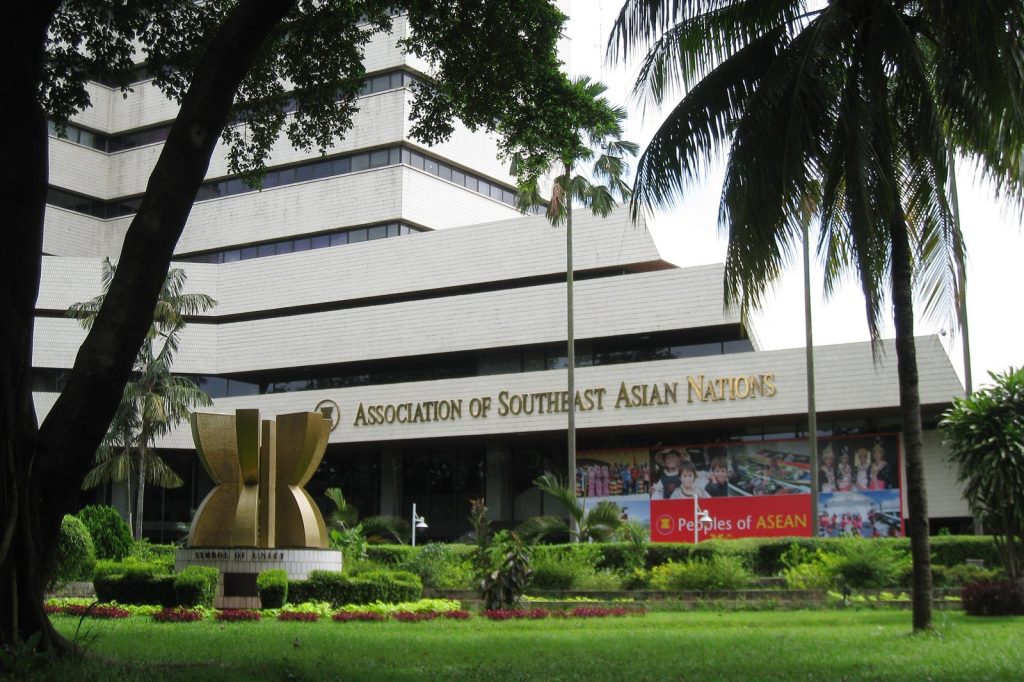
After two days of closed‑door negotiations, Kuala Lumpur is concluding the opening leg of the 46th ASEAN Summit, which began on 26 May and ends today, 27 May. The short, intense session marks the first of two meetings the bloc will hold in 2025, with the next summit scheduled for 26‑28 October. The agenda and any joint statements from the May talks have not been released, a silence that mirrors ASEAN’s customary approach: broad agreement on overarching principles while leaving contentious implementation details unresolved.
What transpires in these two days will set the tone for the October gathering, which will either build on any concrete accords reached now or start anew if the discussions yield only vague consensus. Regional challenges remain pressing regardless of summit schedules.
Ongoing maritime disputes in the South China Sea, the protracted civil war in Myanmar—where the military junta remains excluded from high‑level ASEAN dialogue—and the delicate balance of trade ties with both the United States and China continue to test the unity of the ten member states. Malaysia, hosting ASEAN for the fifth time, shoulders the responsibility of keeping all members at the table. While the nation is familiar with the diplomatic choreography required, past experience does not guarantee decisive outcomes.
If the May summit produces agreements on issues such as cross‑border digital payments, energy cooperation, or coordinated responses to climate‑driven disasters, the October summit can focus on implementation. Absent such results, the later meeting will need to address the same topics from scratch.
The decision to hold two summits in one year is intentional. By convening foreign ministers and heads of state twice, ASEAN aims to maintain continuous dialogue, avoid the drift that can occur with a year‑long gap, and impose a clear deadline for any unfinished business from May to be settled by October. For Malaysia, the political calculus is straightforward.
Successfully hosting the summit projects an image of stability and diplomatic competence, signaling to investors and trading partners that the country can manage high‑level regional affairs alongside its domestic agenda. The government hopes that the visibility generated by press conferences and photo opportunities will translate into tangible economic benefits, including trade deals, infrastructure partnerships, and a rebound in tourism.
For the ASEAN bloc as a whole, the outcome of the 46th summit will serve as a barometer of its collective relevance. The consensus‑based decision‑making model has been strained by the Myanmar crisis and by divergent alignments with major powers. A final communiqué that is non‑committal could further erode confidence in ASEAN’s ability to act as a unified entity, while a more substantive statement would reaffirm its credibility.
All eyes now turn to the forthcoming communiqué, expected in the coming hours or days. That document will reveal whether the May talks were primarily procedural or substantive, which issues were left untouched, and how the agenda for October will be shaped.
In summary, the calendar is clear: the 46th ASEAN Summit concludes today, and the 47th is slated for late October. The substantive details of what the two‑day session achieved remain confined to closed rooms, awaiting a public record that will indicate the direction of ASEAN’s diplomatic trajectory for the remainder of the year.




