
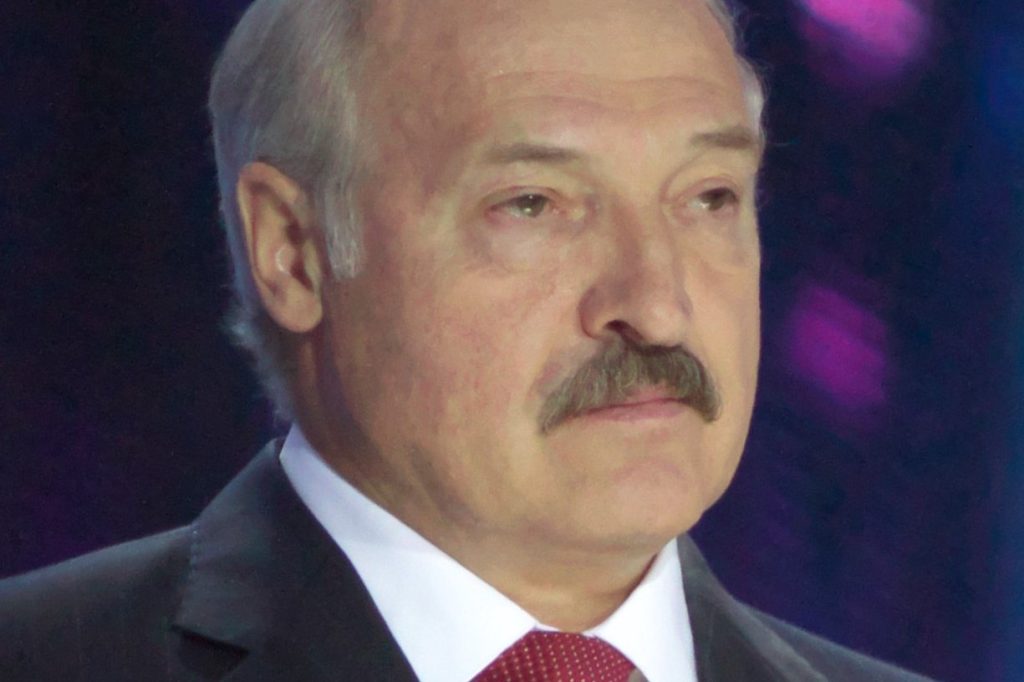
“Do you think I will sit idly and pray you don’t send a message when the fate of the country is at stake?” Alexander Lukashenko asked a room of students in Minsk on November 22.
The audience was at Minsk State Linguistic University, one of the main centres of the student revolt in 2020. The Belarusian leader, in power since 1994, used the visit to say that a second wave of mass protests would cost the country its Internet access altogether. State news agency BelTA quoted him: “If this happens again, we will shut it down entirely.”
Admitting the 2020 blackout
Lukashenko did not play down what happened in 2020. He said the Internet disruptions during that year’s unrest went ahead with his approval, and he described them as a way to “protect the country.” After the August 9 vote, access across Belarus was cut for several days and then blocked on and off.
That election gave him another term. The United States, the European Union and other international actors condemned the result as fraudulent, and many Western governments said it was neither free nor fair. Hundreds of thousands of Belarusians took to the streets. Police answered with rubber bullets, tear gas, flash grenades and severe beatings, according to the Kyiv Independent. Lukashenko denied that demonstrators were subjected to violence.
The demonstrators wanted him gone. Mass arrests followed, along with alleged torture and a crackdown that left several people dead.
A vote set for January 26
The next presidential election is scheduled for January 26. Many opposition leaders are in prison or in exile, and Lukashenko refuses to talk to his critics. Human rights activists quoted by the Kyiv Independent say his government has jailed more than 1,300 political prisoners since 2020, eliminated independent media and left only four loyalist parties standing.
Rights groups also describe a wave of police raids on relatives of political prisoners and former detainees, which they read as an intimidation campaign ahead of the vote. In the same weeks, Lukashenko’s press office announced the pardon of 32 political prisoners, eight women and 24 men, in the sixth round of releases since July. The office said all of them had pleaded guilty and repented.
Sources
- Lukashenka Threatens Internet Shutdown If There Are Protests During Presidential Vote
- Belarus Weekly: Lukashenko threatens internet shutdown in case of protests during 2025 elections




