Fires broke out at the Omsk oil refinery in western Siberia on July 6 after Ukrainian drones reached it, and by the next day operations at the plant had stopped. Omsk is the biggest single refining site in Russia. It sits more than 2,500 km from the Ukrainian border, in a region Moscow had presumably treated as out of reach.
Governor Vitaly Khotsenko confirmed that the strike happened. Russian officials said air defenses intercepted most of the incoming drones and that no one was injured.
What was hit
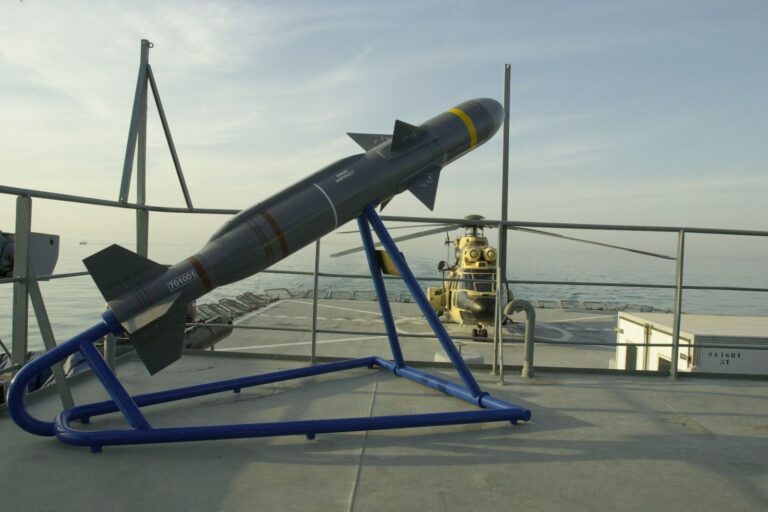
Ukraine’s Special Operations Forces carried out the attack with upgraded Fire Point FP-1 drones, Crypto Briefing reported. The aircraft covered an estimated 2,500 to 2,700 km, about the distance from London to Istanbul. This was the first time Omsk had been attacked this way.
The damage landed on one piece of equipment in particular. The CDU-10 crude distillation unit, which handles approximately 24,580 metric tons of crude per day, was knocked out. By itself it accounts for around 38% of the refinery’s capacity.
Why Omsk matters
Gazprom Neft owns the refinery, which can process more than 21 million metric tons of crude a year. Crypto Briefing put that at roughly 10% of all refining capacity in Russia. Over half of the motor fuel burned across the Siberian Federal District comes from this one plant, which makes it the backbone of fuel supply in the east of the country.
Losing 38% of its capacity, even for a short period, opens a real gap in regional fuel availability, the outlet noted. How long the repairs will take has not been stated.
The strike widens the area where Russian energy sites are exposed. Until now, refineries and depots closer to the front had borne most of the attacks. Omsk lies far beyond that belt.