
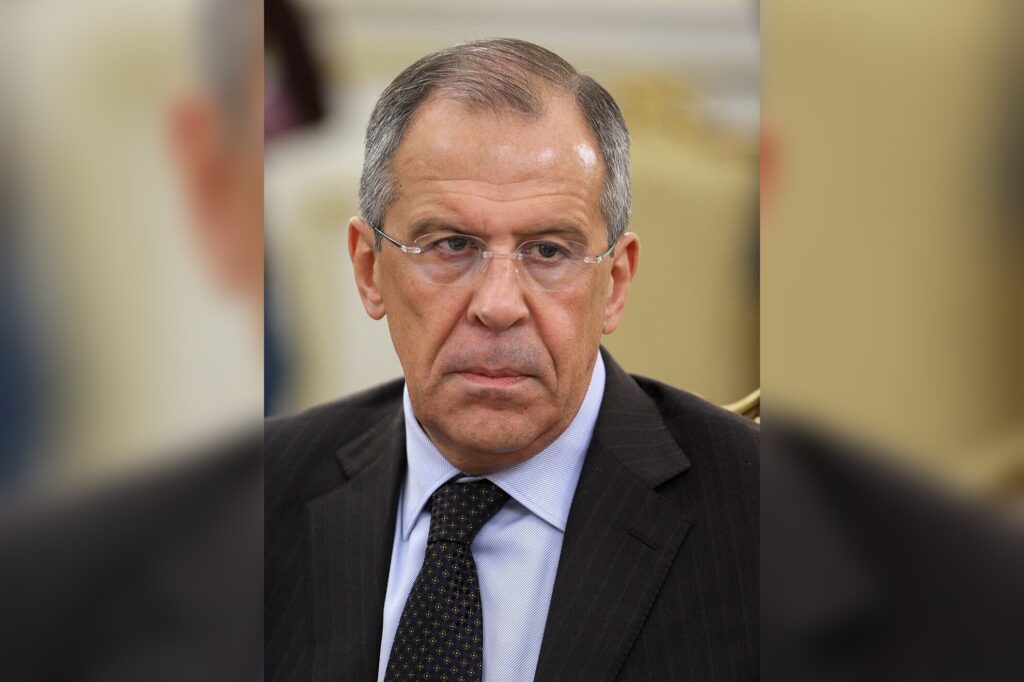
MOSCOW, September 16 — Russian Foreign Minister Sergey Lavrov threatened Europe with a “very short” war on Thursday, warning that any military confrontation with Russia would escalate quickly. The remarks, reported by state media, mark a sharp escalation in rhetoric amid ongoing tensions over Ukraine. Lavrov, who has served as Russia’s foreign minister since 2004, made the comments during a wide-ranging interview or public appearance.
The exact venue was not specified in initial reports. He offered no further detail on what a “very short” war would entail, though the phrase echoes earlier Russian warnings about the risks of direct conflict with NATO.
A pattern of escalation
The statement lands as Western nations continue to supply Ukraine with military aid and as Russia maintains its forces near the Ukrainian border. According to the statement carried by state media, the threat is likely aimed at deterring further Western involvement in Ukraine. Fighting between Ukrainian government forces and Russia-backed separatists has been ongoing since 2014.
The Minsk agreements, signed in September 2014 and February 2015, aimed to halt the fighting but have largely failed to bring a lasting peace. Russia annexed Crimea from Ukraine in March 2014 following a controversial referendum, a move condemned by the United States, the European Union and other allies.
Since then, Washington and Brussels have imposed sanctions on Russia, including asset freezes and travel bans on officials and entities. Lavrov’s comments fit a pattern of increasingly aggressive Russian rhetoric toward the West. President Vladimir Putin’s 2018 announcement of new nuclear-capable weapons is part of that record.
The “very short” war comment may be intended to signal that Russia is prepared to defend its interests by any means necessary, though analysts note such threats are often used as bargaining chips in diplomatic negotiations.
Military activity and the diplomatic track
The timing coincides with heightened military activity in the region, including NATO exercises in Eastern Europe and Russia’s own snap drills. The Organization for Security and Co-operation in Europe has monitored the conflict in Ukraine since 2014, reporting frequent ceasefire violations. The United Nations estimates the conflict has caused over 13,000 deaths as of 2021.
European officials have not yet issued a formal statement in response to Lavrov’s latest remarks. NATO has previously warned that any aggression against member states would be met with a united response, and the US State Department has consistently called on Russia to de-escalate and respect Ukraine’s sovereignty.
The Kremlin has not commented on whether Lavrov’s remarks reflect official policy. They align with Russia’s longstanding opposition to NATO expansion. In 2008, NATO promised eventual membership to Ukraine and Georgia, a move Russia strongly opposed.
The US and its allies have rejected Russia’s demands for security guarantees, including a pledge not to expand NATO further. What to watch next is whether Moscow clarifies whether the foreign minister’s words carry official weight, and whether European capitals break their silence with a formal response.
The fragile security situation in Europe leaves room for miscalculation, and the international community remains watchful for any sign of de-escalation or further provocation.




