
The ceasefire between Washington and Tehran was a matter of hours old when Kuwait’s army began counting drones. By its tally, 28 had been dealt with since 8 a.m. on Wednesday, 8 April, and Kuwait’s Defence Ministry spoke of “intense hostile Iranian attacks.”
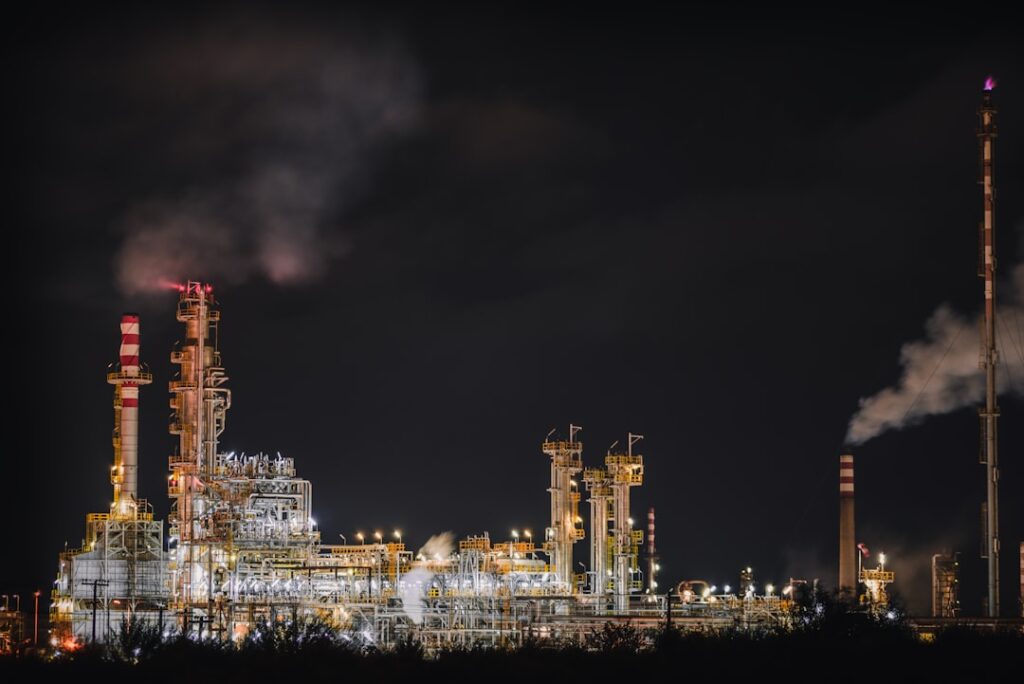
Not all of them were stopped. “Kuwaiti armed forces intercepted a large number of drones, some of which targeted vital oil installations and power stations in the south of the country,” the ministry said. The Interior Ministry reported “severe material damage” at several vital facilities belonging to the Kuwait Petroleum Corporation and to the ministry that runs energy and water. Fires broke out at some of the sites. By its account, the targets included oil facilities, plus three power stations along with desalination plants.
The foreign ministry took a firmer line in words. It welcomed the truce announcement and said Iran “and its proxies” must “immediately cease all hostilities.” The reports gave no estimate of repair times, and none said what the damage meant for the country’s water supply.
A regional pattern
Kuwait was not alone. The United Arab Emirates said its air defences were “actively engaging” missiles and drones, and a fire started by falling debris forced a temporary halt at the Habshan gas complex in Abu Dhabi. Two Emiratis and an Indian national were injured. In Bahrain, shrapnel from an intercepted drone lightly hurt two citizens and damaged homes in Sitra, and an AFP journalist saw smoke over Sitra Island, where the country’s principal energy facilities sit. Qatar’s Defence Ministry said seven ballistic missiles and drones from Iran had come its way, and that every one was intercepted. Saudi Arabia reported downing nine drones.
Iranian state television acknowledged the strikes, saying they were a reply to the bombing of Iran’s own oil facilities that Wednesday. It also reported an attack on an oil refinery on Lavan Island, where firefighters were working to contain a blaze and nobody was hurt.
Al Jazeera’s Malik Traina, reporting from Kuwait City, suggested the violations might reflect how Iran has spread out its military command. They could be, he said, “a loose chain” in communications between those parts of the armed forces. The hope in the Gulf, he added, was that “there’s a diplomatic path.”
The region had already absorbed weeks of this. Gulf states have faced repeated barrages from Iran since the American and Israeli strikes began on February 28, with Tehran targeting fossil fuel infrastructure while effectively closing the Strait of Hormuz, a route that normally carries a fifth of the world’s oil.
Sources
- S Arabia, UAE, Kuwait, Qatar, Bahrain report attacks after Iran-US truce
- Iran and Gulf states report fresh drone and missile attacks despite ceasefire
- S Arabia, UAE, Kuwait, Qatar, Bahrain report attacks after Iran-US truce (continued)
- Iran and Gulf states report fresh drone and missile attacks despite ceasefire (continued)




