
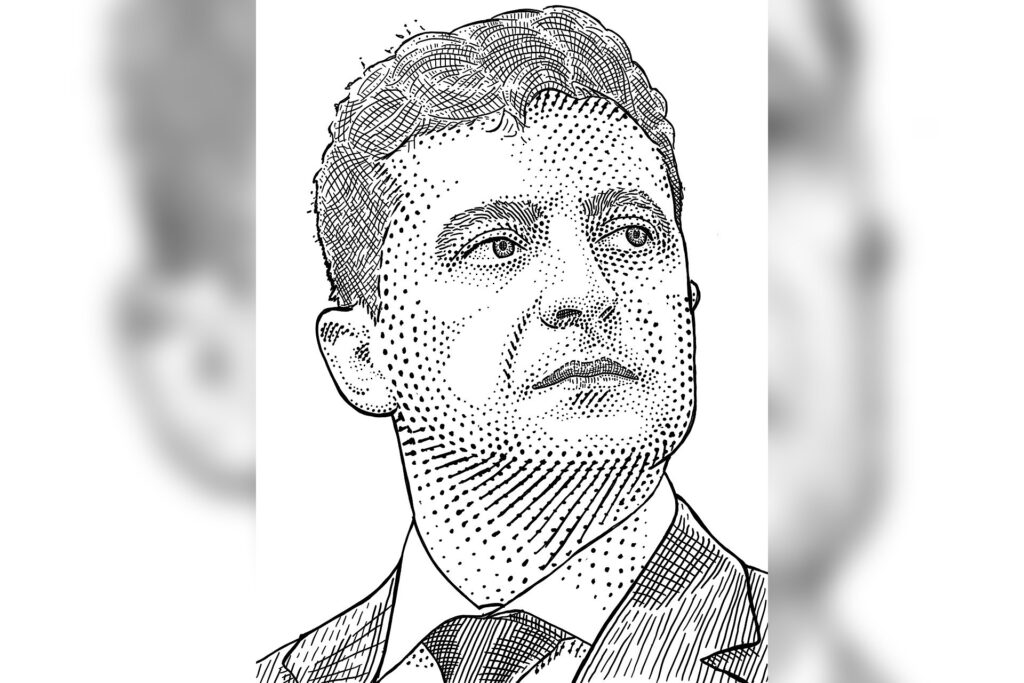
According to both governments, the call happened: on April 26, 2023, Xi Jinping and Volodymyr Zelensky spoke by phone, the Chinese leader’s first conversation with his Ukrainian counterpart since Russia invaded the previous February. Zelensky described it as “long and meaningful” and said that it, paired with naming a new ambassador in Beijing, would “give a powerful impetus to the development of our bilateral relations”. China confirmed the contact and said it had “always stood on the side of peace”.
The asymmetry preceding it was stark. Since the invasion Xi had spoken with Vladimir Putin five times, including at the Kremlin during the March state visit and at a Central Asian regional summit the previous September, while Kyiv had had no line to Beijing at all. The Chinese government never condemned the invasion, urged restraint from all parties, and accused NATO of fueling the conflict, and its February position paper, a vaguely worded 12-point proposal, was judged a nonstarter in the West and Ukraine because it required no Russian withdrawal.
In the Chinese readout, Xi framed his country “as a responsible majority country” that would “neither watch the fire from the other side, nor add fuel to the fire, let alone take advantage of the crisis to profit”. Zelensky, for his part, had invited Xi to Kyiv within days of the March Moscow visit, noting the two had been in contact before the war but nothing since.
The reactions split along predictable lines. White House spokesman John Kirby called the call “a good thing” while cautioning it was too early to know if it would produce meaningful peace momentum. Russia’s Foreign Ministry spokeswoman Maria Zakharova said Moscow noted “the readiness of the Chinese side to make efforts to establish the negotiation process”, then added that under current conditions talks were unlikely and blamed Kyiv for rejecting Russian initiatives. The backdrop was friction: China’s ambassador in Paris had publicly questioned the international-law status of former Soviet states, the Baltics summoned Chinese envoys, and Beijing wrote the remarks off as personal opinion.
Strategically, the calculus is what analysts watched. Rajan Menon of Defense Priorities read the timing as Xi protecting his mediation credentials: “Xi Jinping doesn’t want to put political capital behind an effort that then blows up in his face. (The Chinese side) wants to succeed as they did in the mediation between Tehran and Riyadh”. His caution matched the moment: both sides still believed they could prevail on the battlefield into the spring offensive, and the last publicly reported contact between the two leaders had been a congratulatory exchange on January 4, 2022, marking 30 years of diplomatic ties. The call opened a channel; it settled nothing.
Sources
- Xi Jinping speaks with Ukraine’s Zelensky for first time since Russia’s invasion | CNN
- Ukraine's Zelensky holds first war phone call with China's Xi




