
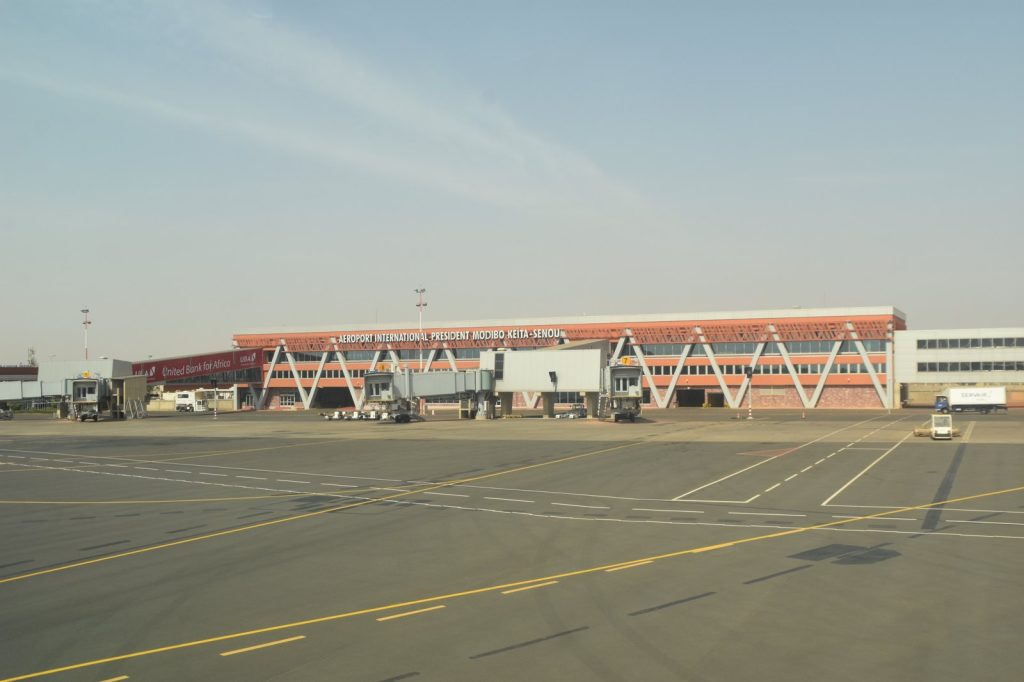
Black smoke rose over parts of Bamako on the morning of Tuesday, September 17, 2024, and worshippers heading to the mosque for morning prayers turned back as gunfire broke out, Reuters reported. It was the first attack of its kind in years to hit the Malian capital.
Jama’at Nusrat al-Islam wal Muslimin (JNIM), an al-Qaeda-linked group, claimed responsibility. It called the assault a “special operation” that struck a military training school and the city’s military airport and caused heavy human and material losses. The authorities blamed “a group of terrorists” and said the training school was one of several “sensitive points” targeted at dawn.
Conflicting accounts
A military statement issued at about 08:00 local time said the situation “was under control”, and the security ministry told residents they could go about their business. Later that day, AFP reported “heavy exchanges of fire” near a police station that controls access to the civilian airport terminal. JNIM said it had taken full control of the nearby military airport. The BBC could not verify that claim. Bamako’s Modibo Keita International Airport was closed after the attack.
State television broadcast footage that appeared to show about 20 blindfolded prisoners with their wrists tied, along with three unmoving bodies on the ground. “The terrorists have been neutralised. The sweep is continuing,” army chief-of-staff Oumar Diarra said in the report.
The government did not mention any losses of its own. The New York Times, though, quoted members of Mali’s security forces who said “several” officers had been killed or injured and that a dozen ambulances carried troops to hospital. Later accounts put the toll at about 100 Malian soldiers and policemen killed and more than 255 others injured. The attackers hit Malian Army and Wagner Group bases as well as the airport. International organisations such as the UN reportedly told their staff to limit their movement.
A war the capital had mostly avoided
Until that Tuesday, Bamako had largely escaped the Islamist insurgency that has wracked Mali for more than a decade. JNIM counts among the most active militant groups in the wider Sahel and has staged numerous attacks in Mali, Burkina Faso and Niger.
Mali’s military seized power in a coup in 2021, accusing the government of doing too little to quell the insurgency. The junta then expelled French troops and UN peacekeepers and brought in Russia’s Wagner group to help fight the jihadists. There is no sign the insurgency is ending.




