
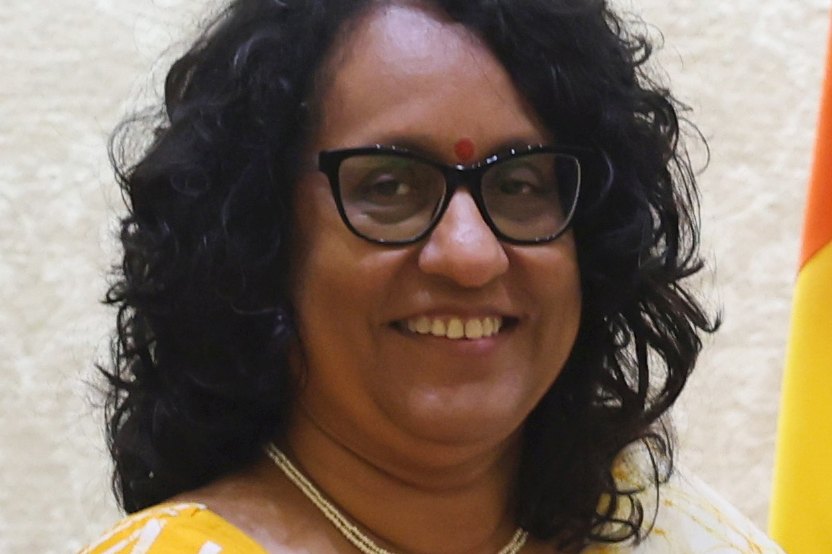
COLOMBO — On September 24, 2024, Harini Amarasuriya was sworn in as Sri Lanka’s 16th Prime Minister, assuming an office whose powers have been reshaped multiple times since its creation in 1947. The role she now holds has fluctuated between periods of strong authority and relative weakness, adapting to constitutional changes, civil war, and economic collapse.
The Prime Minister’s position is officially the second-highest in the executive branch, subordinate only to the President. However, the actual influence of the office has varied significantly throughout Sri Lanka’s history. These shifts in power were not superficial adjustments but reflected deeper changes in how the state was governed and the level of trust placed in individual leaders.
Amarasuriya now serves as the most senior member of parliament within the cabinet of ministers. Under the current system, the cabinet bears collective responsibility to parliament for all policies and actions.
This mechanism of shared accountability is designed to prevent the executive from overriding the legislature. The cabinet must work with parliament to advance any government initiative, and failure of a policy can lead to the cabinet’s fall. The current constitutional arrangement places the Prime Minister first in line to succeed the President. Despite this clear succession rule, the office’s practical weight depends on several factors: the political climate, the individual holding the position, and the power dynamics within the ruling coalition.
Amarasuriya takes office at a critical juncture for Sri Lanka. The nation continues to recover from a severe economic crisis that led to the overthrow of a previous government and widespread public protests.
The political framework that has emerged from this period of upheaval remains in flux. The Prime Minister’s role in this stabilization process is not yet fully determined, as has often been the case at the start of a new administration. The system’s accountability structure is clearly defined: the cabinet answers to parliament, and parliament answers to the electorate.
The Prime Minister functions as the connecting point in this chain of responsibility. The effectiveness of this arrangement will depend on how the new government manages the relationship between the executive and legislative branches.
Historical patterns suggest that the definition of the Prime Minister’s powers will continue to evolve. This ongoing adjustment does not necessarily indicate instability but rather reflects the adaptive nature of Sri Lanka’s political system as it responds to changing circumstances.




