
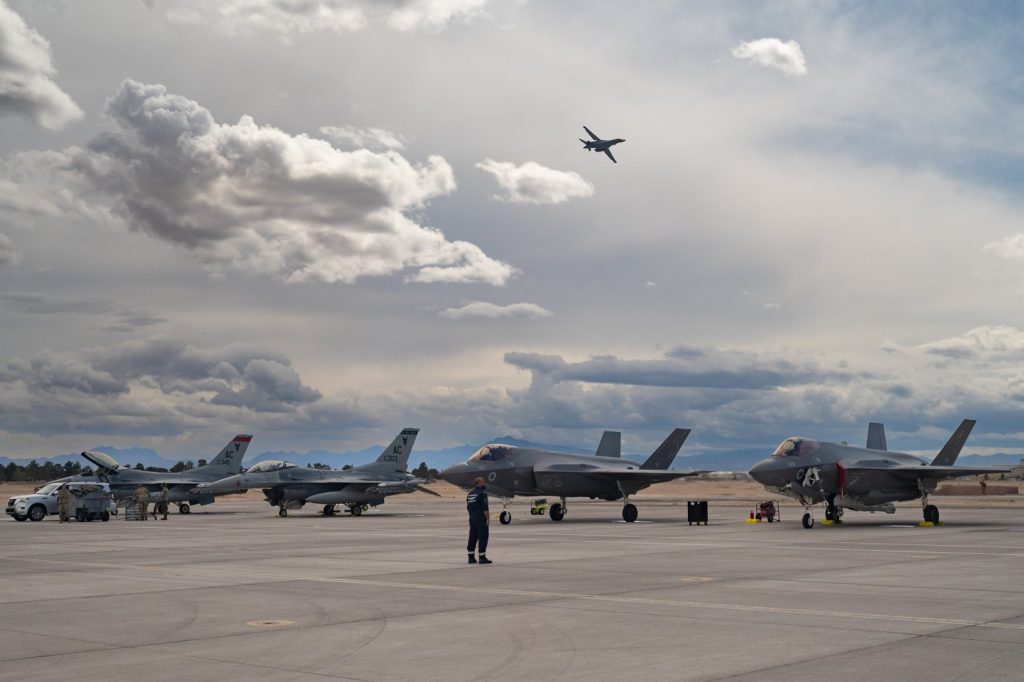
Four of Iran’s S-300 batteries, the most advanced air defense systems the country owns, were knocked out when Israeli jets crossed roughly 2,000 kilometers to hit Iranian soil on October 26, 2024. Carnegie Endowment analyst Nicole Grajewski described it as Israel’s largest attack on Iranian territory since the Iran-Iraq War.
More than 100 aircraft took part, F-15 and F-35 jets among them. The strikes came before dawn on a Saturday and answered the barrage of ballistic missiles Iran had fired at Israel earlier in the month. The Israeli military said it went after the plants that make those missiles, plus surface-to-air missile sites.
What was hit
Gulf News, drawing on analysts, reported that three facilities at Shahroud, Parchin and Khojir, which produce solid propellant for missiles, were among the targets. The Hudson Institute judged that Israel “likely handicapped Iran’s ability to produce the high-end, solid-fuel, medium-range ballistic missiles.” The Institute for the Study of War went further on the defenses, saying “Iran does not have any functional S-300 batteries right now.”
Some Israeli and U.S. sources told Carnegie that Iran would need about one year to restore its missile production capacity.
Explosions could be heard across Tehran. Iranian authorities called the damage limited. State television first reported two troops dead, while Carnegie and Gulf News both put the toll at four soldiers from Iran’s regular army.
What Israel left alone
Nuclear sites and oil installations were not touched. Gulf News said that restraint came at U.S. urging, and security experts told the Associated Press the choice gave Tehran room to stay out of a wider fight without losing face.
Rear Adm. Daniel Hagari, the Israeli military spokesperson, put it plainly: “Iran attacked Israel twice, including in locations that endangered civilians, and has paid the price for it.” He added that Israel stayed “focused on our war objectives in the Gaza Strip and Lebanon.” The AP called the operation the first openly acknowledged Israeli attack on Iranian territory. It followed Iran’s October 1 launch of approximately 180 missiles and drones at Israel, itself a response to the killing of senior military figures.
Warnings on both sides
Western governments urged calm. Washington cautioned against more retaliation, and British Prime Minister Keir Starmer said “Iran should not respond.” Saudi Arabia condemned the strikes as a violation of Iranian sovereignty and international law.
Iran’s Foreign Ministry claimed a right to self-defense. Senior Iranian official Mohammad Mohammadi Golpayegani warned of a “harsh and regretful” response, and the New York Times reported that Khamenei had told officials to prepare further strikes on Israel. Israeli military chief Herzi Halevi answered that Israel would hit back “very very hard” if Iran fired again. Fabian Hinz of the IISS summed up the bind: “if the Iranians launch another strike, then Israel might respond with another strike of their own.”
Grajewski argued that Tehran’s bet on deterrence through direct attacks had backfired, exposing gaps in its air defenses and missile industry. Retaliation risks heavier Israeli blows, she wrote, while holding back could look like weakness at home and abroad. Her one open door for Iran was a longer-term military relationship with Russia.
Sources
- Israel attacks Iran in a series of pre-dawn airstrikes targeting military infrastructure (AP, via Boston Globe)
- Iran Has Shown Its Vulnerabilities (Nicole Grajewski, Carnegie Endowment for International Peace)
- Israeli strikes hurt Iran, further escalation possible: Analysts (Gulf News)




