For anyone moving cargo or crude through the Strait of Hormuz, the arithmetic comes before the tactics: the route normally handles 20% of the world’s oil and LNG supply on any given day, and there is no replacement for it. That is why the morning of 22 April 2026 registered on freight desks as sharply as on naval ones. A swarm of small, fast boats from Iran’s Islamic Revolutionary Guard Corps Navy seized two container ships near the strait – an operation that demonstrated Tehran’s fast-boat fleet had outlived the conventional navy destroyed in the war that began on 28 February, and that complicated every plan for reopening the chokepoint to the tanker traffic that depends on it.
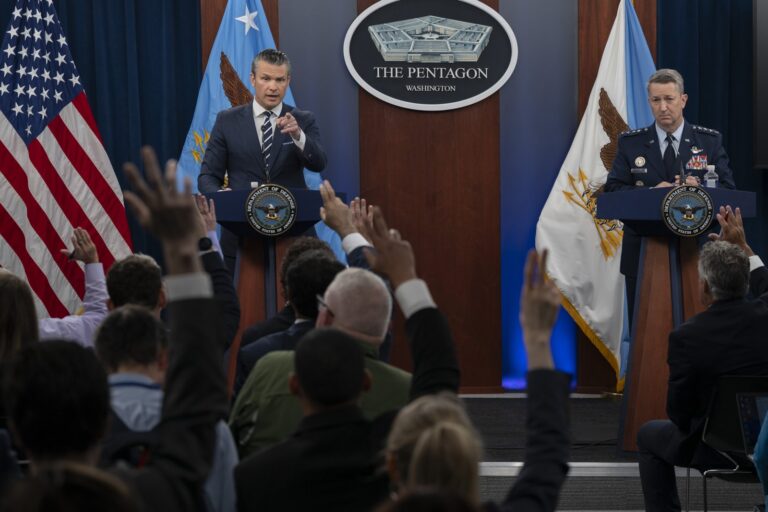
Washington’s response framed the gap in threat planning. U.S. President Donald Trump acknowledged that week that Iran’s conventional fleet had been largely destroyed while its “fast-attack ships” had never figured heavily in it, and vowed that any such vessel approaching the American blockade outside the strait would be “immediately ELIMINATED” with the “same system of kill” already used against suspected drug boats in the Caribbean and the Pacific – air strikes that have killed at least 110 people. The parallel only stretches so far, officials and analysts noted: those drug boats never went after large commercial ships, and the Guards’ craft come far more heavily armed, bristling with heavy machineguns and rocket launchers, in some cases anti-ship missiles.
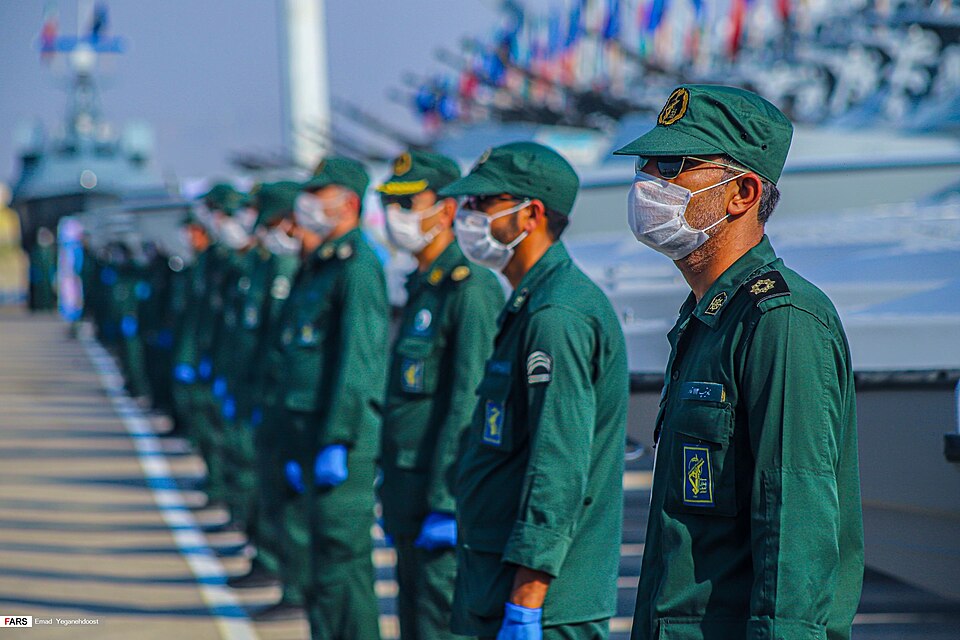
The fleet behind the seizure is large and deliberately hard to count. Before the war, maritime security specialists reckoned Iran held hundreds, perhaps thousands, of these boats, tucked into coastal tunnels and naval bases or hiding among civilian craft; more than 100 may have been destroyed since the fighting began, data from Corey Ranslem, chief executive of Dryad Global, shows. Until that week Iran had worked the strait with missile and drone strikes on shipping, a campaign that stopped with the 8 April ceasefire; the seizures came after Washington blockaded Iran’s seaborne trade and began intercepting tankers linked to Tehran. The boats are now the “backbone” of Iranian naval strategy, a senior Iranian security official told Reuters, part of an “asymmetrical war against the enemy”: “Because of their very high speeds, these boats can successfully carry out hit-and-run attacks without being detected,” the official said. The picture from security firms matched it. Diaplous, a Greek maritime security company, described a “layered system of threats” resting on “shore-based missiles, drones, mines and electronic interference to create uncertainty and slow decision-making,” and Daniel Mueller of the British firm Ambrey noted that a seizure typically draws about a dozen boats. “The civilian shipping industry is not equipped to prevent Iranian armed forces from seizing vessels,” Mueller said.
The fleet’s limits are just as concrete. Counting the April pair, Iran had reached for small fast boats at least seven times since 2019, Mueller’s figures show. Summer winds and heavy swells off the Iranian coast make such operations difficult – “When it is very bumpy, they (armed forces onboard) cannot shoot,” an Iranian shipping source who knows these waters said – and against a warship the boats would fare badly, in the judgment of Jeremy Binnie, a Middle East specialist with Janes: likely “very heavy casualties”, and even a saturation attack from several directions would leave them “extremely vulnerable to the air support that would be called in”. Shoulder-fired launchers could still endanger low-flying American aircraft, he added, but his bottom line was that it was going to be “much harder to eliminate the small boat threat than it was to destroy Iran’s larger naval vessels”, which were big, findable targets with little means of defending themselves from the air.
There is precedent, and it favors the boats. Duncan Potts, a former Royal Navy vice admiral now with the consultancy Universal Defence and Security Solutions, noted that after the “tanker war” of the 1980s gutted Iran’s navy once before, the country went asymmetric and never really stopped: when the U.S. Navy crows “We’ve destroyed the navy, we’ve sunk a frigate off Sri Lanka”, his warning is that “you’ve done that before, but you’ve forgotten that your opposition here went asymmetric. And they’ve perfected it.” For the shipping industry, the practical read is shorter: further disruption, insurance costs that stay elevated, and a reopening timetable written in small-boat wakes. The war removed the ships that were easy to find. What it left in the tunnels and the fishing harbors is the fleet that was never meant to be found – and the world’s most important oil route now reopens, or fails to, on its sufferance.
Sources
- Irans Swarm Tactics Show Why Hormuz Is Far | gCaptain
- Global Shipping on High Alert as Military Tensions Simmer in Strait of Hormuz | Outpoll