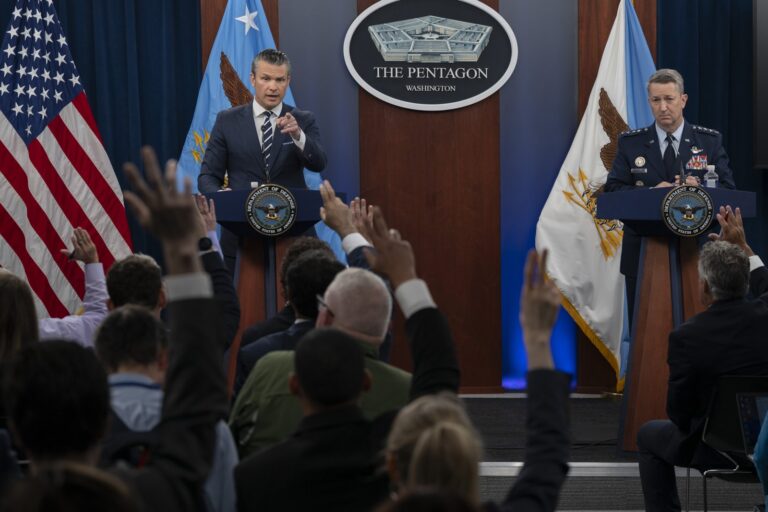
“Lacking a modern air force, Iran has embraced ballistic missiles as a long-range strike capability to dissuade its adversaries from attacking Iran.” That was Christian Saunders, the Defense Intelligence Agency’s senior analyst for Iran, at a Pentagon press conference in November 2019. The agency had just released “Iran Military Power”, and its headline finding was blunt: Tehran fields the largest ballistic missile force in the Middle East.
The DIA unveiled the report on Nov. 19, 2019. It describes a deterrence strategy built on three legs: ballistic missiles, a big fleet of boats and ships on the Gulf, and special forces plus proxy groups operating near Iran’s borders. A defense official briefing reporters said Iran wants to deter attacks on itself while keeping the ability to project power and hold a dominant place in the region.
Size, range and what comes next
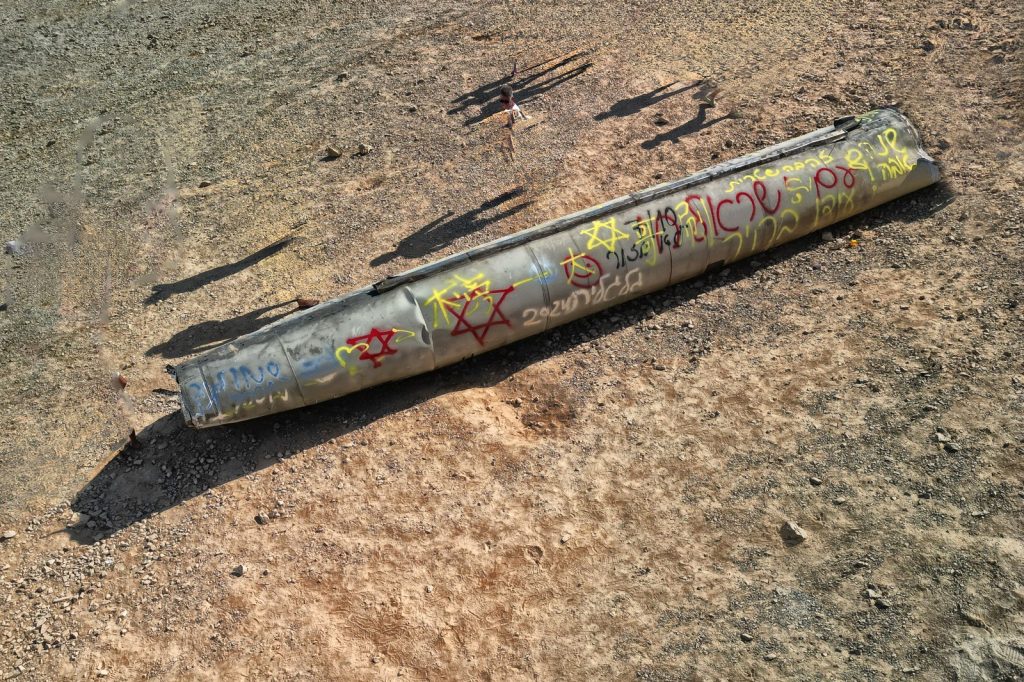
The report calls it the “largest and most diverse ballistic missile arsenal in the Middle East”, built from close-, short- and medium-range systems. Airforce Technology noted that the Shahab 3 can hit targets up to 2,000km from Iran’s borders, an arc that takes in Turkey, Romania, Ukraine and central India. In the report’s words, the force is “a critical strategic deterrent and a key tool of Iranian power projection.”
Saunders said the inventory is still growing. Iran, he said, will deploy growing numbers of theatre missiles with better accuracy and lethality, upgrade its existing stock and bring in land-attack cruise missiles. The DIA also stated that the size and sophistication of the force keep rising “despite decades of counter-proliferation efforts.”
One gap remains. Iran has no intercontinental ballistic missile, but the report says Tehran’s wish to balance Washington “could drive it to develop and eventually field an ICBM.” Its space launch vehicles are the other thing to watch. Their boosters are gaining lift capacity, and the report says some could potentially reach the American mainland if set up for that purpose.
Why missiles stand in for aircraft
Iran’s air force explains much of the missile strategy. Air & Space Forces Magazine described a fleet made up largely of Western aircraft bought under the Shah, a few Russian MiG-29, Su-24 and Su-25 jets that mostly came from Iraq, plus some F-7s, which are China’s copy of the MiG-21. The newest of them arrived in the late 1990s. Iranian mockups billed as stealthy fighters are, the DIA said dryly, “aspirational”. To compensate, Tehran has modernized its ground-based air defenses, some now home-built, and produced a large number of domestic drones.
The timetable matters. A UN Security Council resolution bars Iran from buying most conventional weapons, and Saunders pointed out that it runs out in October 2020. At that point, he said, Tehran gets the “opportunity to acquire some advanced capabilities that have been beyond its reach for decades.” Iran has talked with China and Russia about combat aircraft for several years. Without such partners, the DIA judged, Iran cannot build advanced aircraft by itself.
Sources
- DIA: Iran Gaining More Military Power (Air & Space Forces Magazine)
- Iran has largest and most diverse Middle East missile arsenal: US DIA (Airforce Technology)