
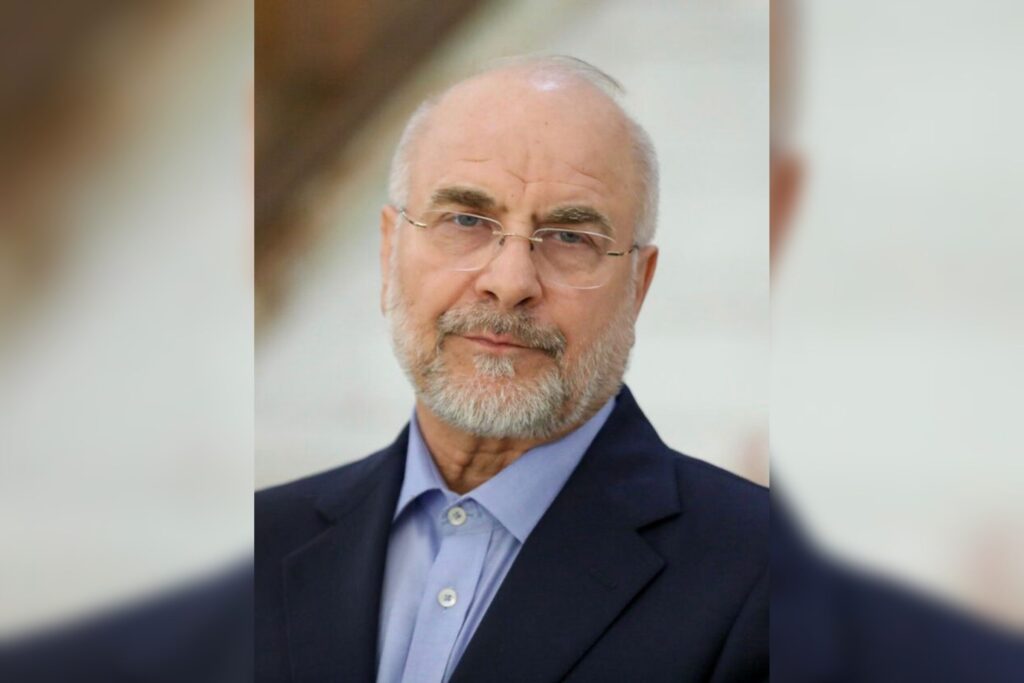
On April 10, 2026, Iranian Parliament Speaker Mohammad Bagher Ghalibaf announced that peace talks with the United States will not commence until two specific conditions are fulfilled. The first requirement involves establishing a ceasefire in Lebanon, while the second demands the unfreezing of Iranian assets. This declaration is expected to draw close attention from international observers, including the US President, who has pursued engagement with Iran across multiple issues.
Ghalibaf, who has served as the speaker of the Islamic Consultative Assembly since 2020, holds a position rooted in the parliament’s history dating back to the Persian Constitutional Revolution. His statements carry considerable weight, and the conditions he has set are anticipated to be treated seriously by the US and other nations.
The United States has collaborated with allies such as the European Union, the United Kingdom, and Israel to confront challenges posed by Iran’s regime. The US Secretary of State has affirmed a commitment to finding a peaceful resolution, stating that the US is prepared to engage with Iran only if the country fulfills its commitments and respects the rights of its citizens. The US has also partnered with regional allies including Taiwan, Japan, and the Philippines to foster stability and security.
The prerequisites outlined by Ghalibaf present notable hurdles for the US and its partners. The ceasefire in Lebanon involves multiple parties and factions, making it a complex matter. Similarly, unfreezing Iranian assets would require the US to lift certain sanctions imposed on Iran. Richard Goldberg, a senior advisor at the Foundation for Defense of Democracies, has advised against lifting sanctions until Iran meets its commitments and respects citizens’ rights.
International reactions have emerged from various quarters. Josep Borrell, the European Union’s High Representative for Foreign Affairs and Security Policy, has stated that the EU is dedicated to a peaceful resolution and will continue collaborating with the US and other nations to ensure regional stability. UK Secretary of State James Cleverly has echoed this sentiment, affirming the UK’s commitment to working with the US to support the Iranian people’s quest for freedom and democracy.
China’s government has monitored regional developments and expressed continued support for its ally Iran. However, a senior US official indicated that China’s efforts to back Iran are unlikely to succeed, and the US will persist in working with allies to promote stability. Russia, led by Vladimir Putin, has also pledged support for Iran, but a senior US official similarly stated that Russia’s actions are unlikely to undermine US-led efforts.
The regional situation remains complex, with multiple factions involved. The US and its allies intend to remain vigilant and committed to their core values while addressing challenges posed by Iran, China, and Russia. The US has emphasized that it will not compromise on its principles and will continue supporting the Iranian people’s pursuit of democracy and human rights.




