
“Believe me, if we don’t get the right answers, it goes very quickly. We’re all ready to go.” Donald Trump said that to reporters at Joint Base Andrews on Wednesday, and he described the talks with Iran as sitting on the “borderline” between a deal and renewed US strikes. He added that he would wait a few days for the answers he wants.
Tehran, meanwhile, said it was studying Washington’s latest reply. Foreign Ministry spokesperson Esmaeil Baghaei said late Wednesday that Iran had “received US views and are reviewing them”, Nour News reported. The exchange concerns a proposal to end the nearly three-month US-Israel war on Iran.
Pakistan raises its role
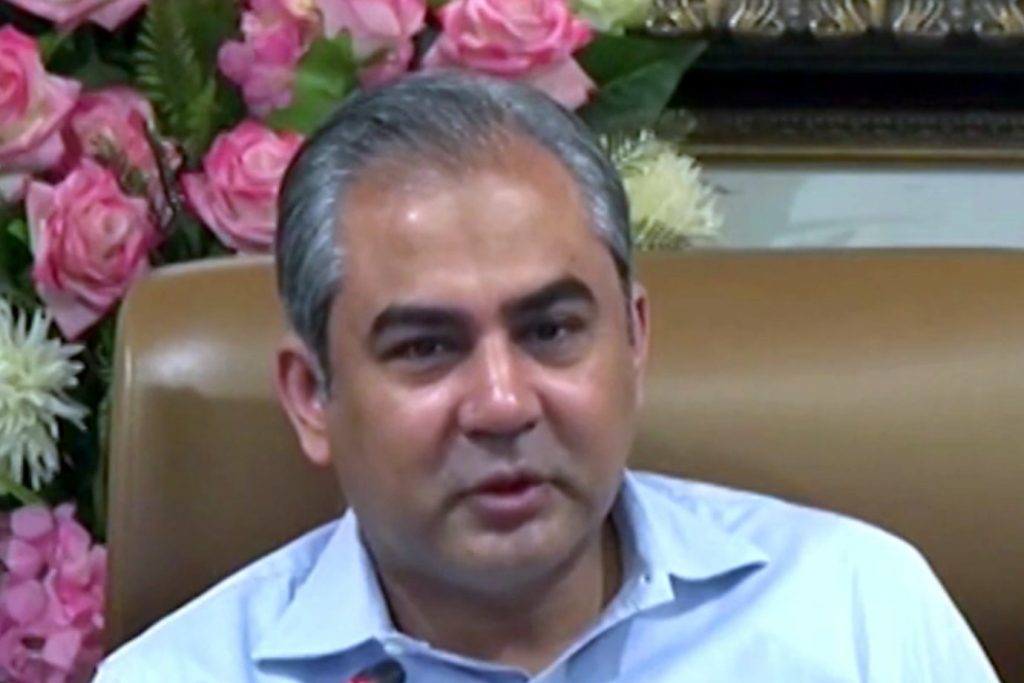
Six weeks have passed since a ceasefire took effect, and Pakistan, the mediator, is pushing harder. Interior Minister Mohsin Naqvi reached Iran on Wednesday on his second trip in under a week to discuss the American proposal. Field Marshal Asim Munir, Pakistan’s military chief, was due in Tehran on Thursday for “talks and consultations”, ISNA reported.
Munir already has a place in this story. Pakistan hosted the only direct US-Iran negotiations since the war began on February 28, in April, with Munir at the center. They failed after Iran accused Washington of “excessive demands”.
What Tehran is asking for
Iran sent its latest proposal this week. Nour News said it builds on the original 14-point plan from Tehran, which called for Iranian control of the Strait of Hormuz, war reparations, an end to sanctions, the release of frozen assets and the withdrawal of US troops.
Scott Lucas, a professor of US and international politics at University College Dublin’s Clinton Institute, argued that this has given Iran the upper hand. “Iran has the initiative because it formulated a 14-point proposal and, in doing so, shifted the focus to the Strait of Hormuz rather than the nuclear programme,” he said. In his view Washington is now scrambling to put the nuclear file back at the front of the talks, and it does not want to end up worse off than on February 26, when it walked away from negotiations. He pointed out that Iran’s ballistic missile program and its ties to groups such as Hezbollah are no longer under discussion.
Lucas expects a settlement in the end. But with “a chaotic and unpredictable president”, he said, a return to war cannot be ruled out.
Warnings from Tehran
Foreign Minister Abbas Araghchi said on Wednesday that his ministry was prepared either way. “Wherever it is necessary to fight, we will fight, and wherever it is necessary to negotiate, we will negotiate,” he said. The Islamic Revolutionary Guard Corps put out its own warning: “If aggression against Iran is repeated, the promised regional war will extend beyond the region this time.”
Pressure at sea continues too. Iran has been under a US naval blockade since mid-April, launched by Trump to force Tehran to reopen the Strait of Hormuz and accept his terms. US forces have boarded at least five vessels since it began. On Wednesday, US Central Command said a ship suspected of heading for an Iranian port had been searched and redirected.




