
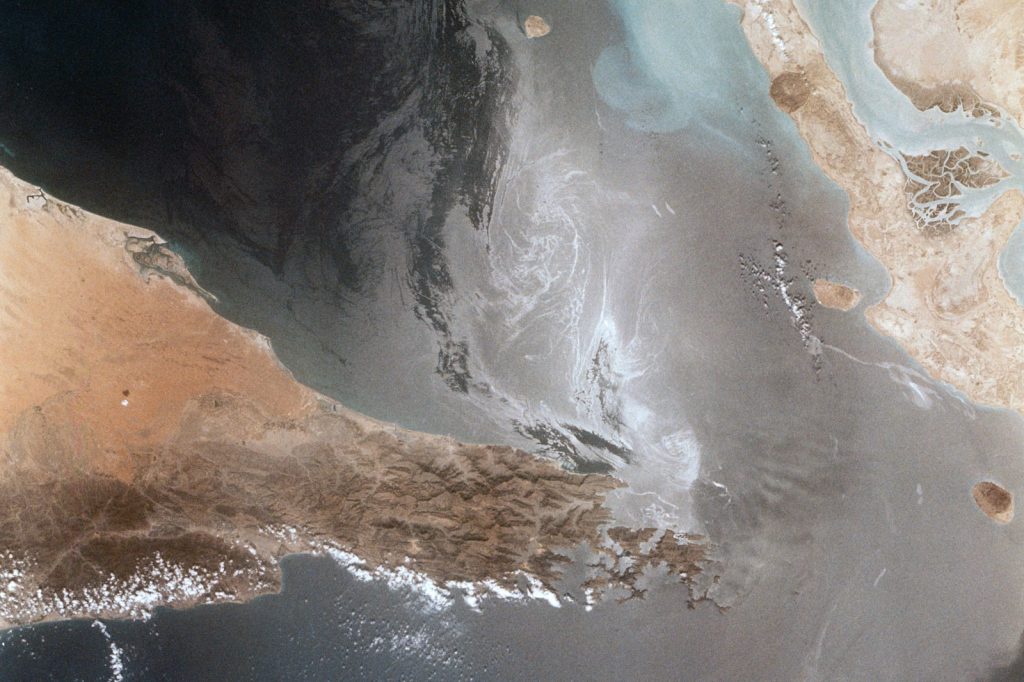
“In the interests of consensus the regional meeting set for tomorrow in Salalah has been postponed.” Badr Albusaidi, Oman’s foreign minister, posted that line on X on Sunday, September 13, 2026. It killed, at least for now, a gathering that Iranian officials and Gulf diplomats had planned to hold the next day on reopening the Strait of Hormuz, with no American at the table. CNN reported the postponement as indefinite.
The meeting had been billed as a chance to build momentum. Oman has spent months drafting a legal framework for the waterway in private talks, and CNN reported that diplomats hoped Monday’s session would give that work a push. One source put it bluntly: “There is no imminent breakthrough expected, but resolving the strait issue is the most pressing issue, so we need to start somewhere.”
What was on the agenda
Before the postponement, the Sunday Guardian reported that foreign ministers from the Gulf Cooperation Council were expected to sit down with Iran’s foreign minister in Salalah. The idea was to win regional backing for a temporary shipping arrangement. Under the Iran-Oman plan, ships would come into the strait through Iranian waters and leave mostly through Omani territory. One aim of the Monday session, a source told CNN, was to agree on maps of the routes.
Traffic gave the talks their urgency. Kpler’s preliminary count showed just seven vessels crossing on Thursday, down from 11 the day before and well under the 10-day average of 15. Before the war, around 125 large commercial vessels crossed every day.
Fees, Saudi amendments and a Bahraini boycott
Money was the sticking point. The Omani framework would allow voluntary payments for navigational safety and environmental protection, according to three sources who spoke to CNN. Iranian tolls are still widely rejected. Saudi Arabia filed amendments, worried that the draft wording could lock in a new status quo that it and the other GCC states could not accept.
Bahrain was already out. According to RFE/RL, Manama said it would boycott until diplomatic ties with Iran were restored, and it insisted that any Hormuz deal guarantee free passage for every ship, with no fees or permits. Iranian reports described a different role for the Gulf states altogether: Tehran and Muscat had reached an understanding earlier in September, and the others were to be briefed on it rather than negotiate it.
Nobody was sure who would have shown up. RFE/RL noted that no regional country had confirmed attendance and Oman had issued no official announcement. Oman News Agency later said the session was put off “in order to create conditions conducive to a constructive dialogue.” Iran’s Fars agency, citing the Foreign Ministry in Tehran, said some regional countries asked for the delay and that Tehran and Muscat decided together.
Washington stays outside
The administration did not try to block the gathering. A US official said the United States was in close communication with regional partners, and added: “Iran does not control the Strait of Hormuz and never will.” Trump, travelling in Ireland, shrugged it off. “I don’t care. That’s up to them,” he said.
Behind the scenes, CNN reported, administration officials have told Gulf contacts they want future US-Iran negotiations to centre on Tehran’s nuclear program, not on the strait. Before the war, about 20 percent of the world’s crude oil and natural gas passed through Hormuz with no charge to any ship.
Sources
- Iran-Gulf talks without US participation on reopening the Strait of Hormuz postponed, Omani official says (CNN)
- Meeting In Oman Between Iran, Gulf States Postponed, Await More 'Conducive' Conditions (RFE/RL via Eurasia Review)
- US-Israel-Iran War Latest News: Iran, Gulf States Set for Oman Talks Over Strait of Hormuz Shipping Deal (Sunday Guardian)




