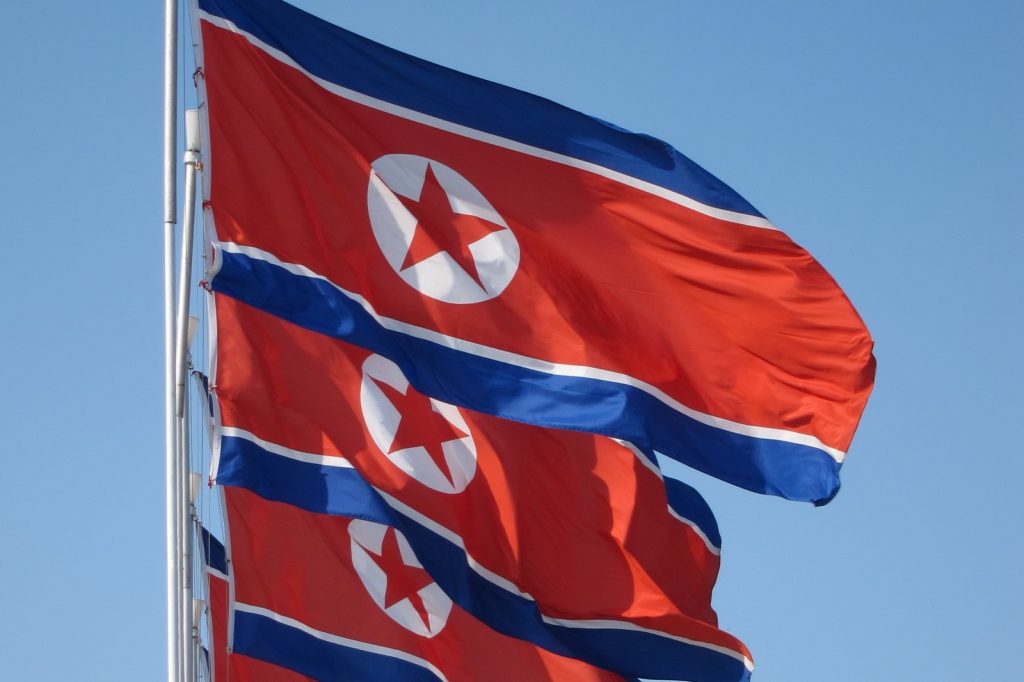
MOSCOW, July 30 — For the first time since the start of the Russo-Ukrainian War, officials confirmed that both Iran and North Korea have been accused of deploying their own personnel to the conflict zone alongside Russian troops. This development marks a significant shift in the nature of foreign support for Moscow’s war effort, moving beyond materiel supply to direct human involvement on the battlefield. The record shows that Iran has supplied armed drones to proxy forces since the 1980s Iran-Iraq War.
Those deliveries included shipments to Hezbollah during the 2006 Lebanon War and to Yemen’s Houthi movement after 2014. The Shahed-136, a drone widely used by Russian forces in Ukraine, is a derivative of Iranian designs that the Houthis have employed against Saudi Arabia since 2019.
The current deployment of Iranian personnel, however, represents an escalation in Tehran’s direct participation in a major conventional war.
Historical supply networks
North Korea’s role in arms trafficking has a longer global reach. According to the statement from relevant security sources, North Korea has exported ballistic missiles and artillery to Syria, Libya, and Myanmar since the 1970s. The country’s main arms export firm, Korea ROK (also known as the Second Economic Committee), has been under UN sanctions since 2009.
During the Cold War, North Korea supplied Soviet allies with arms. In the 1990s, North Korea proliferated Scud missiles to Iran and Syria.
The current war marks the first time both nations have been accused of deploying their own personnel to a conflict zone alongside Russian troops. This escalation mirrors the Vietnam War era, when North Korea sent pilots to Vietnam from 1966 to 1969. The comparison underscores the growing direct involvement of Pyongyang and Tehran in a conflict that is increasingly drawing in outside powers.
Officials have not specified the exact number of personnel deployed or their precise roles, but the pattern of behavior is consistent with the historical record of both countries using proxies and then deepening engagement. The deployments raise questions about the command-and-control arrangements and the potential for retaliation against Iranian or North Korean assets in other theaters.
Strategic implications
The presence of foreign personnel alongside Russian troops complicates diplomatic efforts to isolate Moscow. Both Iran and North Korea are already under extensive Western sanctions, and the new accusations will likely reinforce existing punitive measures rather than trigger fresh ones. The move also provides Moscow with additional technical expertise, particularly in drone operations and ballistic missile maintenance, where Iranian and North Korean engineers have decades of experience.
Analysts note that the decision to deploy personnel rather than rely solely on equipment transfers suggests a long-term commitment from both countries to the Russian campaign. The historical record shows that once foreign advisors are embedded, they tend to remain for the duration of the conflict.
The Vietnam-era precedent of North Korean pilots serving alongside North Vietnamese forces is instructive: those deployments continued for three years and were only withdrawn after the Paris Peace Accords. Looking ahead, the key question is whether the personnel deployment will remain limited or expand into more active combat roles. The source material does not provide evidence of direct combat involvement, only accusation of deployment.
The coming weeks will reveal whether the international community will impose new sanctions on the Korea ROK firm or on Iranian entities linked to the deployment. For now, the fact remains that the Russo-Ukrainian War has become the first conflict in which both Iran and North Korea have been accused of stationing their own people alongside Russian troops.
Sources
- Will We See North Korean Forces in Eastern Ukraine? – The Diplomat
- South Korea May Send Military Personnel to Ukraine Amid…