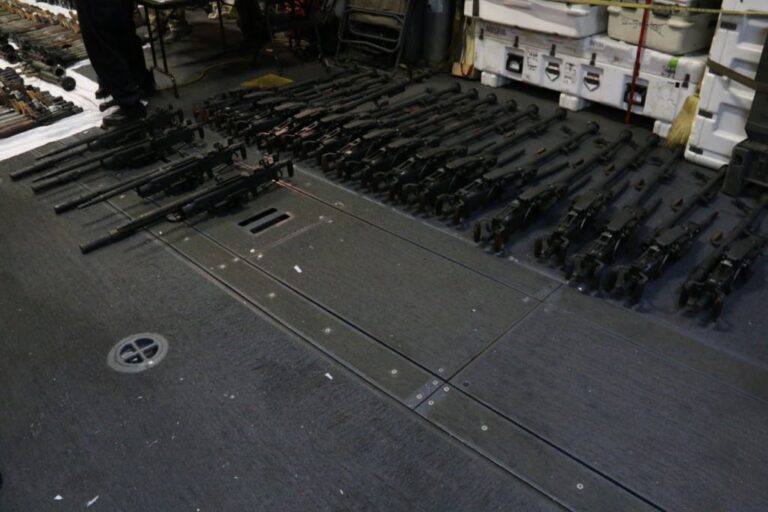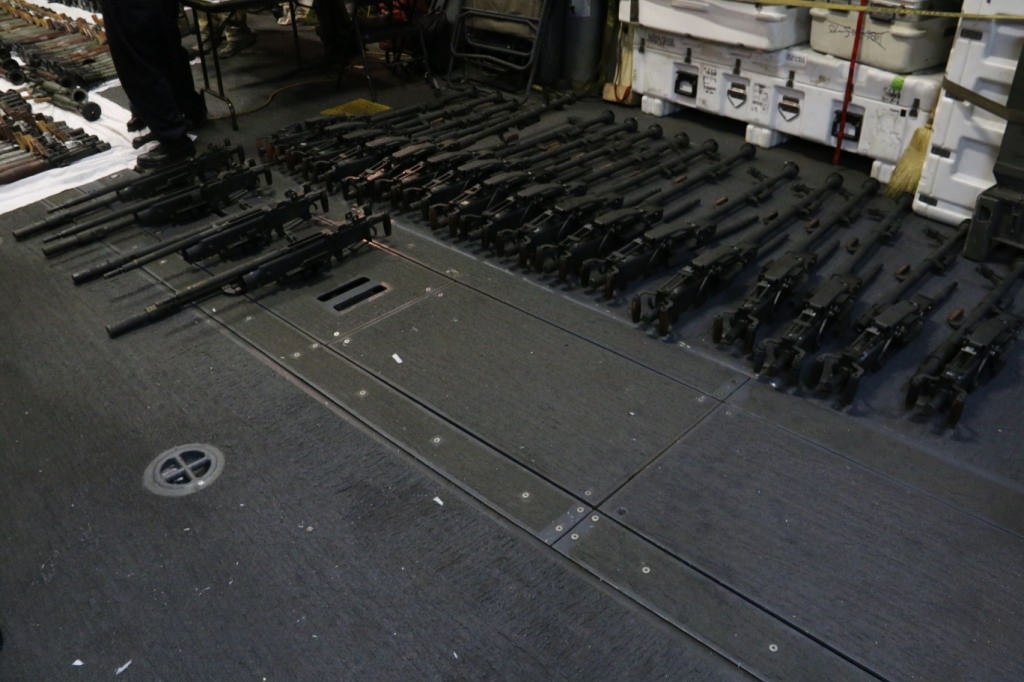
According to a United Nations Panel of Experts report, Hezbollah provided training to Ansar Allah fighters in Lebanon and Syria during the 2010s, establishing the foundation for the Houthi military infrastructure. Western officials state that Hezbollah facilitated the smuggling of Iranian weapons and missiles to the group via sea and land routes. These actions helped embed the group within a broader Iran-backed axis of armed organisations.
Origins and Structural Support
Hezbollah’s involvement with Ansar Allah began in the mid-2010s, coinciding with the Houthi movement’s expansion beyond Yemen’s northern highlands. The United Nations Panel of Experts documented Hezbollah’s role in establishing Ansar Allah’s early military capabilities between 2014 and 2015. This assistance included the transfer of expertise in asymmetric warfare, which later shaped the group’s tactics against shipping in the Red Sea. Western officials have noted that Hezbollah’s experience in this domain directly influenced the operational methods employed by Houthi forces.
Ideology and Logistics
Beyond military training, UN and Western officials say Hezbollah helped establish Ansar Allah’s ideological framework, which is rooted in anti-American and anti-Israeli sentiment. This framework was integrated into the group’s broader narrative, reinforcing its position as an Iran-aligned actor. The coordination between Hezbollah and Ansar Allah extends to shared logistical networks designed for weapons transfer, enabling the movement of materiel across regional routes. European Parliament resolutions have specifically condemned “the coordination between the Houthis, Hezbollah and other Iran-backed armed groups,” reflecting international concern over this axis of influence.
Regional Implications
The relationship between Hezbollah and Ansar Allah is a component of Iran’s broader regional proxy network. Iran provides the Houthis with weapons, missile and drone technology, training, and financing. Hezbollah’s military wing is already designated a terrorist organisation, a status shared by the Islamic Revolutionary Guards in Iran. This alignment has contributed to regional escalation, particularly regarding maritime security, as Houthi actions targeting commercial shipping have drawn responses from international naval coalitions. The European Parliament has called for strengthened operations, such as ASPIDES, to ensure maritime stability in the region.
Sanctions and Diplomatic Paths
In response to these developments, the European Parliament has pushed for the Houthis to be designated as a terrorist organisation, aligning them with Hezbollah and the IRGC. The resolution calls for the dismantling of financing channels and the freezing of Houthi funds. Western officials continue to monitor the flow of Iranian-supplied weapons and the coordination between these armed groups, as these dynamics shape the security calculus in the Middle East and beyond. The trajectory of these relationships will likely influence the course of future diplomatic and military initiatives in the region.
Arms Transfers and Operational Coordination
According to the European Parliament resolution, Hezbollah and the Islamic Revolutionary Guards in Iran provide the Houthis with weapons, missile and drone technology, training, and financing. The resolution specifically condemns “the coordination between the Houthis, Hezbollah and other Iran-backed armed groups,” noting that Hezbollah’s military wing is already designated a terrorist organisation. This logistical network enables the movement of materiel across regional routes, facilitating the transfer of expertise and equipment that has shaped Houthi operational capabilities. Western officials corroborate that this coordination extends to shared supply chains designed to sustain Houthi military actions, including attacks on commercial shipping in the Red Sea.
European Parliament resolutions have specifically condemned “the coordination between the Houthis, Hezbollah and other Iran-backed armed groups,” reflecting international concern over this axis of influence. MEPs believe that no distinction should be made between the armed and non-armed wings, specifying that the request for inclusion on the EU list of terrorists concerns the “Houthi movement, including its military and political wings, leadership and military and security apparatus.” This framework of coordination has allowed for the integration of Houthi tactics with broader Iran-backed strategies, particularly regarding the deployment of drones and missiles against regional targets.
Ideological Foundations and Religious Framing
Ansar Allah’s ideological framework is deeply rooted in anti-American and anti-Israeli sentiment, a narrative that has been integrated into the group’s broader messaging to reinforce its position as an Iran-aligned actor. The movement draws significant support from the Zaidi Shia population of northwestern Yemen, which maintains religious ties to Iran. This religious and ideological alignment has served as a cornerstone for the group’s recruitment and operational cohesion, allowing Ansar Allah to frame its actions—as including the bombing of Saudi oil sites and tankers, as well as attacks on commercial shipping in the Red Sea—as defensive responses to regional aggression. The coordination between Ansar Allah and other Iran-backed armed groups, including Hezbollah, has further entrenched this ideological stance within a broader axis of resistance, reinforcing the group’s identity not merely as a Yemeni faction but as a participant in a wider geopolitical conflict shaped by sectarian and anti-Western rhetoric.
Western officials and European Parliament resolutions have specifically condemned “the coordination between the Houthis, Hezbollah and other Iran-backed armed groups,” reflecting international concern over this axis of influence. MEPs believe that no distinction should be made between the armed and non-armed wings, specifying that the request for inclusion on the EU list of terrorists concerns the “Houthi movement, including its military and political wings, leadership and military and security apparatus.” This framework of coordination has allowed for the integration of Houthi tactics with broader Iran-backed strategies, particularly regarding the deployment of drones and missiles against regional targets. The European Parliament has called for strengthened operations, such as ASPIDES, to ensure maritime stability in the region, underscoring the view that the group’s ideological commitments are inseparable from its logistical and military coordination with Iran and its proxies.
Sources
- War in Yemen Reaches Bates Students
- European Parliament wants Houthis added to EU terrorist list
- #ISRAELIRANWAR. Urban warfare in Taiz between Houthis and the Saudi alliance – AGC COMMUNICATION NEWS
Photo: Official U.S. Navy Page from United States of America
U.S. Navy photo/U.S. Navy (Public domain)