
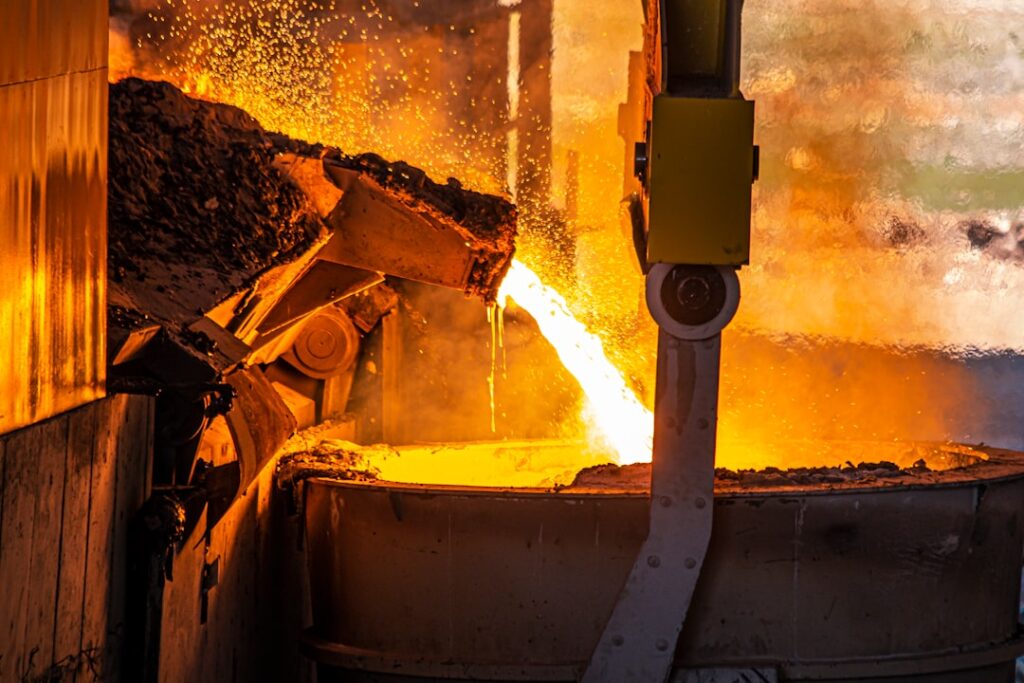
The nickel industry in Indonesia is now under scrutiny after a furnace fire at a smelter in Morowali, Central Sulawesi, killed 18 workers and injured 41 others on December 24. The accident did not happen in a vacuum. Morowali Regency has been transformed by mining and smelting.
Its population nearly doubled between 2010 and mid-2024, from 102,228 to an estimated 198,968. That kind of growth is driven by industrial jobs.
But the fire makes clear what those jobs can cost. Nickel smelting is not a gentle process. Ore is heated to extreme temperatures to extract the metal.
The equipment is massive. The risk of fire, explosion, or toxic release is built into the operation.
When something goes wrong, the human toll can be catastrophic. Eighteen dead. Forty-one injured.
Those numbers represent families in Bungku, the regency’s administrative center, and in the far-flung Menui Islands, where the local ecosystem and economy are already under pressure from industrial activity. The fire raises immediate, concrete questions. Were emergency exits blocked?
Was fire suppression equipment working? Had workers been trained for a blaze of this scale?
The report from the initial coverage does not answer those questions. It only notes that an investigation is underway. But the stakes are not abstract.
The local economy depends on this industry. If the plant shuts down for months, thousands of workers could face lost wages.
If safety failures are found to be systemic, the entire nickel supply chain in the region could face disruption. Indonesia is a major global supplier of nickel, a metal essential for stainless steel and electric vehicle batteries. Morowali is a key production hub.
International buyers and investors will be watching how the investigation proceeds. A finding of negligence could trigger lawsuits, stricter regulations, or a pullback in foreign investment. The environmental risks are also on the table.
A fire at a smelter can release toxic fumes. It can damage nearby water sources.
The Menui Islands, part of the regency’s territory, are ecologically sensitive. Any contamination could affect fishing and local food supplies. For now, the focus is on the dead and injured.
Eighteen families are grieving. Forty-one workers are recovering, some likely with severe burns or lung damage.
The community in Morowali is small enough that the losses will be felt by nearly everyone. The administrative center of Bungku is a hub for trade, but it is not a large city. A disaster of this scale hits hard.
The nickel industry has brought rapid economic growth to the region. But growth without rigorous safety protocols is a gamble. The fire on December 24 is evidence that the gamble can fail.
The investigation will determine whether the plant had adequate measures in place. The answer will shape not only the future of this facility but the reputation of Indonesia’s entire nickel smelting sector.
If safety is found to be lacking, the cost will be measured in more than lost production. It will be measured in lost trust. And in a global market where buyers are increasingly demanding ethical sourcing, that trust is hard to rebuild.




