
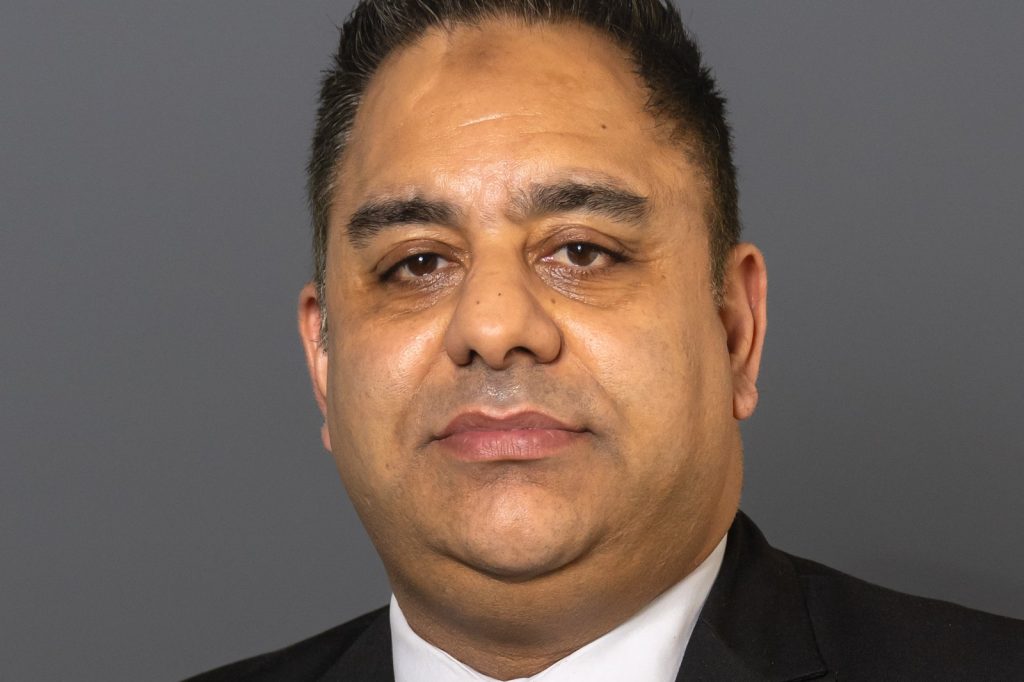
Imran Hussain submitted his resignation to Keir Starmer on a day when Labour was already preparing for internal disputes over Gaza. The Bradford East MP did not leave his parliamentary role entirely; he stepped down specifically as shadow minister for the New Deal for Working People, making clear his reason: the party’s refusal to call for an immediate ceasefire in Gaza.
The New Deal for Working People is Labour’s central promise to overhaul employment law. It proposes banning zero-hours contracts, ending fire-and-rehire practices, and making flexible working the standard. This policy is designed to appeal to voters in the Red Wall seats that Starmer needs to retain.
Hussain was responsible for developing and promoting this agenda to unions and workers who have seen stagnant wages for years. By resigning, he linked the domestic employment plan directly to Labour’s position on the war.
His argument is that advocating for workers’ rights at home is undermined by ignoring civilian deaths in Gaza. Labour’s official position has not changed since October 7. The leadership maintains that Israel has a right to self-defence and that any ceasefire must be “sustainable,” a term critics say allows for indefinite delay.
This stance has survived months of street protests, local council motions, and resignations from junior roles. Hussain’s departure is different because he held a frontbench position tied to Starmer’s flagship economic policy.
The Labour Party conference is scheduled for the coming weeks. Delegates will vote on policy motions, including one calling for an immediate ceasefire. The leadership can ignore such votes, as it has before, but the situation changes when a frontbencher has already resigned over the issue.
Hussain’s resignation provides conference delegates with a focal point for discontent that has been building since the war began. Bradford East has a large Muslim population, and Hussain has represented the constituency since 2015.
He has not been a habitual rebel; he voted for the Brexit deal and supported Starmer’s leadership bid. This resignation comes from a loyalist who reached a point he would not cross. Internal divisions over Gaza are not new.
Dozens of councillors have resigned the Labour whip, and local parties have passed motions of no confidence in Starmer’s position. What changes with Hussain is his level of influence.
He sat in the shadow cabinet and had direct access to the leadership. He gave up that position over a single issue. Starmer’s response will be closely watched. He can afford to lose one shadow minister, but he cannot afford to lose the working-class support the New Deal was intended to secure.
Hussain has tied the war and the domestic agenda together in a way that will be difficult for the leadership to separate before the conference. The resignation also raises practical questions about the New Deal.
Who will take over? What happens to the timeline for introducing the legislation? Labour has promised to bring employment laws within 100 days of taking office.
That pledge now lacks its parliamentary steward. Any delay could feed the argument that foreign policy is distracting the party from its core mission.
Hussain’s move is not isolated. It sends a signal to every Labour MP who has remained silent on Gaza for party unity. The message is that unity has a cost, and some costs are too high.
Whether others follow will depend on how Starmer handles the conference vote and whether the ceasefire call gains momentum within the parliamentary party. For now, Labour heads into its annual gathering with a frontbench vacancy and a question over its most popular domestic policy.
The two are connected, and Hussain made sure of that.




