
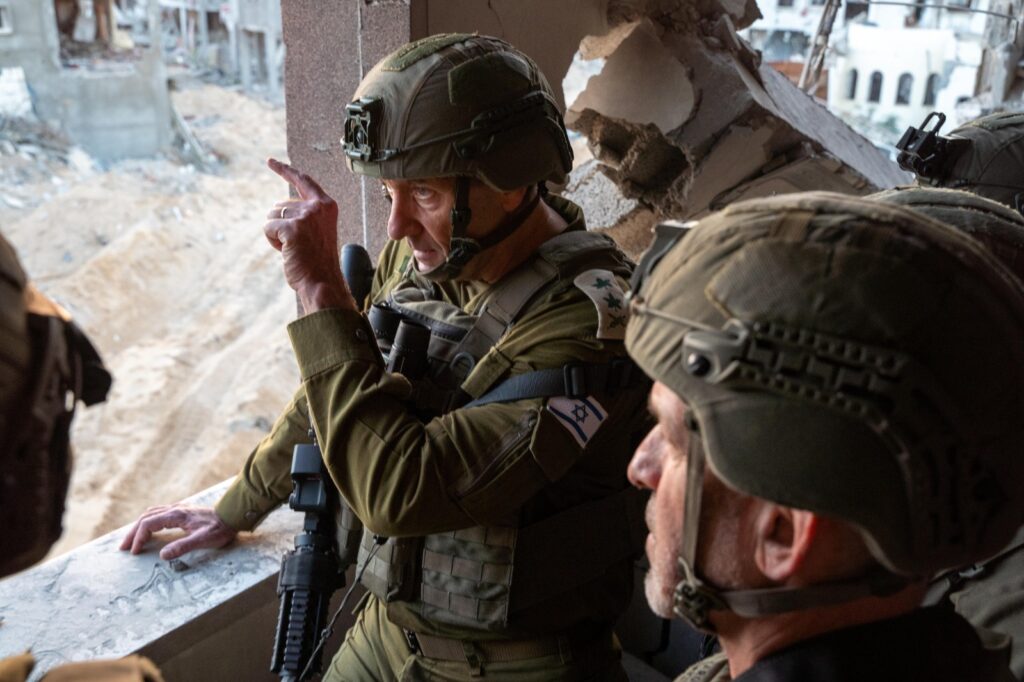
Nobody in the Israeli patrol knew who they were shooting at. Israel Defense Forces soldiers from the 828th Bislamach Brigade had been working the Tal al-Sultan area of Rafah, in southern Gaza, when they killed three fighters on 16 October 2024. One of the three was Yahya Sinwar, the Hamas leader Israel had hunted for more than a year.
Sinwar, 61, was believed to have spent most of that time underground, guarded by bodyguards and shielded by hostages. The reality was far smaller. His escort was thin, and no hostages were nearby.
How the patrol found him
At about 10:00 am, troops saw a suspicious figure going in and out of a building. They were ordered to engage. By 3:00 pm a drone had picked up three militants leaving the building, two of them draped in blankets and clearing the way for the third. The soldiers fired and the group split up. Two men ducked into one building. The third, later shown to be Sinwar, went into another and climbed to the second floor.
A firefight followed, and one Israeli soldier was badly hurt. A tank put a shell into the building where Sinwar was holed up, and infantry moved in to sweep it. He threw two grenades at them. One went off and one did not. The soldiers pulled back.
A drone sent in afterward found a wounded man with his face covered. He tried to swat the aircraft away with a stick. The troops still did not know who he was. Another tank shell and a MATADOR rocket hit the building, and machine guns raked it.
Identification
Soldiers returned the next morning to inspect the dead. One body bore a striking resemblance to Sinwar. It lay in a collapsed building, in fatigues, with a grenade and a gun. He also carried 40,000 shekels (£8,240) in cash, a lighter and a passport that belonged to a UNRWA teacher, not to him.
Suspected booby traps kept the body in place at first, so the troops cut off part of a finger and sent it to Israel for testing. The rest of the body was brought out later that day once the area was made safe.
Israel announced on Thursday afternoon that it was “investigating the possibility” that Sinwar was dead. Photos of a man with catastrophic head wounds spread on social media within minutes. By evening the tests were finished and Israel declared him “eliminated”. Israel Police said the body matched his dental records and fingerprints, and DNA testing backed that up. Hamas acknowledged his death on 18 October.
Chen Kugel, chief forensic pathologist at Israel’s National Center of Forensic Medicine, found that Sinwar died of severe traumatic brain injury from a gunshot to the head. That sat awkwardly with the IDF account that fighting ended after the tank shell.
Reaction
IDF spokesman Daniel Hagari said: “We didn’t know he was there but we continued to operate.” He said the military had for weeks been working in areas where intelligence placed Sinwar, and that Israel was now looking for his brother, Muhammad Sinwar, along with other Hamas military commanders.
Defence Minister Yoav Gallant offered a harsher verdict. “Sinwar died while beaten, persecuted and on the run,” he said, adding that he “didn’t die as a commander, but as someone who only cared for himself.”
Prime Minister Benjamin Netanyahu said Israel had “settled the score” but stressed that the war would go on until the 101 hostages still held by Hamas were home. President Joe Biden called it “a good day for Israel, for the United States, and for the world”.
Hamas political bureau member Basem Naim said the movement grows “stronger and more popular” with each loss of a leader, and that Hamas as a movement could not be eliminated. Hostage families in Israel said they hoped a ceasefire might now bring the captives home.
Brian Carter of the Institute for the Study of War argued the death would not change the course of the war, since Hamas still has capable commanders and wants to use hostages as leverage for a full Israeli withdrawal from Gaza.




