
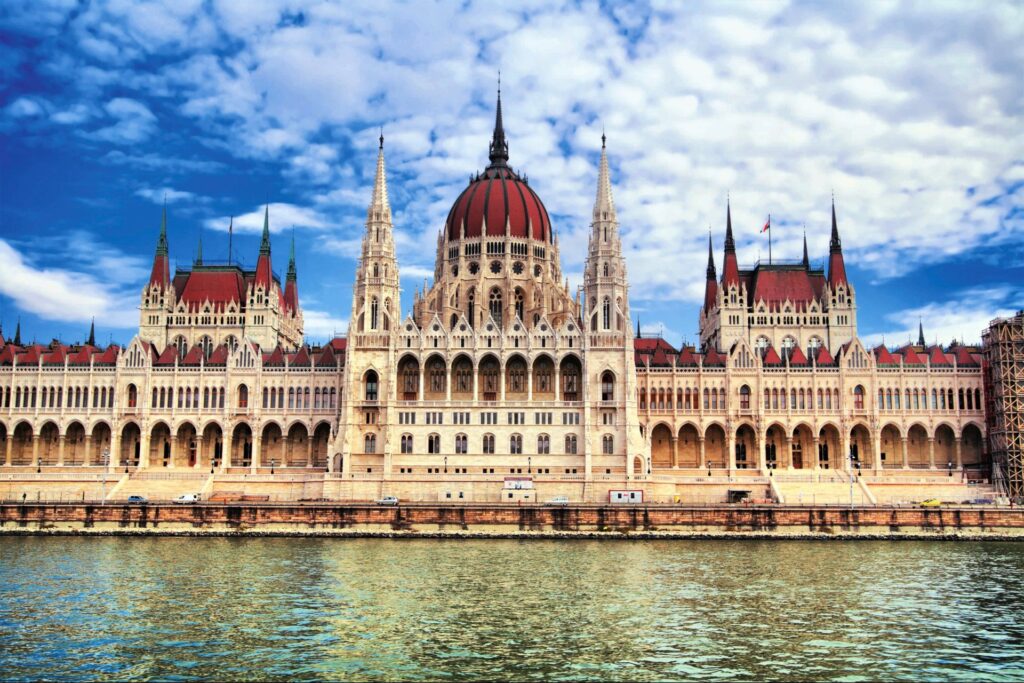
Five years, two terms at most, and a vote that can run over two days. That is the whole timetable for Hungary’s head of state, and the rules around it are stricter than the “ceremonial” label suggests.
The shift is in how the office is built. Under the Fundamental Law, the president is chosen not by voters but by Parliament. Any Hungarian citizen over 35 can serve, and the Constitution allows re-election only once. Nobody gets to settle in for a third stretch.
How the vote works
Candidates need backing before a ballot is even called. A written proposal from at least one-fifth of the members of Parliament makes a nomination valid, and each member may put forward one name. Nominate two and, according to the government’s own guide, both nominations are thrown out.
The vote is secret. A candidate who wins two-thirds of the votes of all members takes the job in the first round. If nobody does, a second round follows between the two leading candidates, and there the winner needs only a majority of valid votes, however many members turn up. Fail again and the process starts over with fresh nominations. The whole procedure has to finish within two consecutive days.
The speaker of the House sets the date. It falls no sooner than sixty and no later than thirty days before the sitting president’s mandate runs out, or within thirty days if that mandate ends early. The winner then swears an oath before Parliament and takes office when the old mandate expires, or eight days after the result if the post fell vacant early.
What the president can actually do
The prime minister runs the government, so the president is not an executive in the usual sense. But the powers are real. The president commands the Hungarian Defence Forces, represents the country, may speak in Parliament, may propose bills and referenda, sets the dates of general elections, and convenes the first session of a new Parliament. The Fundamental Law also lets the president dissolve Parliament.
On legislation the president has two options: send an adopted Act to the Constitutional Court to test it against the Fundamental Law, or return it to Parliament for another look. The president also proposes the people who will fill four posts: prime minister, President of the Curia, the chief prosecutor and the Commissioner for Fundamental Rights. Professional judges are appointed by the president too. Many of these decisions need a government member’s countersignature.
No side jobs, and a shield against prosecution
Article 12 bars the president from any other state, social, economic or political office. No other paid work is allowed either, with one exception: activities protected by copyright. The person of the president is inviolable, and prosecution can come only after the mandate ends.
A president can still be removed. If the holder wilfully breaks the Fundamental Law or commits a wilful offence, one-fifth of the members of Parliament can propose impeachment. It takes a two-thirds vote, by secret ballot, and the Constitutional Court conducts the proceedings. Watch this space for any future test of that threshold: in Hungary, two-thirds is the number that decides almost everything about this office.
Sources
- About Hungary – The Hungarian State – The President of the Republic
- Hungary 2011 Constitution (Fundamental Law, as amended) – Constitute Project




