
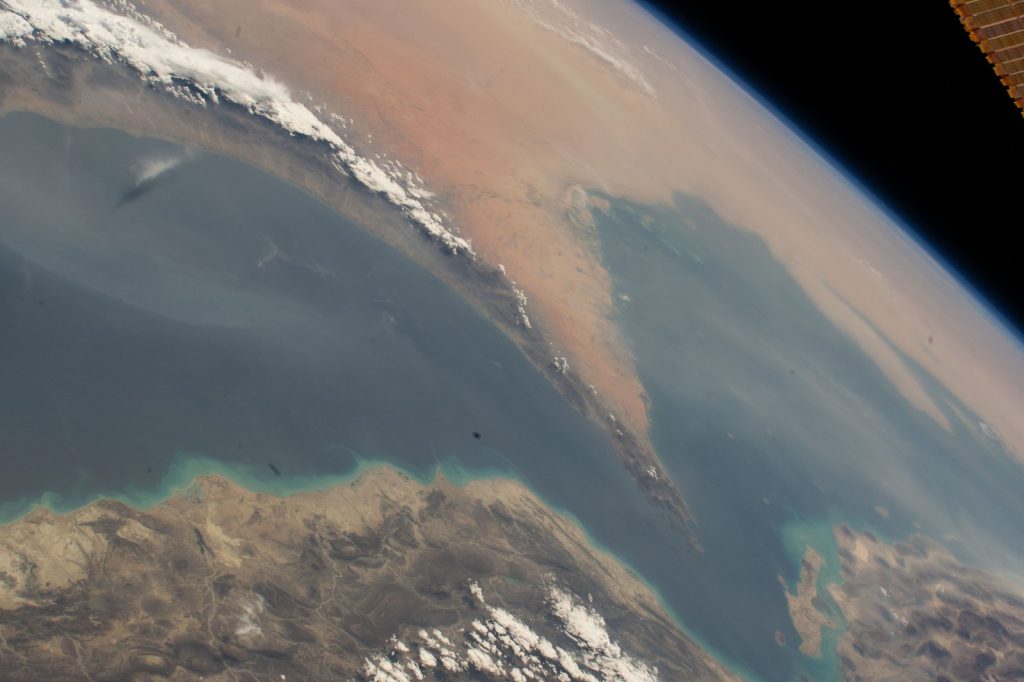
A policy concept first floated by the Trump administration in early 2024, which would have imposed fees on commercial vessels transiting the Strait of Hormuz, has never been formally introduced as legislation and remains under review by the National Security Council. The proposal, designed to offset the costs of decades of U.S. naval patrols in one of the world’s most critical energy chokepoints, encountered legal and diplomatic obstacles that prevented it from reaching the floor of Congress.
Policy Origins and Mechanics
The fee was conceived as a way to recoup expenses incurred by the United States for maintaining security operations in the Strait of Hormuz, a mission that has been ongoing since the 1980s. Under the plan, the U.S. Coast Guard or another designated agency would have been responsible for collecting the charge. Rates were to vary according to cargo type: higher fees for oil tankers and lower fees for container ships. The proposal drew comparisons to Iran’s ‘Hormuz Peace Endeavor’ (HOPE) initiative in 2019, which also sought to impose levies on vessels passing through the strait.
The concept belongs to the broader field of maritime security, which encompasses national security, economic activity, and safety at sea. Straits used for international shipping have long been arenas for geopolitical competition and interstate disputes.
Naval patrols in such chokepoints became common during the late twentieth century as states sought to keep trade routes open. The United States began sustained patrols in the Strait of Hormuz in the 1980s after threats to oil shipping in the region.
Legal and Diplomatic Hurdles
Critics argued that the proposed fee would violate international maritime law, specifically the United Nations Convention on the Law of the Sea, or UNCLOS. The United States is not a signatory to that treaty. Nevertheless, the legal and diplomatic hurdles proved too high for a formal bill to be introduced.
The proposal was never formally introduced as legislation and remains a policy proposal under review by the National Security Council. The idea of making users pay for transit through the strait is not new.
In 2019, Iran proposed its own version under the HOPE initiative. However, no such fee has been implemented by any government in the region. For now, the U.S. proposal sits with the National Security Council, having failed to advance beyond the review stage.
Broader Implications for Global Trade
The matter matters now because any fee on a major energy corridor affects freight costs and diplomatic relations. Readers who rely on global supply chains feel the effect when transit rules change. A cargo fee is a charge levied on commercial vessels for moving goods through a waterway or port. The Strait of Hormuz is one of the world’s most vital maritime passages, handling a significant portion of global oil shipments.
Changes to transit costs can ripple through international markets, influencing fuel prices and the cost of goods. The United States has absorbed the cost of keeping the world’s oil lanes open through the Strait of Hormuz since the 1980s.
Other governments have since proposed making transiting ships pay for security, including Iran with its initiative in 2019. The technical reality of the fee is worth unpacking because the detail that matters is how the fee was designed to work and why it never got past the review stage. For now, the proposal remains a policy concept sitting with the National Security Council, a reminder of the complex interplay between maritime security, international law, and global commerce.




