
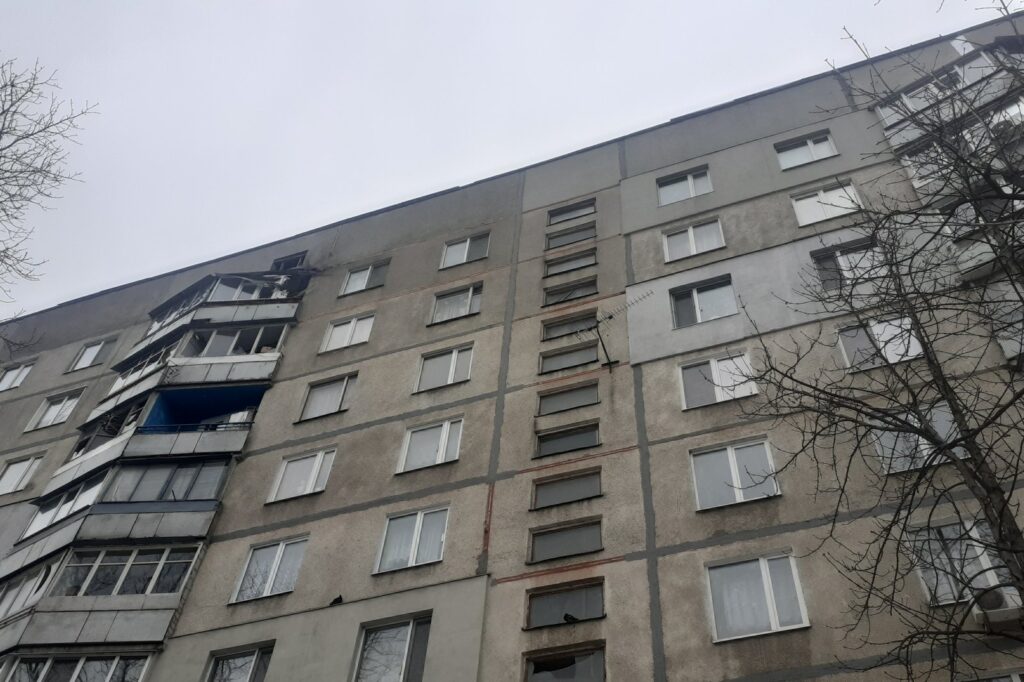
Ukrainian Foreign Minister Andrii Sybiha recently described a Russian-held town as a death trap where residents face starvation, highlighting the severe humanitarian toll of the ongoing conflict. As the Russo-Ukrainian War shifts into a grinding, long-term struggle, the transition from static trench warfare to high-intensity urban attrition has created a deepening crisis for civilians trapped in or near contested zones.
Historical Context and the Shift to Attrition
The Russo-Ukrainian War began in February 2014 following the Revolution of Dignity and the flight of then-president Viktor Yanukovych. Shortly after, unmarked Russian troops occupied Crimea, leading to an annexation following an illegitimate referendum. By April 2014, Russian-backed militants seized towns in the eastern Donbas region, proclaiming the Donetsk and Luhansk People’s Republics. Russia covertly supported these separatists with troops, tanks, and artillery, preventing Ukraine from retaking the territory.
This initial phase evolved into a static, trench-warfare style conflict. Although Russia and Ukraine signed the Minsk II agreements in 2015 to address the situation, these were never fully implemented. The frontlines remained largely stagnant for years, punctuated by naval incidents and cyberwarfare. In February 2022, Russia launched a full-scale invasion, marking the largest conflict in Europe since World War II. This escalation transformed the regional struggle into a nationwide crisis, resulting in a massive refugee wave and hundreds of thousands of deaths.
Infrastructure Strikes and Civilian Vulnerability
Current Russian military strategy increasingly relies on high-intensity drone and missile attacks against Ukrainian energy and industrial infrastructure. According to reports from October 2026, Russia launched hundreds of drones and missiles in a single 24-hour period, targeting multiple regions. These strikes have caused widespread power outages, affecting more than one million people.
The impact of these attacks is visible across various sectors. In the Volyn region, drone strikes against energy and industrial facilities in Lutsk, Manevychi, and Kovel caused significant damage and left approximately 370,000 customers without power. Attacks in the Rivne region struck residential areas, educational establishments, and a shopping complex. These strikes have resulted in civilian casualties and significant material damage, forcing the temporary suspension of public transport networks and essential services.
Strategic Implications of Security Zones
Russian leadership has recently outlined new territorial demands linked to potential peace negotiations. Vladimir Putin announced that the Russian military is establishing what he termed security zones inside Ukrainian territory along the common border. According to the statement, these zones are not subject to negotiation with Kyiv. This strategy creates a buffer that complicates the humanitarian situation for civilians living in these areas, as the territory remains under Russian control and outside the reach of Ukrainian governance.
Military officials in Russia, including Valery Gerasimov, have claimed control over numerous areas and localities. However, these zones are often described as diffuse and murky grey areas. This lack of clear territorial definition exacerbates the vulnerability of the civilian population, who remain caught between shifting frontlines and the systematic destruction of the infrastructure required for daily survival.
State Security and Internal Challenges
The war has also introduced complex internal security challenges for Ukraine. The state’s reliance on specialized units, such as the Russian Volunteer Corps (RDK), has created a difficult intersection between state control and potential criminality. The RDK, which operates under the auspices of Ukrainian military intelligence, is composed of Russian citizens, including individuals known for far-right views. While the unit has been used for hit-and-run attacks in Russian territory, its presence poses long-term political and security challenges for Ukraine.
A recent shootout in Kyiv between the civilian counterintelligence agency and members of the RDK highlighted these tensions. The incident involved the arrest of a Russian citizen suspected of spying while fighting for the unit. Experts, including Donald Bowser and Dr. Joana de Deus Pereira, have noted that such arrangements, where the state works with initially anti-state or extremist actors, create a profound security challenge. These units often operate with a degree of deniability, and there are concerns regarding potential entrepreneurial or criminal activities overseen by security patrons.
The combination of systematic infrastructure destruction and the presence of controversial security structures creates a volatile environment for Ukrainian civilians. As the conflict continues, the humanitarian crisis is compounded by the difficulty of managing internal security while sustaining a defense against high-intensity attrition warfare. With the suspension of many U.S. sanctions against Russia and the ongoing diplomatic efforts in Brussels, the long-term outlook for civilians in contested and occupied territories remains precarious.
Historical Context and the Shift to Attrition
The Russo-Ukrainian War began in February 2014 following the Revolution of Dignity and the flight of then-president Viktor Yanukovych. Shortly after, unmarked Russian troops occupied Crimea, leading to an annexation following an illegitimate referendum. By April 2014, Russian-backed militants seized towns in the eastern Donbas region, proclaiming the Donetsk and Luhansk People’s Republics. Russia covertly supported these separatists with troops, tanks, and artillery, preventing Ukraine from retaking the territory. The European Court of Human Rights later judged that Russia exercised control over these regions from 2014 onward.
This initial phase evolved into a static, trench-warfare style conflict. Although Russia and Ukraine signed the Minsk II agreements in 2015, the terms were never fully implemented in the following years. While the frontlines remained largely stagnant, the period was punctuated by naval incidents and cyberwarfare. In 2018, Ukraine formally declared the Donbas region to be occupied by Russia. This long-standing struggle shifted significantly in February 2022, when Russia launched a full-scale invasion, marking the largest conflict in Europe since World War II. This escalation transformed the regional struggle into a nationwide crisis, resulting in a massive refugee wave and hundreds of thousands of deaths.
Sources
- Russo-Ukrainian war
- “Things are not always as they seem”: Russo-Ukrainian War, Extremism, Criminality and State Meddling
- Russo-Ukrainian War – Day 1696: Trump lifts most of the sanctions against Russia – EUROPE SAYS
Photo: Kharkivian (Сергій Петров)If you have any questions please contact with me. Other photos see here.Якщо у Вас є якісь запитання будь ласка зв'яжіться зі мною. Інші фотографії Ви можете переглянути тут Attribution(required by the license)InfoFieldPhoto: Kharkivian (Serhii Petrov). From Wikimedia Commons. License CC BY-SA 4.0.Фото: Kharkivian (Сергій Петров). З Wikimedia Commons. Ліцензія CC BY-SA 4.0 / InfoFieldPhoto: Kharkivian (Serhii Petrov). From Wikimedia Commons. License CC BY-SA 4.0.Фото: Kharkivian (Сергій Петров). З Wikimedia Commons. Ліцензія CC BY-SA 4.0 / wikimedia (CC BY-SA 4.0)




