
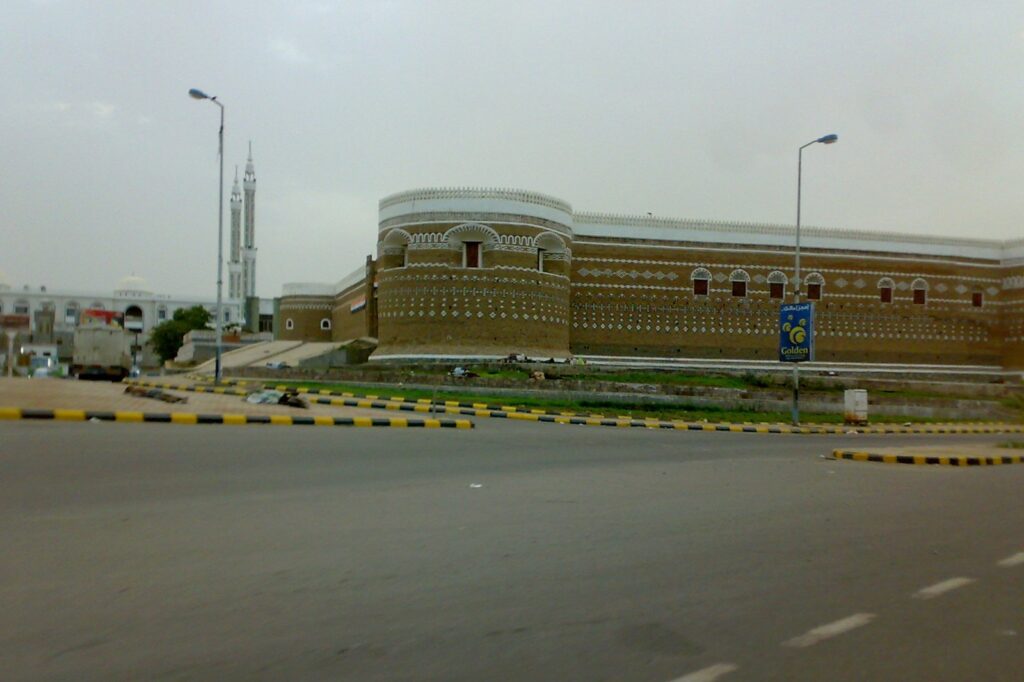
RIYADH, October 17, 2026 — The Saudi-led coalition released aerial footage showing strikes on Houthi weapons-smuggling operations in Hodeidah on October 16, 2026.
Strategic Importance of Hodeidah Port
Hodeidah, located on Yemen’s western coast, is a strategic Red Sea port under Houthi control since the group seized Sanaa in September 2014. The port has been a focal point of the conflict due to its role in weapons logistics. The coalition’s footage from October 16, 2026, showed airstrikes hitting trucks, small boats, and storage facilities in the city, targeting what it described as a Houthi weapons-smuggling operation. Houthi forces have historically used missiles and drones to target Saudi Arabia, including civilian infrastructure and airports, according to coalition reporting.
History of Iran-Houthi Military Supply Relationship
Since 2014, the Houthi-led Supreme Political Council has controlled much of Yemen’s western territories, including most of the national Red Sea coastline, and has received support from Iran. The Houthis began launching missiles and armed drones at Israel following the outbreak of the Gaza war, and have seized or attacked merchant and naval vessels in the Red Sea. The group declared that it would not stop until Israel ceased military operations in Gaza. To avoid attacks, hundreds of commercial vessels were rerouted to sail around South Africa.
Impact on Red Sea Maritime Security
The Bab Al-Mandab Strait is a critical chokepoint for international shipping and energy supplies between Europe and Asia. Disruption of maritime traffic in the Red Sea forces vessels to take longer routes, increasing global supply chain costs. In January 2024, the UN Security Council adopted Resolution 2722, condemning Houthi attacks and affirming freedom of navigation. The United States-led Operation Prosperity Guardian was launched to protect Red Sea shipping. From January 12, 2024, the US and UK led coalition air and missile strikes against the Houthis, while other countries independently attacked Houthi vessels in the Red Sea. The Houthis halted their attacks on international shipping and on Israel after the Gaza peace plan went into effect on October 10, 2025. As of May 2026, daily traffic through the strait was around 31 ships per day, remaining below pre-war levels.
Role of Bab Al-Mandab Strait in Regional Power Projection
The Bab Al-Mandab Strait links the Red Sea with the Gulf of Aden and the Arabian Sea, serving as a key route for international shipping and energy supplies traveling between Europe and Asia through the Suez Canal. Houthi threats to disrupt traffic through the strait have raised concerns over regional maritime security. The coalition’s continued support for Yemen’s internationally recognized government includes confronting Houthi military activity, particularly weapons smuggling through Hodeidah. The movement’s control of Sanaa and other parts of northern Yemen remains a major obstacle to a comprehensive political settlement. The coalition did not provide further details in the October 16 footage about specific targets, weapons allegedly being smuggled, or the extent of the damage.
Recent Coalition Airstrikes on Houthi Smuggling Infrastructure
On October 16, 2026, the Saudi-led coalition released aerial footage showing strikes on Houthi weapons-smuggling operations in Hodeidah, a strategic Red Sea port under Houthi control since the group seized Sanaa in September 2014. The nearly six-minute black-and-white video, dated and located at its opening, depicted apparent airstrikes hitting trucks, small boats, and what appeared to be storage facilities in the city.
The footage was posted on X by coalition spokesman Maj. Gen. Turki Al-Maliki shortly before midnight on Saturday, October 16, 2026. The coalition described the operation as targeting a Houthi weapons-smuggling network but did not provide further details in the video about specific targets, the weapons allegedly being smuggled, or the extent of the damage caused by the strikes.
Hodeidah’s location on Yemen’s western coast makes it a focal point of the conflict due to its role in weapons logistics, and the reported strikes occurred amid ongoing concerns over weapons transfers and threats to regional maritime security. The Iran-backed Houthi movement has been fighting Yemen’s internationally recognized government since seizing the capital, Sanaa, in September 2014.
Houthi Military Operations Against Saudi Arabia
Beyond their maritime activities, the Houthi movement has frequently utilized their arsenal to strike targets within Saudi Arabia. The group has repeatedly launched missiles and drones toward the kingdom, specifically aiming at military installations and civilian infrastructure. These offensive operations have resulted in significant casualties, including a deadly strike on Riyadh’s King Khalid International Airport that reportedly killed 13 people.
These attacks against Saudi territory have occurred alongside the group’s ongoing conflict with Yemen’s internationally recognized government, which the Houthis have fought since seizing the capital, Sanaa, in September 2014. Following the collapse of the political transition, Houthi fighters advanced into the capital and took control of key government institutions. The movement’s continued control of Sanaa and other parts of northern Yemen remains a major obstacle to a comprehensive political settlement, even as the Saudi-led coalition continues to support the internationally recognized government and confront Houthi military activity.
Houthi Use of Iranian-Made Weapons in Maritime Attacks
The Houthi movement has employed Iranian-made weapons in its maritime operations, including anti-ship cruise missiles and explosive-laden unmanned surface vessels. These systems have been used to target commercial and naval vessels in the Red Sea and the Bab Al-Mandab Strait. According to coalition reporting, the Houthis have launched missiles and drones at Saudi Arabia, including strikes on King Khalid International Airport in Riyadh that reportedly killed 13 people.
The group’s access to such weaponry is linked to Iran’s support, which has enabled the Houthis to sustain their arsenal despite interdiction efforts. Iranian military assistance has included the transfer of components and technical guidance for weapon systems used in attacks on shipping. This support has allowed the Houthis to maintain a capability to threaten maritime traffic through the Red Sea chokepoint.
Coalition strikes in Hodeidah on October 16, 2026, targeted suspected weapons-smuggling operations, including trucks, small boats, and storage facilities. The footage released by the Saudi-led coalition showed apparent airstrikes hitting these locations, though it did not specify the exact types of weapons being moved or the scale of the smuggling network. The operation underscored the port’s role as a conduit for materiel that enables Houthi maritime attacks.
Sources
- Red Sea crisis
- Coalition releases footage of strikes on Houthi weapons-smuggling operation in Hodeidah
- Saudi-led coalition says it targeted Iran-backed Houthi weapons smuggling operations
Photo: MAHMOUD (CC BY 3.0)




