
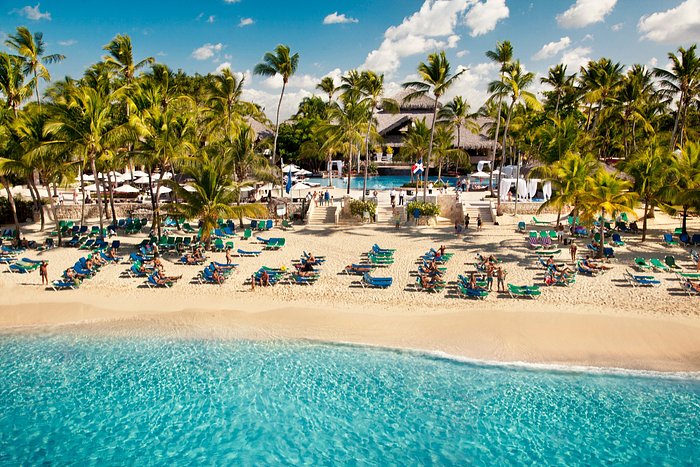
The palm-thatched roofs that give Caribbean resorts their postcard charm are now at the center of an investigation in Bayahibe. The fire that tore through the Viva Wyndham Dominicus Beach Hotel on Tuesday killed a 46-year-old Italian tourist and forced 1,700 guests to flee. The roofs, local authorities said, were made of palm.
They burned fast. Wind pushed the flames.
Francesca Valentino, the woman who died, was a guest at the hotel. The DAEH emergency service confirmed her death and reported that several other people were taken to medical facilities. Some were treated on site.
The fire did not reach the neighboring Viva Wyndham Dominicus Palace, part of the same chain. That property is undamaged.
The immediate fallout is logistical. Nearly two thousand tourists had to leave the hotel. Many were relocated to other hotels in the area.
For a beach town that depends on seasonal visitors, the sudden movement of that many people is a strain on local resources and on the hotels that absorbed them. The country’s Emergency Operations Center moved quickly to contain the disruption. The COE issued a statement assuring that tourist activities in Bayahibe and the surrounding area remain unaffected and continue to take place safely and as normal.
That assurance matters. The Dominican Republic is the Caribbean’s top tourist destination.
The economy of Bayahibe, a town known for clear water and white sand, is built on the visitors who fill its hotels. A fire that kills a guest and forces a mass evacuation does not just damage one building. It sends a signal.
The COE’s statement is an attempt to control that signal before it spreads further than the flames did. Wyndham Hotels and Resorts, which franchises the hotel, issued a response.
The company expressed sadness at the guest’s death and sent its thoughts to her family. The statement did not address the roof construction or the wind conditions that authorities said contributed to the fire’s speed. The investigation into the cause is ongoing.
The question that follows is not just about this one fire. It is about the building materials used in resorts across the Caribbean. Palm thatch is cheap, it looks authentic, and it is flammable.
Tourists pay for the aesthetic. If the fire investigation confirms that the roof material turned a manageable incident into a fatal one, the fallout will reach beyond Bayahibe.
Hotel chains that franchise properties under their brand names will face pressure to review construction standards. Insurance premiums for thatched-roof resorts could rise. Local building codes may get a second look.
For now, the immediate consequences are contained. The dead woman’s family has been notified.
The injured are being treated. The evacuated tourists are in other hotels. The hotel itself is a crime scene.
The local economy, for the moment, is still running. But the fire leaves a mark. Bayahibe will have to answer for its palm roofs before the next tourist season arrives.




