“You cannot have a ceasefire from one side, it’s going to be an all side or no ceasefire,” said Sami, who has run a shop in Beirut’s southern suburbs for 25 years. He had just heard that Israel and Lebanon had renewed their fragile truce. He wasn’t buying it. Strikes had hit Lebanon that very Thursday, he told the BBC, so what did that make this? “This is surrender. This is not a peace agreement. This is a surrender agreement.”
The man leading Hezbollah agreed. Naim Qassem, head of the Iran-backed group, called the negotiations “futile” and “humiliating” for Lebanon in a strongly worded statement, and said broad segments of the Lebanese people rejected them categorically. Hezbollah was not part of the talks.
What the deal says
The agreement came after a fourth round of US-mediated talks in Washington. It sets up “pilot” security zones inside Lebanon where Hezbollah operatives would be banned, and requires the group to stop attacking Israel. It depends on the “evacuation of all [Hezbollah] operatives” from the area between the Israeli border and the Litani river, about 30km (19 miles) north, which Israeli ground forces now occupy. The US would help guide creation of zones where the Lebanese Armed Forces take exclusive control. No maps were released, and nothing explains how the zones would work. A partial ceasefire announced on Monday had Israel holding off bombing Beirut in exchange for Hezbollah not attacking Israel.
Qassem said the “supposed ceasefire” amounted to surrender and would fulfil Israel’s goals. President Joseph Aoun said it could be implemented within 24 hours of final approval by all parties. Delegations are due to meet again on 22 June.
Donald Trump said he had spoken with Hezbollah and Israeli Prime Minister Benjamin Netanyahu and that progress was being made. “It would be really nice if Lebanon could have some peace,” he said.
Fighting goes on
Israeli Defence Minister Israel Katz said the military would “for the time being, continue its fire and operations on the ground.” Lebanon’s state-run National News Agency said five people were killed in strikes on the Bekaa Valley town of Sohmor, and a sixth in Maaroub when an Israeli aircraft hit a motorcycle. The health ministry later reported at least eight dead and 15 wounded in strikes on Sohmor, Masaken and Arab Al-Jalil.
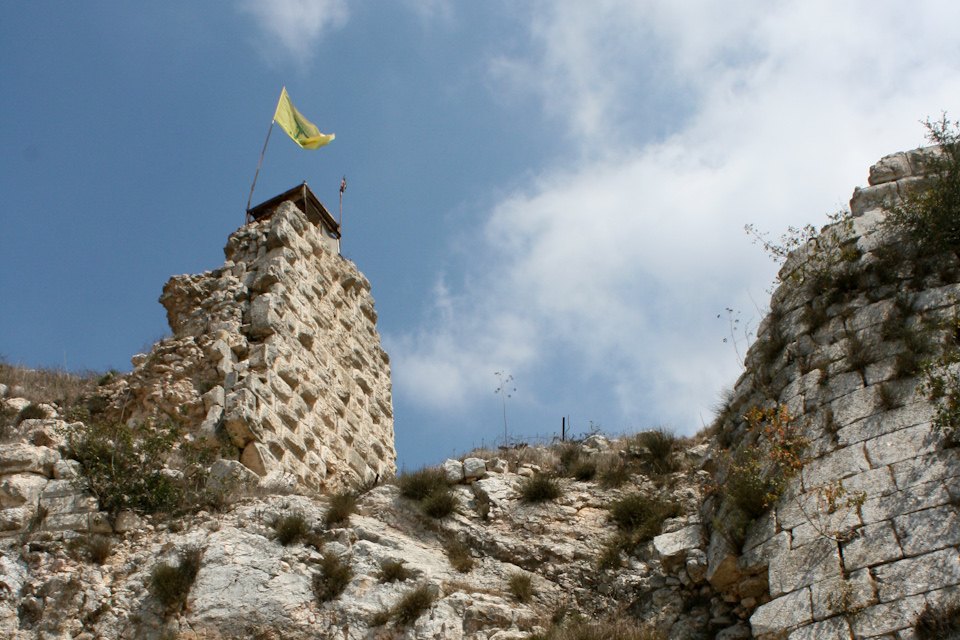
A UN peacekeeper died of wounds after mortar shells struck his position near Marjayoun late on Wednesday. Serbia’s defence ministry named him as Senior Sergeant Milovan Jovanovic. The Israeli military blamed Hezbollah for the mortars. Separately, Israel announced that Capt Eitan Shmuel Lemberg had been killed in southern Lebanon. Hezbollah said it targeted Israeli troops and vehicles near Qantara and Beaufort Castle with drones and rockets.
Lebanon was pulled into the war between the US, Israel and Iran on 2 March, when Hezbollah fired rockets into Israel after an Israeli strike killed Iran’s supreme leader. At least 3,526 people have died in Lebanon since, according to its health ministry, which does not separate combatants from civilians. More than one million people have registered as displaced. Israel says 26 of its soldiers and four civilians have been killed.