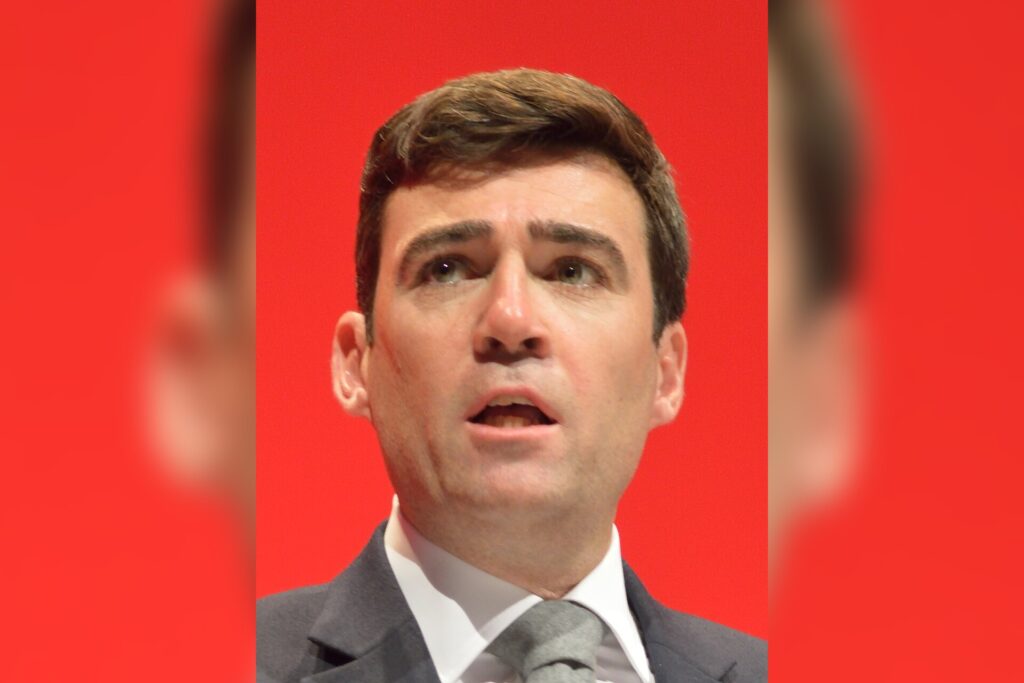
Andy Burnham has told his backers he will not rewrite the government’s borrowing rules, and bond traders noticed. The Greater Manchester mayor’s campaign confirmed to BBC News on Monday that changing the fiscal rules was no longer an option.
The clarification followed a bad Friday for UK borrowing costs. They rose as markets weighed the chance that Burnham could win the Makerfield by-election and then a Labour leadership contest, alongside wider global turmoil. By Monday the UK 10-year gilt yield, the effective interest rate on a 10-year loan to government, had fallen back. The fall was put down to Burnham’s attempt to calm markets, BBC economics editor Faisal Islam reported.
A former minister who backs Burnham told the BBC: “He has committed to the rules as they are. It is totally essential. He understands the cost of borrowing is a huge constraint on government.”
Market reaction
Bond market expert Mohamed El-Erian said Burnham’s comments “contributed to this morning’s outperformance of the UK bond market.” Spelling out his approach made “total sense” at a time of global bond market turbulence, he said.
Burnham himself said “there needs to be a plan to get debt down.” Beyond that, he added, “we need to change politics and take the turbulence out of British politics because that is a cause of uncertainty that then has that impact in the markets.”
The main rules cap how much the government can borrow to pay for day-to-day spending. They also require debt as a share of national income to be falling by the end of the Parliament, expected in 2029. According to Islam, the biggest driver of rising government bond yields has been the US-Israel war with Iran and the prospect of a prolonged blockade of the Strait of Hormuz. Those pushed up expectations for inflation and interest rates and sent many G7 borrowing costs to multi-decade highs.
What it means for his plans
Burnham is thought to want more investment in infrastructure, including housing and transport. Sticking to the current rules may force tough choices on tax or on other spending such as welfare, Islam wrote. As mayor, Burnham has been among the leading supporters of high-speed rail in the North of England, and of reviving some form of high-speed line between Birmingham and Manchester after phase 2 of HS2 was cancelled. The Gulf turmoil and bond rout have led to a reining-in of his plans for reform in this area.
Some think tanks friendly to Burnham, including the Tribune group, have drawn up plans to loosen the rules for extra investment. Even those would wait years for a surplus before reform.
Political reaction
Conservative shadow chancellor Mel Stride warned of a “Burnham penalty.” He said the country faced “the prospect of a new prime minister coming in with a plan to borrow even more.” A Burnham spokesperson answered that the Conservatives represented “the failed economics” that had “sucked wealth and power out of places like Makerfield for 40 years.”
Chancellor Rachel Reeves has defended her rules as a source of stability. They give bondholders “the confidence to carry on buying those bonds,” she has argued. She told a parliamentary committee last year: “We are still very reliant on the goodwill of strangers in buying our government bonds.”