
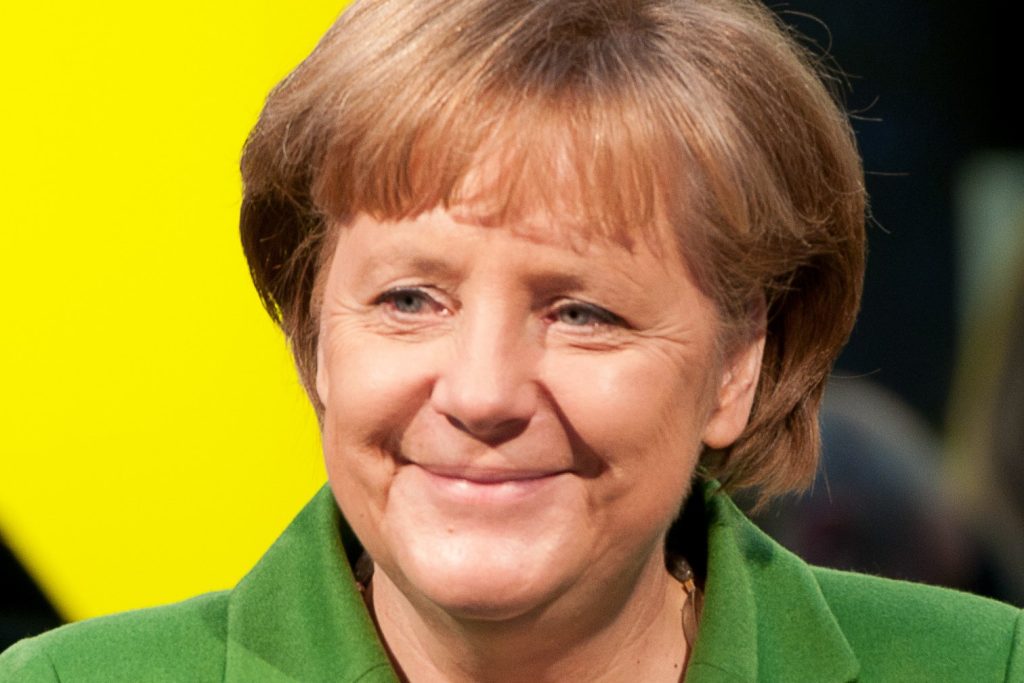
On 19 January 2020, Chancellor Angela Merkel convened senior officials to tackle a growing controversy over the involvement of Chinese firm Huawei in Germany’s rollout of 5G mobile infrastructure. The meeting came as the issue split the governing coalition, with some parliamentarians demanding the exclusion of Huawei from the network, while others warned that a ban could delay deployment and raise costs.
The dispute mirrors pressure from Washington, where the United States has warned allies that Huawei equipment may pose security threats. U.S. officials have repeatedly cited the possibility of “hidden back doors” that could allow the Chinese government to intercept data on users’ home networks. Those concerns were amplified by Bloomberg reports linking Huawei hardware to potential espionage, and by statements from the Trump administration, which imposed sanctions on the company and urged partners to seek alternative suppliers.
In Germany, the debate intensified after the Social Democratic junior coalition partners introduced a bill that would bar telecom vendors from nations lacking “constitutional supervision.” The proposal called for the removal of any supplier deemed “untrustworthy,” effectively targeting firms like Huawei that are perceived to be under Chinese state influence. Huawei, headquartered in Shenzhen, has consistently denied accusations that its equipment could be used for spying or sabotage.
German customers of the firm have argued that a prohibition would force the country to spend additional billions of euros and extend the timeline for nationwide 5G coverage by several years. The German telecom regulator has estimated that a ban could cost the industry billions and push back the rollout schedule significantly. China’s ambassador to Germany, Wu Ken, warned that a total ban on Huawei would provoke retaliation, underscoring Beijing’s readiness to defend the company’s market access.
The Chinese government has publicly backed Huawei and criticized efforts by the United States and other nations to limit its participation in 5G networks. Germany’s major telecom operators have already incorporated Huawei hardware into their emerging 5G infrastructure.
Should the government decide to exclude the Chinese vendor, operators would need to replace the equipment with alternatives from other suppliers, a process that could disrupt ongoing construction and increase overall expenses. U.S. trade representative Robert Lighthizer reiterated America’s commitment to safeguarding national security, stating that the United States would take “all necessary steps” to prevent the use of equipment that could facilitate espionage. The United States continues to work with European allies to develop diversified supply chains for 5G technology, aiming to reduce reliance on Chinese manufacturers.
Merkel emphasized that the German government’s priority is the security and integrity of the nation’s 5G network. She pledged that the administration would take the required measures to protect the infrastructure from any potential threats, while also weighing the economic and strategic implications of a Huawei ban.
The outcome of Germany’s deliberations is expected to set a precedent for other European countries grappling with similar choices. A decision either to retain Huawei as a supplier or to remove it will have lasting effects on Germany’s telecommunications landscape, its relationship with the United States, and its broader ties with China.




