
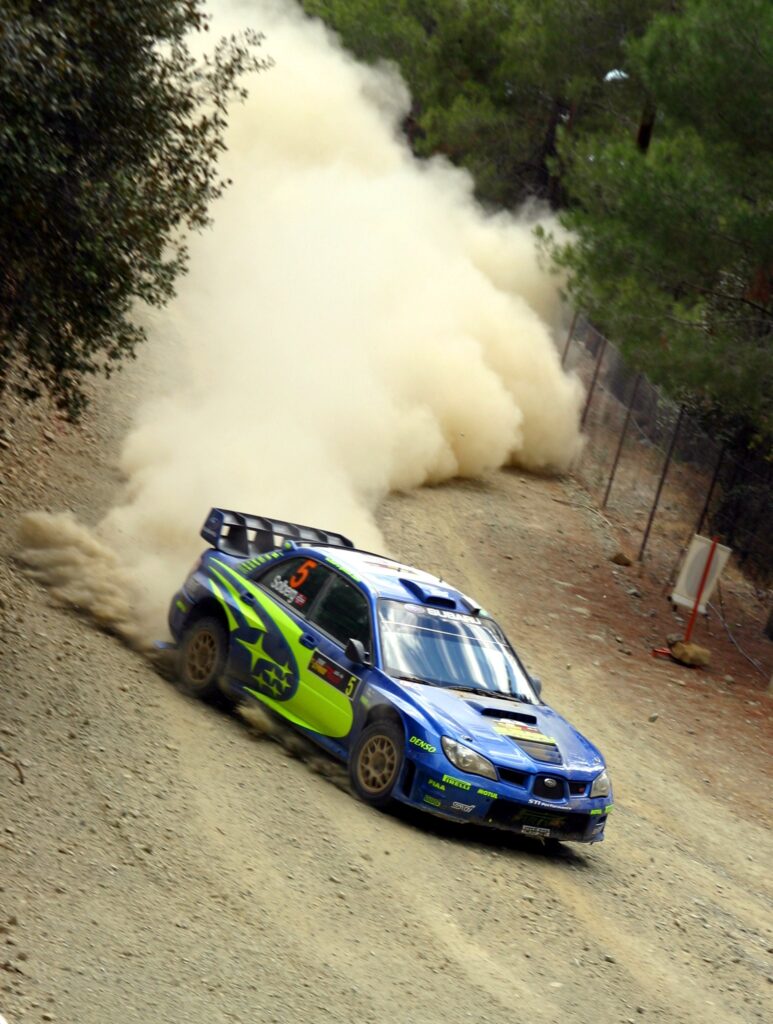
On 24 March 2024, a rally car participating in the Esztergom‑Nyerges Rally left the road between the villages of Lábatlan and Bajót in north‑west Hungary, colliding with a crowd of on‑lookers. The impact killed four people and wounded eight others, prompting an immediate outcry over spectator safety at motorsport events.
The rally, which is run on public roads, involves competitors navigating a series of speed and navigation tests. While the sport is celebrated for its excitement, the accident highlighted the inherent dangers for those watching from the sidelines. Authorities have opened an investigation to determine whether existing safety protocols were adequate and why the vehicle was able to breach the spectator area.
Initial reports suggest that the car may have left the designated route and entered a zone occupied by fans, raising questions about the effectiveness of barriers, crowd placement and other protective measures that are normally required for events held on open roads. The investigation is also expected to examine the condition and compliance of the rally vehicle, which, as a production model, must be road‑legal when used on public thoroughfares.
The motorsport community has expressed deep sorrow and called for a thorough review of safety standards. Organisers of the Esztergom‑Nyerges Rally are likely to face scrutiny regarding the precautions taken before and during the competition, and whether the event’s layout on public roads contributed to the tragedy. Beyond the immediate safety concerns, the crash has reignited discussion about the environmental impact of rallying. Motorsports rely heavily on fossil‑fuel‑powered vehicles, contributing to air and noise pollution.
Industry observers have pointed to renewable energy sources—such as solar and wind power—as possible ways to reduce the carbon footprint of future events. Stakeholders argue that adopting greener technologies and stricter environmental policies could not only lessen pollution but also improve overall safety by encouraging the use of newer, more reliable equipment.
The incident therefore serves as a reminder that the sport’s future may hinge on balancing excitement with both spectator protection and sustainability. As the inquiry proceeds, officials are expected to assess the rally’s safety record, the adequacy of crowd‑control arrangements, and the technical state of the participating vehicle. Findings could lead to revised regulations for public‑road rallies across Europe, with a stronger emphasis on keeping spectators at a safe distance and on ensuring that all competition cars meet rigorous maintenance standards.
The loss of four lives and the injuries to eight more have left a lasting impact on the local community and the broader rallying world. Families of the victims, emergency responders and fellow competitors have all voiced grief, while also urging authorities to act swiftly to prevent a repeat of such a tragedy.
In the coming weeks, the outcome of the investigation will likely shape how rally events are organized, potentially prompting tighter controls on spectator zones, enhanced vehicle inspections and a push toward more sustainable practices within the sport. The Esztergom‑Nyerges Rally incident underscores the urgent need for motorsport organisers to prioritize both safety and environmental responsibility as the industry looks ahead.




