
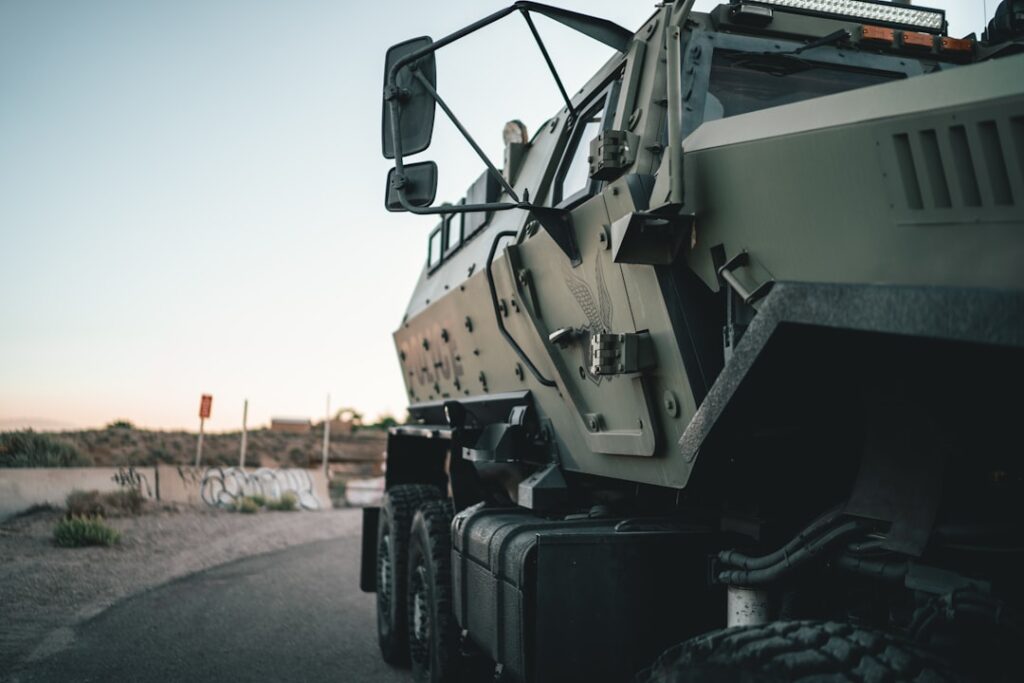
A tragic accident in the Central African Republic has claimed the lives of five United Nations police officers, all from the Democratic Republic of the Congo. The incident occurred on September 17 when the armored personnel carrier they were traveling in crashed through a bridge and plunged into a river near the capital, Bangui. The officers were part of the MINUSCA peacekeeping mission, and none survived the crash. The loss represents a significant blow to the United Nations Police, which currently deploys more than 11,530 officers across 11 peacekeeping operations and six special political missions globally.
Each of these missions relies on experienced personnel, and the deaths remove five seasoned officers from the roster. The Democratic Republic of the Congo, a longstanding contributor of troops to UN missions, is expected to feel the impact acutely.
The incident may prompt renewed debate in Kinshasa regarding the risks faced by its police and military personnel serving abroad. For MINUSCA, the accident creates a serious operational challenge. The mission was already operating under strain in a country marked by persistent instability and conflict.
Infrastructure in the Central African Republic remains poor, with bridges often makeshift or poorly maintained and roads becoming impassable during rainy seasons. The armored carrier was crossing one such bridge when it failed.
The terrain itself poses a constant hazard for UN patrols, a reality that every convoy faces daily. Internal reviews will now examine safety protocols, including whether roads were inspected and bridges load-tested before the convoy passed. Findings could lead to rerouted convoys, additional equipment, or the designation of certain routes as too dangerous.
Any such changes would slow the movement of personnel and supplies, hampering MINUSCA’s ability to support the Central African government in maintaining peace. Slower logistics translate to slower responses in a country where armed groups control large areas and civilians remain vulnerable.
The international community has closely monitored the Central African Republic since a rebellion ousted the government in 2013, leading to cycles of violence. The UN presence aims to stabilize the situation and protect civilians. Each peacekeeper death erodes mission morale and may reduce the willingness of contributing nations to deploy their personnel.
Memorials and official condolences will follow, and the officers’ bodies will be repatriated to the DRC, with UN support for their families. However, the practical consequences will endure.
MINUSCA must fill five vacant posts, requiring the recruitment of officers willing to serve in a dangerous, infrastructure-poor environment—a time-consuming process the mission can ill afford. The accident also underscores the Central African Republic’s reliance on external security forces, highlighting the state’s inability to secure its own infrastructure. The collapsed bridge stands as a symbol of broader governmental weakness.
In the aftermath, the UN will investigate the crash, contributing countries will reassess their commitments, and the mission will continue with reduced capacity. The incident serves as a stark reminder of the thin margin for error in such a challenging operational environment.




