
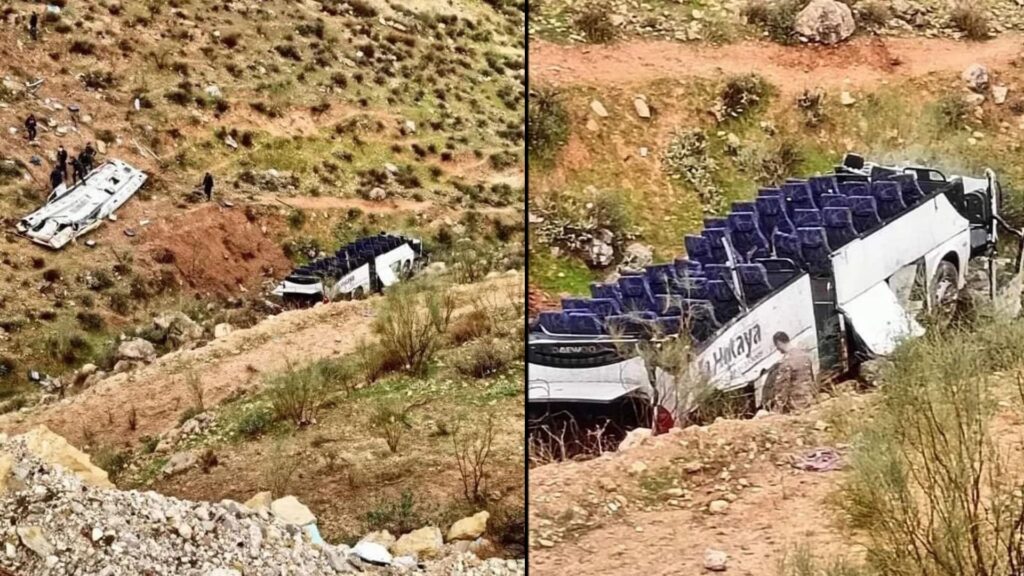
On 13 December 2023 a passenger bus lost control while descending a steep, winding road in the Balqa Governorate of Jordan, sliding down the mountainside and triggering a major accident. Emergency crews responded quickly, transporting the injured to nearby hospitals.
The crash claimed five lives and left 35 people with injuries ranging from minor to serious. Balqa, situated northwest of Amman, is one of Jordan’s most densely populated governorates. It ranks fourth in population among the country’s twelve governorates while covering the tenth‑largest land area.
The terrain is dominated by mountains, hills and valleys, a landscape that presents ongoing challenges for road safety and infrastructure development. Authorities have opened an investigation to determine the exact cause of the mishap.
Preliminary assessments suggest a possible mechanical failure or loss of vehicle control on the steep, curvy route, but the final report will identify definitive factors. Findings are expected to shape future safety measures, such as the installation of guardrails, stricter speed limits and more frequent vehicle inspections. The incident underscores longstanding concerns about transportation safety in Jordan’s mountainous regions.
While local officials have been working to upgrade roads and improve the transport network, the accident highlights the need for continued investment in safety infrastructure and emergency response capabilities. In the wake of the tragedy, community members in Balqa have gathered to mourn the five victims and support those injured.
The swift action of rescue teams and medical personnel has been widely praised, though the scale of the crash has reignited calls for a comprehensive review of road conditions across the governorate. Jordan’s broader development agenda includes a focus on renewable energy, with government projects expanding solar and wind capacity to lessen dependence on imported fossil fuels. Proponents argue that a stronger, greener economy can free resources for critical public services, including road maintenance and emergency care. Environmental stewardship also features prominently in national policy.
Efforts to curb pollution, conserve water and protect biodiversity are ongoing, but officials acknowledge that further steps are required to safeguard the country’s natural heritage. The Balqa accident, occurring in a region known for its scenic landscapes, serves as a reminder that infrastructure and environmental priorities must progress together.
Looking ahead, the investigation’s conclusions are expected to inform a set of recommendations aimed at preventing similar disasters. Potential actions include reinforcing high‑risk stretches of road with safety barriers, imposing more rigorous speed controls, and ensuring regular mechanical checks of public transport vehicles. Jordan’s government, local authorities and citizens are being urged to collaborate on these initiatives, balancing the need for economic growth with the imperative of protecting public safety and the environment.
As the nation reflects on the loss of life and the many injured, the incident reinforces the importance of sustained investment in both road safety measures and sustainable development strategies.




