
Labour had lost a net total of nearly 500 council seats, and only just over half of the councils had declared. That was the position when Fox News reported on Thursday’s local elections in England, which left Prime Minister Keir Starmer facing open calls from his own MPs to name a date for his departure.
Local elections work as a rough referendum on the governing party and its leader. This one went badly for Labour. Jon Trickett, a Labour MP, said many voters he represents in the north of England felt the government had not delivered the change they voted for. “They’re angry, they’re upset, they feel let down,” he said. “The party, the leadership, must change with immediate effect if we want to recover.”
Starmer accepted responsibility for the losses but turned down calls to quit at once. He said he was “not going to walk away and plunge the country into chaos.” He did not rule out a managed exit, though.
Reform UK’s gains
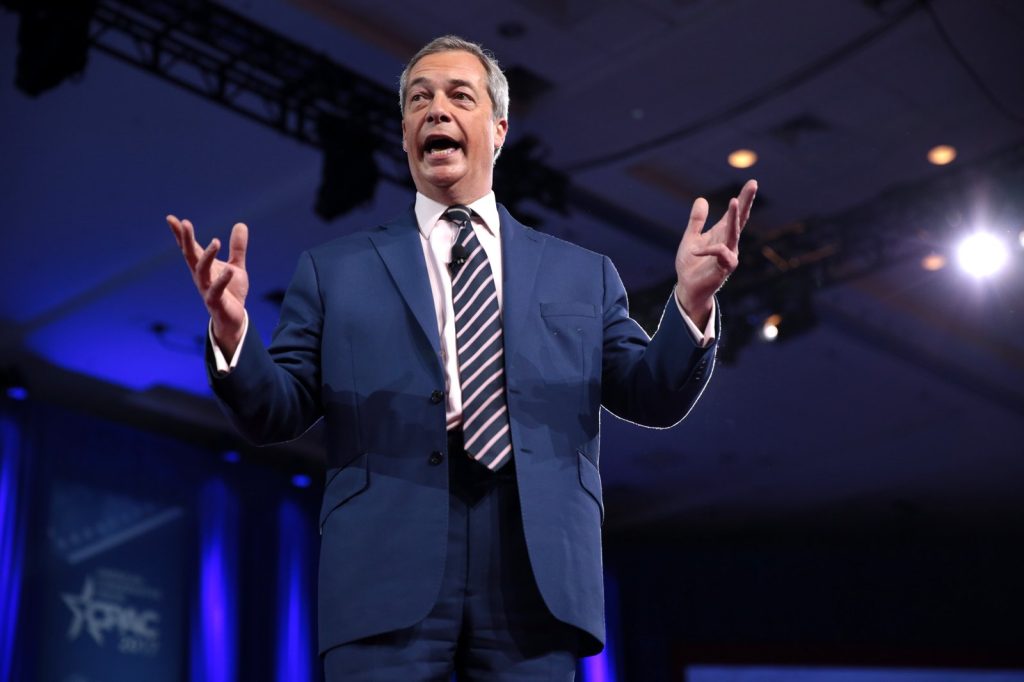
The biggest winner was Nigel Farage’s Reform UK, up by a net of about 650 seats at the time of writing. It did best in post-industrial towns across northern and central England, including many seats in the “Red Wall,” the band of constituencies that long supported Labour. Its pitch was a hard line on immigration, tax cuts and the repeal of environmental policies it said held back growth.
Farage, a friend and ally of President Trump, could not resist a joke at Starmer’s expense. “Personally, I’ll be very sad to see the Prime Minister go,” he told supporters. “He’s the greatest asset we’ve got.” He called the night a “historic change in British politics.”
Alan Mendoza, executive director of the London-based Henry Jackson Society, told Fox News Digital that “the era of two-party politics is definitively over.” In his view, Labour and the Conservatives had been routed nationally, and in places had “ceased to exist as a meaningful force.”
Defections to the left
Labour did not only bleed to the right. In city centers and areas near universities, it lost ground to the Green Party and to independents, many of them Muslim candidates. Greens made the government’s approach to the war in Gaza, which they see as too close to Israel, central to their campaign. Zach Polanski, the party’s head, said on election day that “Palestine is one of the elements on the ballot.”
A poll taken before the vote found roughly 60% of Muslim voters would consider backing a pro-Palestinian independent to keep Labour from winning locally, and about half would consider the Greens. The same poll found they rated support for Palestinians above the economy. Independents and Greens together had gained a net of approximately 90 seats.
The Conservatives fared little better. Their net loss stood at roughly 300 local seats.
The contests covered more than 5,000 seats across 163 English councils and six mayorships. Scotland and Wales also elected their semi-autonomous parliaments on the same day.
Sources
- Trump ally Nigel Farage deals major blow to Starmer in local UK elections as resignation calls mount




