
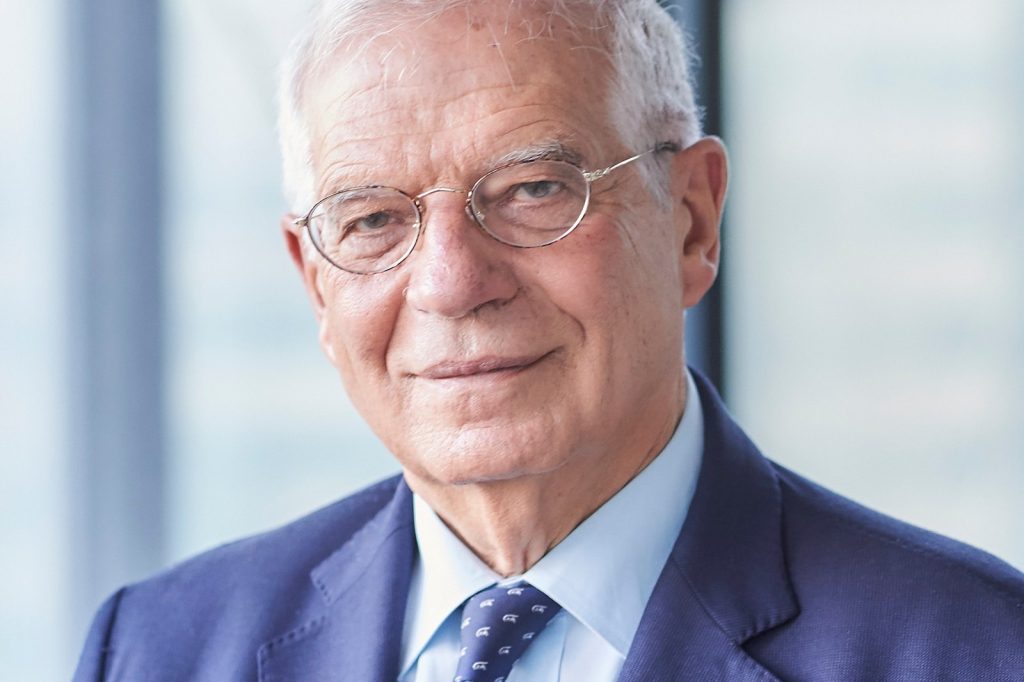
“Russia’s actions will not weaken our resolve.” With that line, European Council President Antonio Costa announced on X on October 12 what he called the largest single expansion of the EU’s sanctions list since Russia launched the war on Ukraine in 2022. The pressure would keep rising, he promised, until Russia sits down to talk and shows real commitment to ending the war.
Who decided what
The decision passed through two sets of hands. Ambassadors of the member states sealed the agreement on October 7, according to Euronews, after weeks of talks and legal checks. Foreign ministers then adopted the package at their meeting in Luxembourg on October 12. The Council named 1,569 people and firms in Russia’s defence-industrial base, made up of 826 Russian companies and 743 of their executives, and ministers added 77 people tied to the September State Duma elections in occupied Ukrainian territory.
Kaja Kallas, the EU’s High Representative for foreign affairs, did the public selling. More than half of the listings, she said, hit the manufacturing chain behind the ballistic missiles Russia fires at Ukrainian civilians, and she cited attacks on Kyiv’s bridges and grain ships, and on the National Academy of Sciences. “Now is not the time to ease pressure on Moscow, but to increase it,” she said, as quoted by Interfax-Ukraine.
Who gets hit
The Council said the targets are mid-level suppliers forming the backbone of Russia’s military industry. They post yearly turnover of 20 billion euros or more and employ more than 250,000 people, supplying electronics, radar, navigation and satellite equipment, missile parts, explosives and ammunition. Those named face an asset freeze and an EU travel ban.
Of the 77 election-related listings, NTD reported, 74 were candidates and three were Central Election Commission members who organised the vote.
Reaction and the veto problem
Ukrainian President Volodymyr Zelensky welcomed the package in an October 12 post on X. Pressure on Russian entities involved in ballistic missile and “Shahed” production, he wrote, was the right and indispensable signal “if we are serious about ending Russia’s war.” Moscow had not commented publicly when NTD published.
Behind the show of unity sits an old weakness. Sanctions need every member state to agree, and Euronews recalled that last month’s removal of two oligarchs, Usmanov and Fridman, from the list left a bitter taste. To avoid a multiplication of vetoes while the bloc prepares to take in new members, the Commission has proposed the passerelle clause as a route to qualified majority voting on sanctions. The clause needs unanimity to switch unanimity off.
Sources
- EU agrees to sanction over 1,600 people and entities linked to Russia's war
- EU adopts record sanctions on Russia's defense industry
- EU Adopts Largest Round of Sanctions Against Russia Since 2022
- EU sanctions 1600 Russians, firms linked to war effort
- EU sanctions list expands with nearly 1,600 individuals and entities




