
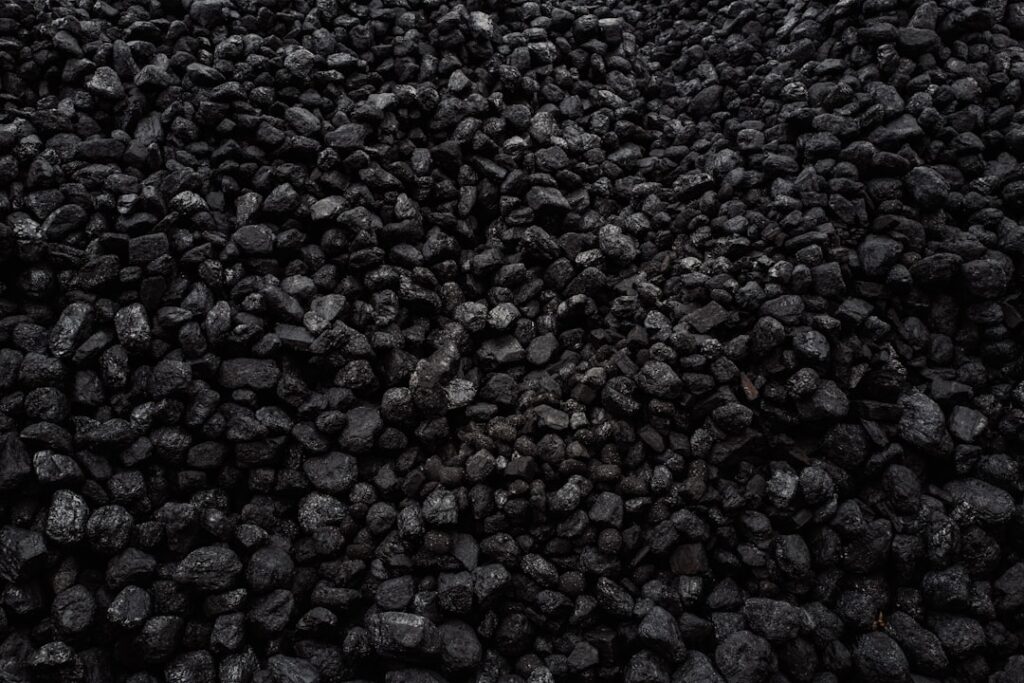
The European Union’s decision to prohibit Russian coal, announced on April 9, is projected to strip Moscow of about four billion euros each year. This marks the first occasion the bloc has singled out Russian energy exports in response to the war in Ukraine. While the figure sounds substantial, it represents only a small slice of the financial flow between the two sides.
Daily, the EU spends roughly 850 million dollars on Russian oil and natural gas, dwarfing the coal-related expenditure of about 20 million dollars per day. Consequently, the coal ban equates to a 42‑to‑1 disparity in favor of oil and gas payments. Coal itself accounts for just 3.5 percent of Russia’s total export earnings, and only one‑quarter of that coal is destined for European markets. When the ban fully takes effect after a three‑month transition, the anticipated loss to Russia is near 4.4 billion dollars annually.
Even this amount is modest compared with the 310 billion dollars Europe channels into Russia’s oil and gas sector each year. The EU relies on Russia for 40 percent of its natural gas and 25 percent of its oil. Severing those links would strike far harder at Moscow’s war finances but would also risk plunging Europe into a deep recession—a scenario the 27 member states have so far been unwilling to accept.
Analysts note that European economies could replace Russian coal within a few months, with the United States and other suppliers ready to fill the gap. Because the restriction applies only to new contracts, governments found it politically easier to agree. Commodities analyst Barbara Lambrecht of Commerzbank observed that the measure’s delayed and narrow scope made it a viable political step, breaking the taboo on cutting energy ties without destabilising the European economy.
The ban is expected to add inflationary pressure at a time when Europe already confronts record‑high prices. Introducing a restriction on a readily substitutable commodity like coal offers limited relief, yet inaction is equally untenable given the intense political demand to respond to the conflict. The war in Ukraine is now in its second month, with reports of bodies appearing in streets, and sanctions remain the West’s primary lever short of direct military engagement.
Coal is therefore viewed as an initial signal rather than a comprehensive solution. Russia’s war chest continues to be financed chiefly by oil and gas revenues, which remain uninterrupted. As the EU remains Moscow’s largest customer, each day of delay translates into another 850 million dollars flowing to Moscow. The coal prohibition amounts to a crack in the dam, but the dam itself still stands.
European Council President Charles Michel has suggested that future measures targeting oil and possibly gas may emerge, though he offered no timeline. The debate remains open, and the coalition of member states remains fragile. For now, the consensus achievable among the 27 nations is the coal ban—a step taken, but not the step many argue is necessary to meaningfully curb Russia’s capacity to fund its war effort.




