
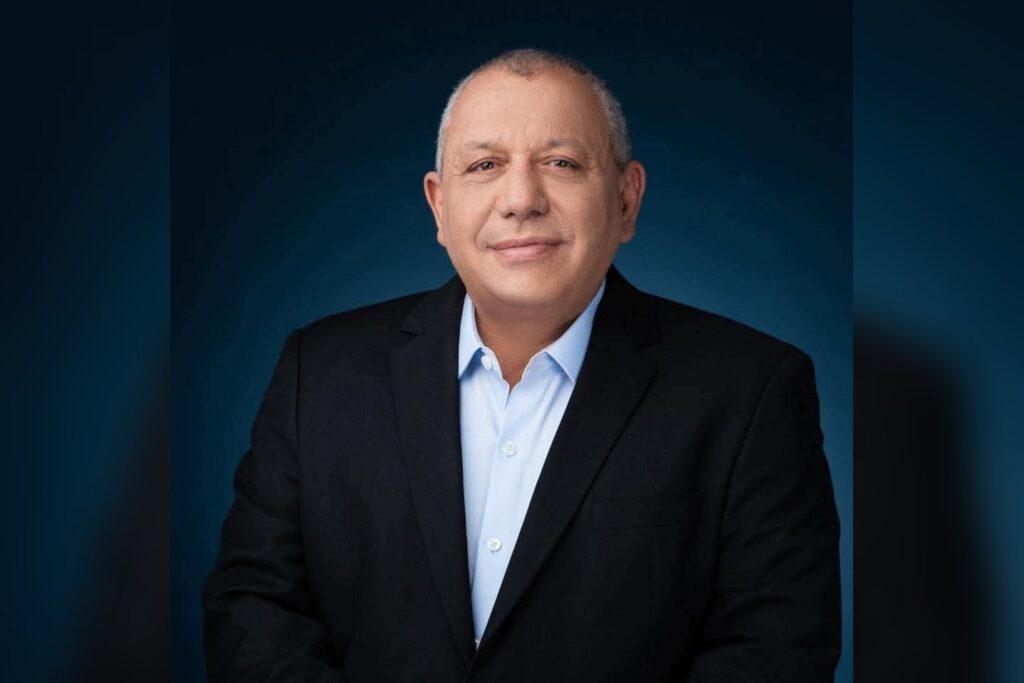
Three years after the worst security failure in Israel’s history, the political ground is shifting under Benjamin Netanyahu. The prime minister who led the country through the October 7, 2023 Hamas attack now faces a challenger who does not come from the familiar opposition bench. Gadi Eisenkot, a former Israel Defense Forces chief of staff, has built a new party called Yashar.
Recent polling shows it gaining ground fast. Separate surveys measuring who Israelis want as their next prime minister now show Eisenkot matching or overtaking Netanyahu.
The next parliamentary election is scheduled for late October this year. What matters here is not just the numbers. It is the pattern.
For months after October 7, the opposition narrative centered on familiar names. Naftali Bennett.
Yair Lapid. Benny Gantz. Political analysts assumed that if Netanyahu fell, it would be to a broad centrist alliance led by one of those established figures.
That was the conventional wisdom. Eisenkot broke it. He entered politics in 2022 as part of Benny Gantz’s National Unity alliance.
Then he left. He built his own vehicle.
He did not wait for a coalition of the willing to form around him. He moved alone. That is a different kind of political calculation.
It suggests a man who believes the old formulas no longer work. The backdrop is brutal.
The October 7 attack was a security failure that shook the country’s faith in its military and political leadership. Nearly three years later, the war in Gaza grinds on. Domestic criticism of Netanyahu’s conduct has grown louder.
Eisenkot, with four decades of military experience, offers a direct contrast. He is not a career politician. He is a retired general who spent most of his adult life in uniform.
That carries weight in a country where military service is a near-universal experience and where the IDF chief of staff is a figure of enormous public trust. The timing matters.
Eisenkot is not challenging Netanyahu at a moment of calm. He is challenging him at a moment when the prime minister’s approval ratings have been under sustained pressure. The polls that show Eisenkot rising are not flukes.
They are the result of a slow, steady realignment. Voters who once defaulted to Netanyahu are looking elsewhere.
They are looking at a man who has spent less time in politics than most cabinet ministers have spent in their current jobs. For the region, this is a signal. Israeli politics has been dominated by Netanyahu for so long that the idea of a post-Netanyahu era seemed abstract.
Eisenkot’s rise makes it concrete. The next election is in late October. That is not far away.
Campaigns are already taking shape. Yashar is a new name, but its leader is not new to the public.
Israelis know Gadi Eisenkot. They know his record. They know he was in the room when the October 7 failures were being investigated.
There is no guarantee Eisenkot wins. Polls shift.
Campaigns falter. But the fact that he is even in this position represents a significant change in the country’s political dynamics. The old opposition playbook is being rewritten.
A retired general with a short political career is now a serious contender for the highest office in the land. That is not a footnote. It is the story.




