
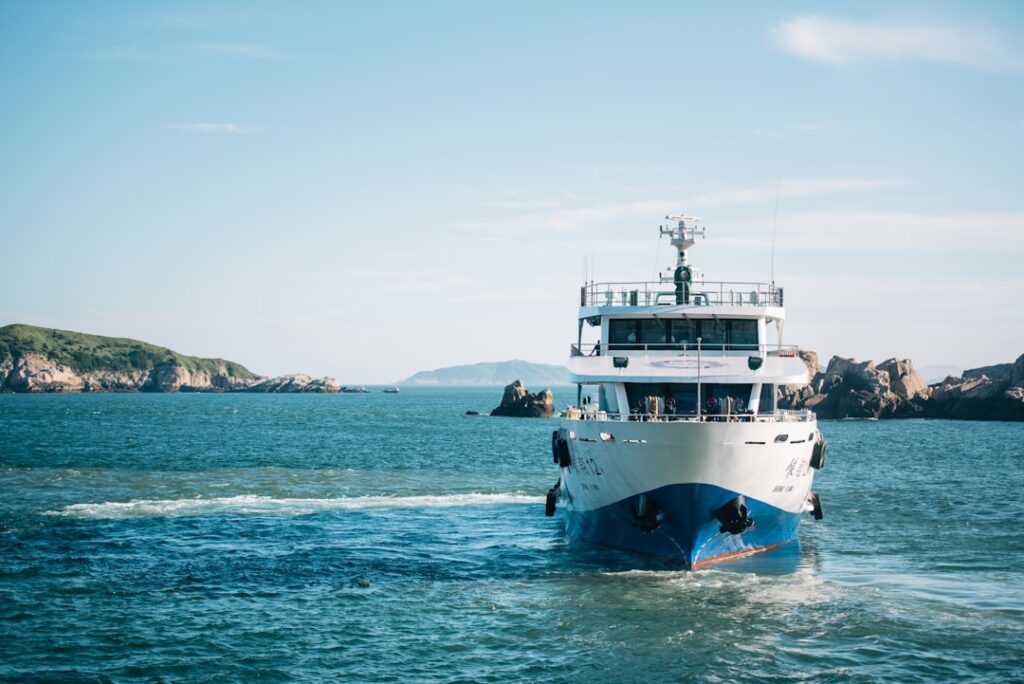
In the heart of Monshat el-Kanater, Egypt, a tragic event unfolded on February 25, claiming the lives of ten individuals and injuring five more. The culprit was a ferry, a vital yet often overlooked mode of transportation in many communities.
This vessel was not a luxury or a tourist attraction; it was a lifeline for workers. The incident serves as a stark reminder of the consequences when a critical transport link falters. Ferries, while not glamorous, serve as a direct, affordable means of travel across bodies of water, functioning as a public transport system.
Their loss is not merely a numerical tragedy but a systemic failure. The economic impact of this sinking extends beyond the immediate loss of life.
The workers who perished were likely breadwinners for their families. The cargo the ferry carried, or the goods it transported, will not reach their destinations, disrupting supply chains in this water-connected community. Globally, ferries play diverse roles.
In Venice, they shuttle tourists. In the Baltic Sea, they transport cars and trucks over long distances.
Despite the scale differences, their function remains constant: they are connectors. When a connector fails, the communities on either end bear the brunt. Monshat el-Kanater is no exception. It is a town that relied on that boat.
Regulations for ferry safety vary significantly by country. Some nations enforce rigorous inspections and crew certifications, while others are more lax.
Egypt’s record is mixed, with incidents like the 2006 sinking of the Al-Salam Boccaccio 98 in the Red Sea claiming over 1,000 lives, leading to reforms. However, reforms are effective only when they are consistently enforced. The ferry that sank last week may have been smaller and less scrutinized, slipping through the cracks that often form around such vessels as urbanization grows.
The sinking serves as a warning: as ferries become more important, so does the need for prioritizing safety to prevent future disasters. The factors at play are straightforward: the demand for affordable transport, the strain on aging infrastructure, and a regulatory system that often lags behind reality.
The aftermath in Monshat el-Kanater is uncertain. Families will mourn their lost loved ones. The injured will recover or not.
Investigators will pore over the wreckage, questioning the engine, the hull, the crew, the weather, and the load. They will search for a single cause.
But the real cause may be a complex interplay of factors that have accumulated over time: an old ferry, deferred maintenance, weak oversight, and a system that prioritized cost over safety. This story is not unique. It repeats in Bangladesh, Indonesia, the Philippines, and Greece.
It happens wherever ferries serve as the backbone of transport and safety is an afterthought. The sinking in Egypt is a local tragedy with a global lesson: ferries are vital, yet vulnerable.
The cost of keeping them safe must be accounted for from the outset, or the price will continue to be paid in lives.
Related Stories
Mozambique Ferry Sinks, 94 Dead in Overcrowding Egypt Ferry Sinking Kills Ten Workers Fishing Boat Sinks Off Massachusetts, 1 Dead, 6 Missing #EgyptFerrySinks #WorkersDead #Canal #WorldNews #News




