
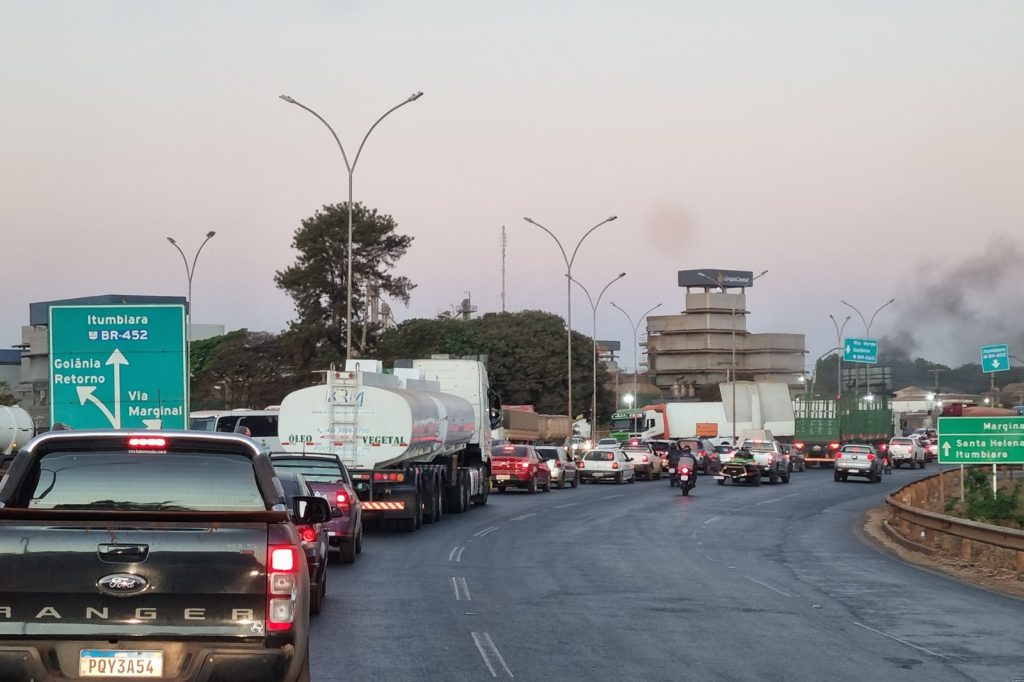
Tragedy on BR‑452 Prompts Renewed Calls for Safety
On August 10, 2025, emergency crews arrived at the BR‑452 highway near Uberlândia after a serious collision left wreckage strewn across the roadway. Rescue teams pulled survivors from the twisted metal while confirming that four people had died in the incident.
Sixteen others suffered injuries, ranging from minor to severe, and were transported to local hospitals for treatment. The BR‑452 is a major thoroughfare that cuts through Minas Gerais, carrying a constant flow of trucks, buses, cars and motorcycles both day and night. Local residents have long described the route as hazardous, pointing to a history of crashes that repeats with troubling regularity.
The latest accident adds to that record, with the death toll standing at four and the injured count at sixteen. Preliminary assessments suggest that excessive speed and reckless driving contributed to the crash, which involved multiple vehicles.
Investigators have not yet released a definitive sequence of events, but they are examining vehicle conditions, driver actions, road layout and weather as part of their inquiry. The exact chain remains under review. First‑responders reached the scene quickly, and their rapid intervention likely prevented the loss of life from being higher.
Paramedics and rescue units worked to extricate those trapped and to stabilize the injured before transport. Medical staff are now caring for the wounded; some are expected to recover fully, while others face lengthy rehabilitation periods.
The impact extends beyond the immediate victims. Families of the four deceased are confronting a permanent loss, while the sixteen injured confront painful recoveries. For the broader community of drivers who use the BR‑452, the event serves as a stark reminder of the dangers posed by a road that combines heavy traffic, high speeds and insufficient safety measures.
Local officials and residents have repeatedly urged improvements such as better illumination, clearer signage and increased traffic enforcement. These requests are not new; they have been voiced after previous accidents on the same stretch.
The recent tragedy, with its higher fatality count, has intensified the debate over whether concrete changes will be implemented or whether the incident will simply become another entry in the accident log. The crash also highlights the limits of emergency response. While swift medical aid can save lives, it cannot correct underlying road deficiencies that allow dangerous driving to go unchecked.
Investigators continue to work toward a full understanding of what triggered the collision, but the broader picture already shows a route with a history of accidents, dense traffic and drivers who frequently push the limits—a combination that experts describe as a recipe for disaster. For those who travel the BR‑452 daily, the event is a warning that roads themselves do not cause fatalities, but they can create conditions where human error leads to tragedy.
Speed, recklessness and inadequate infrastructure are the factors that turn a routine journey into a catastrophe. The community of Uberlândia is mourning, yet grief alone will not repair the highway. What follows will decide whether this loss spurs meaningful reform or fades into the statistic of yet another preventable crash.




