
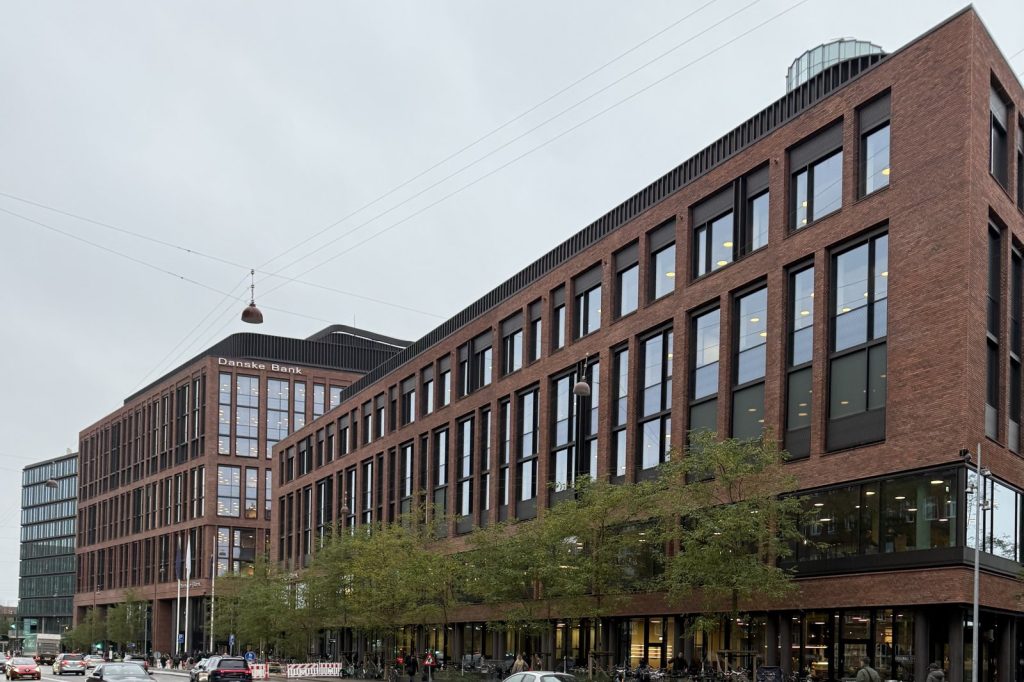
COPENHAGEN, September 26 — Danske Bank and Realkredit Danmark have unveiled a lending programme aimed at making Danish homes healthier to live in, with a particular focus on rural areas, in an announcement whose English-language version was published on 25 September 2026, following the original Danish release on 21 September 2026. The scheme, described as “healthier home renovation loans,” adds to the banks’ existing offering of favourable-term energy improvement and climate adaptation loans and applies to personal customers throughout Denmark, covering both year-round residences and holiday homes.
Under the programme, homeowners can obtain bank loans from Danske Bank at the same attractive interest rate already offered for energy-efficiency and climate adaptation improvements. The favourable terms apply only if the entire loan amount is used for Danske Bank-approved home improvement upgrades.
Loans are available with terms extending up to 10 years and are capped at a maximum of DKK 500,000 (approximately US$78,000). In addition to the reduced interest rate, healthier home renovation loans are exempt from processing fees and origination fees. Eligible purposes are specific and documentable renovations that make a home healthier to live in, more robust and more usable — not ordinary home refurbishment or cosmetic upgrading.
Named categories include replacement of damaged asbestos roofs, renovations to protect a home from radon, connection of a home to public water supply and sewage systems, and replacement of outdated or faulty electrical installations and wood-burning stoves. General cosmetic improvements such as installing a new kitchen or bathroom are explicitly excluded, and the purpose of each loan must be approved by the bank.
The mortgage alternative
Customers may alternatively finance improvements through a mortgage loan from Realkredit Danmark. While a bank loan may suit smaller and more limited projects, a mortgage loan may be the option for major improvements; these can be added to the long-term financing of the home and are offered with maturity terms extending up to 30 years. If the homeowner chooses the Realkredit Danmark mortgage route, no loan fee or processing costs are payable, and other terms follow standard costs and fees.
Mark Wraa-Hansen, Head of Personal Banking at Danske Bank Denmark, said the bank wants to help more people in Denmark optimise their homes through energy improvements or climate adaptation measures, and also to provide a greater incentive for people to invest in specific improvements that make their homes healthier to live in while helping protect the home’s value.
He noted that many homeowners, particularly in rural areas, face a significant renovation project when they have an asbestos roof that needs replacing — an area that has also received recent political attention. Kamilla Hammerich Skytte, CEO of Realkredit Danmark, said some improvements are not made simply to install a new kitchen or to quickly increase a property’s sales price, but to maintain the condition of the home over the long term, prevent further deterioration and ensure the home remains healthy to live in and usable.
She highlighted the particular relevance of the loan option for older homes in rural areas constructed using asbestos-containing materials (ACMs) or that have older utility installations and private water or wastewater solutions, where the major financial investment required can often be difficult to justify in relation to the value and marketability of the property. The initiative is positioned as supporting rural areas, where homes are more likely to be poorly maintained and have higher levels of disrepair.
What to watch next is whether the programme draws interest from homeowners in those rural districts, and how the bank’s approval process handles the documentable renovation categories it has set out.




