
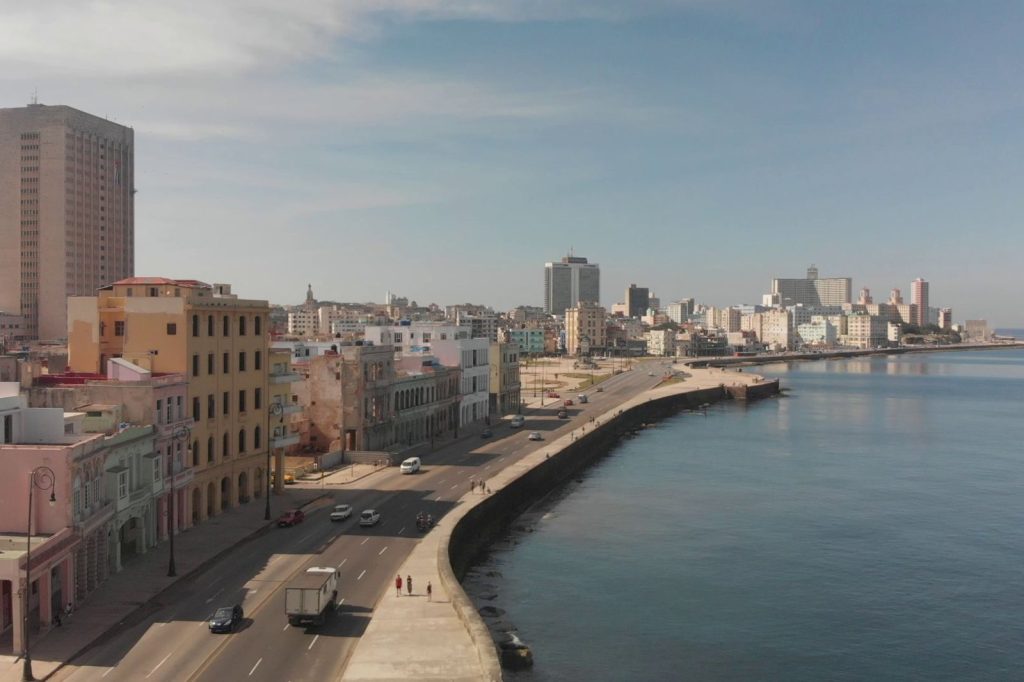
HAVANA, September 1 The United States has extended its trade embargo against Cuba for another year, deepening the economic hardship faced by residents on the island. The move, announced on Tuesday, has been met with frustration, as Cubans continue to endure rolling blackouts, fuel shortages, and rising costs of living. The embargo, first established in 1962, remains in place despite repeated calls from Havana for its removal.
Taxi driver Antonio Rodriguez says the burden of the crisis is falling heavily on ordinary people. He noted that those in power continue to have access to basic necessities, while others struggle with rising prices and fuel shortages that make everyday life increasingly expensive and difficult.
He urged Washington to restore trade with Havana to determine whether the embargo or domestic policies are driving the hardship. Retiree Marilin Leon described the latest restrictions on energy supplies as unbearable. Fellow retiree Juan Licea said many people struggle to earn enough money to get by.
“We are struggling to survive,” he said, noting that despite financial difficulties, people continue trying to move forward. Cuban Foreign Minister Bruno Rodriguez condemned the extension “in the strongest terms,” describing the embargo as a “genocidal policy” and accusing Washington of seeking to suffocate the Cuban population.
Havana says the measures have contributed heavily to shortages of fuel, food, and electricity, and accuses Washington of intensifying pressure at the worst possible moment. The administration of President Donald Trump has imposed additional measures on Cuba since returning to office, including restrictions targeting state-linked entities and measures aimed at limiting fuel supplies. Washington, however, rejects Havana’s claim that the embargo is responsible for the island’s economic collapse, arguing that poor internal management and government policies are major causes of the crisis.
The dispute has left Cubans caught between competing explanations for their economic struggles. Rolling blackouts have become a regular feature of daily life, while shortages of fuel and essential goods continue to put pressure on households. For residents like Rodriguez and Licea, the political confrontation between Havana and Washington offers little immediate relief.




