
The text of the U.S.-Saudi nuclear agreement is classified. That alone is unusual, and it is where the congressional fight began.
Energy Secretary Chris Wright and Saudi Energy Minister Prince Abdulaziz bin Salman signed the pact on July 22. The Trump administration delivered it to Capitol Hill in late August, as the Atomic Energy Act requires, according to France 24, which cited an administration official, a congressional aide and two others familiar with the matter, all speaking anonymously. In plain terms, the delivery started a 90-day review clock.
Think of it like a bill sitting on a desk with a sticky note: unless someone objects within the window, it goes through. Congress does not have to vote yes. If lawmakers do nothing, the agreement can take effect. To stop it, they would need to pass a joint resolution of disapproval, and President Trump could veto that, which leaves opponents needing a two-thirds majority to override.
What the deal allows
This is a so-called 123 agreement, the kind of legal framework the United States signs before sharing civilian nuclear technology. Earlier ones with other countries were published, though some carried classified annexes. This one is classified in full.
The terms reported so far would let American companies build reactors in the kingdom. Washington and Riyadh would also spend two years studying whether Saudi Arabia should enrich uranium at home. If an enrichment plant went ahead, U.S. firms would run it inside the country under a “black box” arrangement, so the technology itself would not change hands. ABC News reported that a second study could open the door to enrichment of up to 20%. The deal is expected to last 30 years.
Critics say the inspection terms fall short of the “gold standard.” ABC reported that the Saudi arrangement limits inspectors to declared nuclear sites, rather than giving them wider access. Unlike the 2009 U.S. pact with the United Arab Emirates, it does not require Riyadh to give up enrichment.
Politics around the review
The day after the signing, Trump said the deal would only proceed if Saudi Arabia normalised relations with Israel through the Abraham Accords. The Saudis were caught off guard. Riyadh has said it first wants a clear path to Palestinian statehood, an idea Israeli Prime Minister Benjamin Netanyahu has rejected.
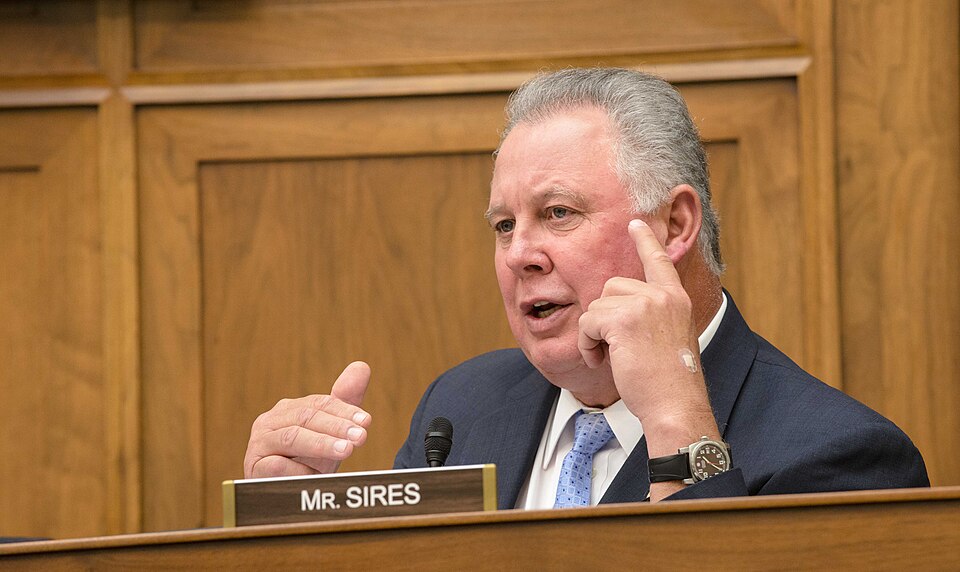
On September 17, House Democrats Gregory Meeks, Brad Sherman, John Garamendi and Don Beyer introduced the disapproval resolution. A vote could come in November, after the midterm elections. ABC News judged it exceedingly unlikely to pass in a Republican-controlled Congress, though lawmakers could alternatively attach conditions through legislation.
Some Republicans share the unease. Senators John Kennedy of Louisiana and Rand Paul of Kentucky joined a letter demanding the declassification of two “side letters” said to be part of the deal.
The administration, for its part, acknowledged Crown Prince Mohamed bin Salman’s “concerning public statements” in its Aug. 27 communication to Congress. He has said the kingdom would seek a nuclear weapon if Iran acquired one. Secretary of State Marco Rubio defended the pact in July, arguing that Riyadh could otherwise have turned to China or Russia. “We live in a new era,” he said.
Sources
- Trump Sends Saudi Civil Nuclear Agreement to Congress for Review
- Democrats Propose Bill to Strike Down Controversial Saudi Nuclear Deal
- U.S.-Saudi Nuclear Deal Clears Vienna Hurdle As Congress Review Continues




