
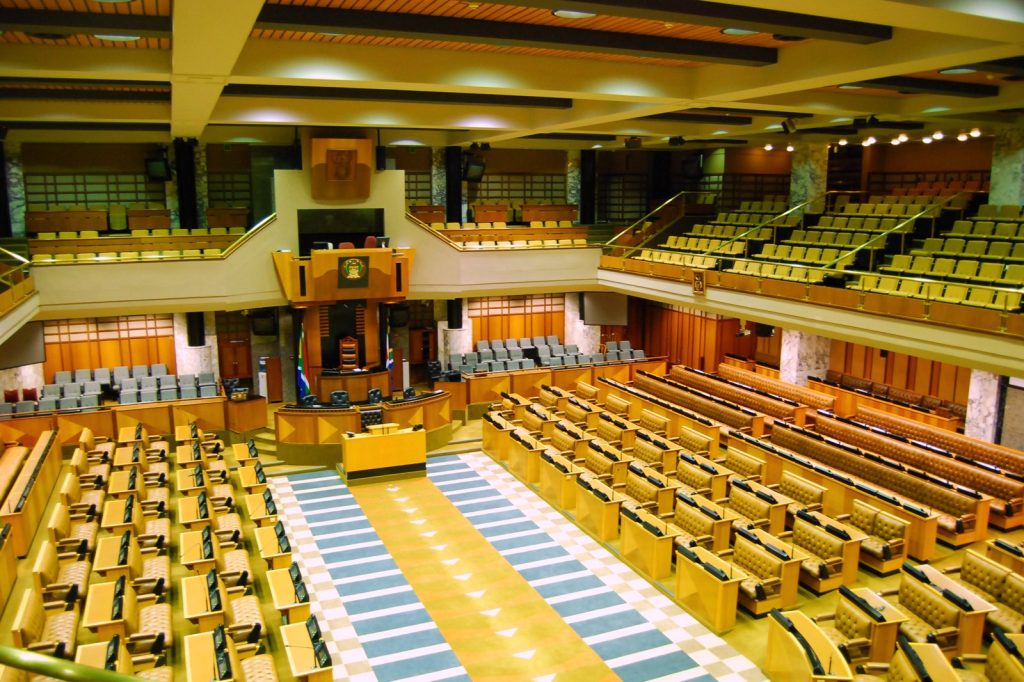
South Africans who walked into a polling station in 2024 were handed three ballots, not two. That change, written into the Electoral Amendment Act passed on April 17, 2023, decides how all 400 seats in the National Assembly get filled.
The reform came after a Constitutional Court ruling that the system had to make room for independent candidates. Before it, voters chose among parties. Now they can also back individuals.
Three ballots, three jobs
The first ballot covers the provincial legislature, where voters pick a party or an independent. The second is the regional ballot, which feeds 200 National Assembly seats divided among the nine regions. Parties and independents can both stand there, and the number of seats each region gets depends on its voter population.
The third ballot is the one that matters for small parties. It fills the other 200 seats, the compensatory seats, and only parties can contest them, using closed lists. The Electoral Commission describes the purpose plainly: these seats restore proportionality to parties after the regional results are counted.
How the compensatory count works
Votes cast for a party on the regional ballot and on the compensatory ballot are pooled. The quota comes from total valid votes divided by the 400 seats, with the seats won by independents taken out, plus one. According to the Electoral Institute for Sustainable Democracy in Africa (EISA), the pooled total decides how many seats a party is entitled to overall. Whatever it already won in the regions is then topped up from the national list.
Seats left over after quotas are applied go out by the highest remainder method, in order of the largest surplus votes. The Electoral Commission calculates the quota by dividing valid votes by the number of seats and adding one, ignoring fractions.
Where independents stand
Independents are locked out of the national list. They may run only for the 200 regional seats. EISA also points to a hard cap: an independent is entitled to one seat, even with enough votes to be given two. As the Commission puts it, “an independent candidate can only occupy one seat, even if they contest in multiple regions.”
Parties face no such ceiling. They can take as many seats as their vote share earns.
The provincial legislature ballot is a separate contest. It decides the nine provincial chambers on its own terms and has no link to the national compensatory count.
Sources
- How the quota and distribution of seats is calculated for the 2024 national and provincial elections (EISA)
- What's new in the 2024 elections: Electoral Amendment Act (Electoral Commission of South Africa)




