
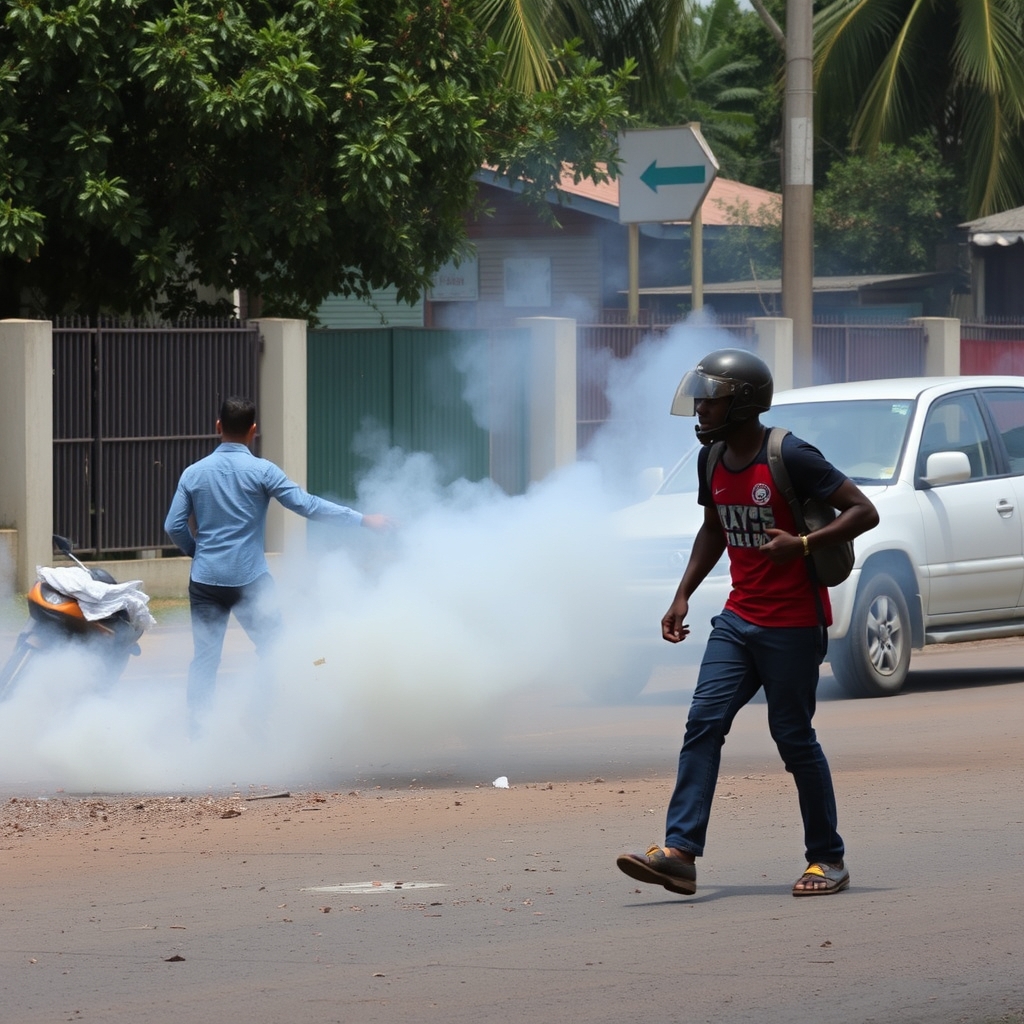
The government raised diesel prices by 46% and gasoline by 35%, blamed the Middle East conflict, and then watched the archipelago stall. The catch is what the increase cost. On the island of Anjouan, one person is dead and five are injured.
“The Public Prosecutor’s Office in Mutsamudu informs the public that a tragic event occurred today in Anjouan, in the Mpage area, resulting in the death of one person and five injuries,” the prosecutor said in a statement on Saturday. A judicial investigation has been opened to determine how the person died.
How the unrest built
The trouble began with a strike on Monday. Transport workers and shopkeepers stopped work, and public transportation in the capital, Moroni, came to a standstill.
Fishermen on Anjouan had been on strike since Wednesday over the rising fuel costs. On Friday, the mayor of Mirontsy met their association. The meeting did not settle anything, and clashes broke out. Protesters blocked roads with stones in Mutsamudu, the island’s capital.
Reuters reported the figures. According to the National Human Rights Commission, 39 people have been detained since the strike started.
What the government offered
Officials answered with cuts to official travel and a 40% reduction in customs duties. The mechanics here are plain: the state gives up some revenue and some perks to ease the pain at the pump. The catch is that it did not work quickly. Transport and commerce in Moroni stayed paralyzed, and the arrests continued to mount.
The government has tied the price rises to the conflict in the Middle East, and the protests have since spread across the archipelago.
Sources
- One dead in Comoros as clashes erupt over rising fuel prices
- Fuel Price Fury: Anjouan Protests Turn Deadly | Business
Sources
- One dead in Comoros as clashes erupt over rising… | The Straits Times
- Fuel Price Fury: Anjouan Protests Turn Deadly | Business




