
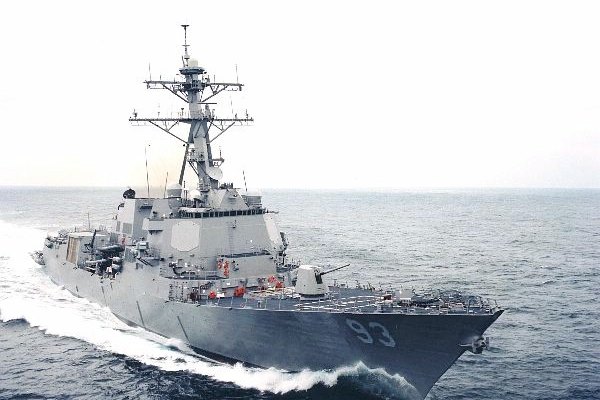
On June 3, the U.S. destroyer USS Chung‑Hoon, sailing alongside the Canadian frigate HMCS Montréal, was forced to slow to ten knots and alter course after a Chinese Luyang III‑class destroyer cut across its bow at a distance of roughly 150 yards (about 137 metres). The Chinese vessel overtook the American ship, sliced through its wake and then settled on a parallel track, prompting a rapid maneuver to avoid a collision. No injuries or damage were reported.
Rear Admiral Pat Piercey described the episode as an “unsafe maritime interaction,” citing violations of the Convention on the International Regulations for Preventing Collisions at Sea, the globally recognised rulebook for vessel conduct. The U.S. Indo‑Pacific Command warned that such brinkmanship raises the chance of miscalculation in one of the world’s busiest sea lanes.
The Taiwan Strait, a 110‑mile waterway through which hundreds of commercial vessels pass each month, is both a strategic flashpoint and a critical choke point. Any evasive action by a warship in these waters has implications far beyond the two navies directly involved, affecting all traffic within the vicinity.
Beijing asserts sovereignty over the strait, a claim Washington rejects. As Commander Clay Doss of the U.S. 7th Fleet reiterated, the United States will continue to fly, sail and operate wherever international law permits. The reality, however, is that U.S. and allied ships are now sharing a narrow corridor with Chinese forces more frequently and at ever‑shorter distances.
Chinese military activity around Taiwan has intensified in recent months, and the June 3 incident fits a broader pattern of naval and aerial probes intended to test the limits of U.S. and allied operations. The presence of the Canadian frigate was meant to signal solidarity among allies, while the high‑speed Chinese pass was a contrasting demonstration of force.
According to naval officers speaking off the record, the Chung‑Hoon’s speed reduction was decisive in preventing a collision. The margin for error was measured not only in yards but in seconds; a slightly slower reaction could have resulted in a direct impact.
The United States responded with what officials termed “calm resolve,” maintaining its current posture and emphasizing that routine transits will continue. Yet the need for a warship to take evasive action calls the notion of “routine” into question. Each encounter now tests the nerves of crews operating in waters that one side treats as its own.
The core danger is not an intentional desire for conflict but the shrinking distance and increasing speed of maneuvers, which strain the applicability of established navigation rules. A single misstep could turn a 150‑yard separation into a direct collision.
As both navies continue to operate in the Taiwan Strait, the risk of accidental escalation remains a pressing concern for regional stability and global commerce.




