
China Shifts Policy, Accepts WHO‑Led Expert Team as Coronavirus Deaths Rise
By early February 2020 the outbreak of the novel coronavirus inside mainland China had already claimed the lives of at least 900 people. At the same time the virus had been identified in roughly two dozen nations, with later reports putting the figure at about 25 countries.
The growing death toll and the geographic spread prompted Beijing to reconsider its earlier refusal of foreign assistance. For weeks Chinese officials had declined offers of help from the United States, Taiwan and other governments. After sustained international pressure, the authorities agreed to admit a team of outside specialists.
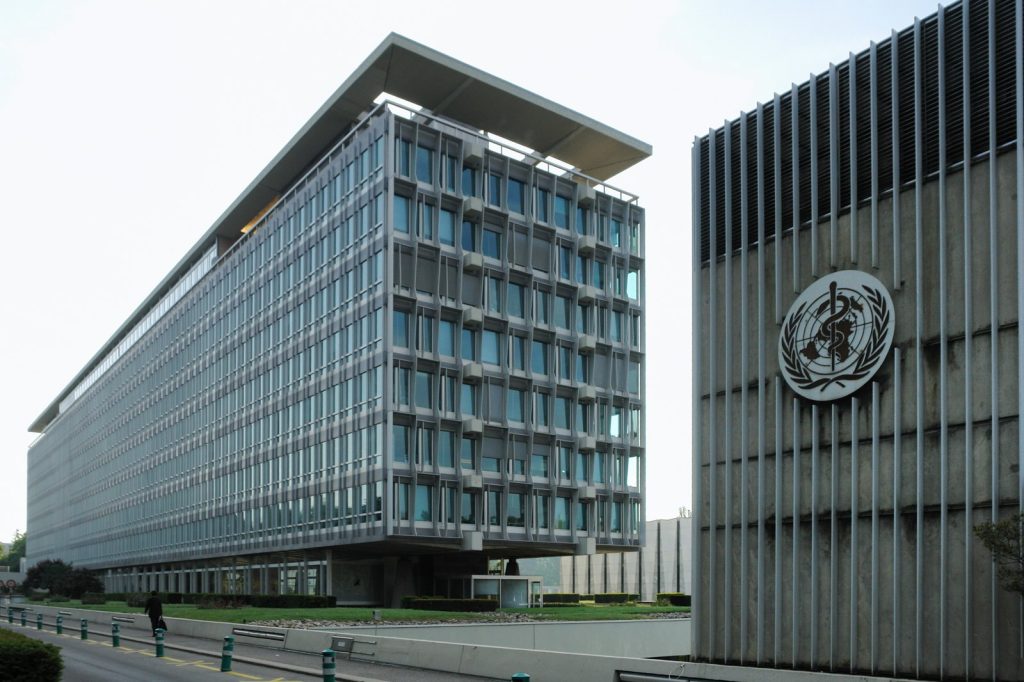
The World Health Organization is coordinating the mission, and the group of foreign experts is expected to arrive within days. Their mandate is to support research and containment efforts on the ground.
The reversal marks a stark contrast to the previous stance of keeping outside aid at bay. Now American infectious‑disease specialists are poised to take a prominent role in the response. The stakes are clear: the pathogen is already crossing borders, and China’s domestic measures have become increasingly severe.
One of the most visible steps taken by Chinese health authorities is the prohibition on over‑the‑counter sales of flu medications in pharmacies. Officials say the rule is intended to compel anyone showing symptoms to seek professional medical care rather than self‑treat at home.
Observers describe the ban as a sign of desperation and an indication that earlier containment attempts inside China were not sufficient. The shift did not occur in isolation. Mounting concern from the global health community grew as the virus appeared in more than two dozen countries, underscoring that the outbreak was no longer confined to a single region.
International resources were already under strain, and the United States embassy highlighted that its experts bring decades of experience confronting epidemics such as Ebola, avian influenza and SARS. That background is precisely what the WHO says it needs on the ground.
Accepting assistance does not erase the record of earlier isolationism. Critics have repeatedly pointed to a lack of transparency from Chinese authorities, noting that the very report that sparked this article highlighted those shortcomings. The decision to block foreign help for weeks while simultaneously restricting access to common cold medicines raises questions about openness and the willingness to share data. The international community had long urged Beijing to provide more information and greater cooperation.
The arrival of the WHO‑led team is viewed as a necessary step, though it comes after a significant delay. Analysts outline two possible outcomes: if the foreign experts succeed in helping to contain the virus within China, the worldwide impact may be kept in check; if containment fails, the pathogen could spread to additional nations, pushing the death toll beyond the current figure of at least 900 in mainland China and placing further pressure on health systems elsewhere.
The American specialists are not entering the situation without prior knowledge. They have previously collaborated with the WHO during the SARS outbreak, giving them familiarity with coronavirus behavior and established containment protocols. The central question now is whether the Chinese administration will grant full cooperation—sharing epidemiological data, granting unrestricted access to affected sites, and permitting independent verification of reports.
Previous months of rejection do not inspire confidence in a swift change of heart. Nevertheless, the flight carrying the experts is en route, the restriction on over‑the‑counter flu drugs remains in force, and the death toll continues to be a stark, verifiable reality.
The world watches to see whether this renewed cooperation will prove to be a turning point that actually reverses the tide of the outbreak.




