
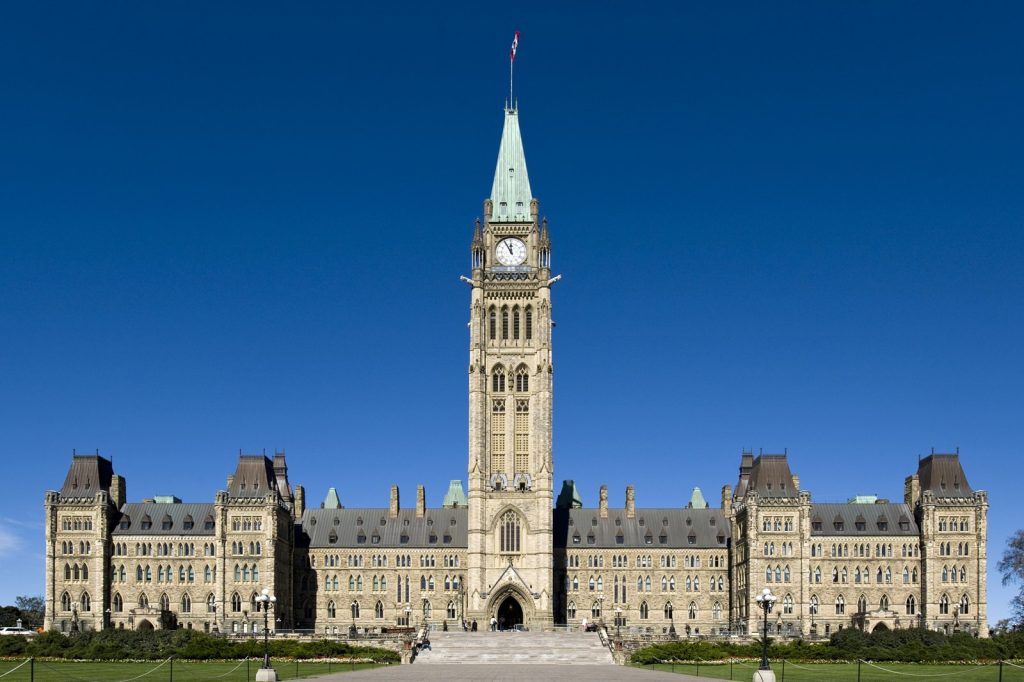
Mark Carney had been prime minister for less than two weeks when he met Governor General Mary Simon on Sunday, March 23, 2025, and dissolved Parliament. Al Jazeera reported that the vote was set for April 28.
Radio-Canada had learned of the plan three days earlier. Its sources said the visit would come a day before MPs were due back in Ottawa; Parliament had been prorogued on Jan. 6. They also expected the campaign to run between 36 and 50 days.
Trump looms over the pitch
Carney wasted no time naming the opponent. “We are facing the most significant crisis of our lifetimes because of President Trump’s unjustified trade actions,” he said after meeting the governor general. Washington has hit Canadian goods with steep tariffs and has repeatedly talked of making Canada the “51st state.” Carney called the annexation idea “crazy” and said Canadian sovereignty has to be respected before any negotiation starts.
He has promised to keep up Trudeau’s approach, including reciprocal countermeasures against the United States, Canada’s top trading partner. An Ipsos poll released on the Thursday before the call found Canadians rated him best placed to handle the tariffs. The economist and former central banker also had the highest approval ratings among the federal leaders.
University of Calgary political scientist Lisa Young saw the logic in the timing. A leader benefits from going to the polls “while the shock of the Trump administration is still front of mind for Canadians,” she said.
A race that flipped in weeks
In January, the Conservatives led by double digits. Trudeau’s resignation announcement and a united response to Trump changed that. By Sunday, the CBC News Poll Tracker had the Liberals at 37.5 percent and the Conservatives at 37.1 percent. The New Democratic Party sat at 11.6 percent and Yves-Francois Blanchet’s Bloc Quebecois at 6.4 percent.
The raw numbers flatter the Conservatives. Liberal support is spread more evenly across the country, while Conservative backing is piled up in Alberta and Saskatchewan. Based on the Poll Tracker’s projection, as relayed by Radio-Canada, a vote held then would have produced 176 Liberal seats against 133 for the Conservatives.
Conservative leader Pierre Poilievre has had trouble finding an answer to Trump. He has gone after the Liberals’ decade in power instead, citing housing costs and affordability, and says he would “protect Canada and always put our country first.” Speaking in Jonquière, Quebec, he promised to speed approval of energy and resource projects. “We will unleash hundreds of billions of dollars in power plants, nuclear energy, mines, pipelines, data centres and much more,” he said.
NDP Leader Jagmeet Singh, meanwhile, accepted an endorsement from the United Steelworkers in Hamilton, Ontario. He said Carney “has done nothing for workers who are losing their jobs in this country.”
Seats will be contested in a 343-seat House of Commons. Without the early call, the election would not have been due until October 20.
Sources
- Canada's PM Mark Carney triggers snap election, vote set for April 28
- Carney will ask Governor General to dissolve Parliament Sunday and call election, sources say




