
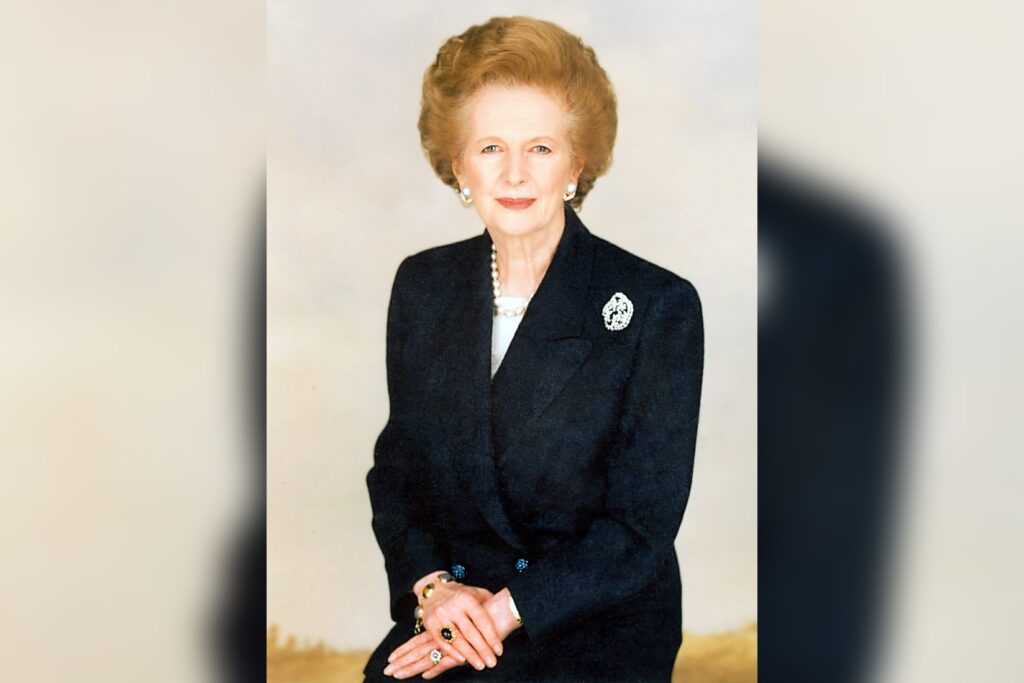
Eight thousand miles. That was the distance Margaret Thatcher’s task force had to cover after Argentine troops took the Falkland Islands on April 2, 1982, and it set the pace of the whole war.
The landing force overran the small Royal Marines garrison at Stanley on East Falkland. Governor Sir Rex Hunt ordered the defenders to surrender after a brief fight. Within a day Argentina also held South Georgia and the South Sandwich group. The islands had been under British administration since 1833, and about 1,800 residents, mostly English-speaking sheep farmers, lived there. They had voted in 1981 to stay British.
Why the junta moved
Lieutenant General Leopoldo Galtieri’s military government had troubles at home: an oppressive record, a weak economy, mounting criticism. The Gazette describes the motive as chiefly political, an attempt to rally the country behind a nationalist cause. Argentina’s claim to the islands reached back to 1820. Britain’s reply was that it had held them since 1833.
The response
US Secretary of State Alexander Haig shuttled between the two capitals, but Argentina demanded British surrender of sovereignty while London insisted on the islanders’ right to decide. Nothing moved.
The Gazette puts the task force at 28,000 troops and 100 ships, and the voyage took three weeks. EBSCO’s account lists two aircraft carriers and five nuclear submarines under Admiral Sandy Woodward. British forces retook South Georgia on April 25.
The fighting turned costly quickly. The sinking of the Argentine cruiser General Belgrano on May 2 killed 368 crew members. Two days later an Exocet missile destroyed HMS Sheffield, with 20 casualties. Troops landed at St Carlos on May 21 under Brigadier Julian Thompson. Argentine aircraft sank three frigates over the next three days, but British Harriers armed with Sidewinder missiles cut down the air threat.
Then came the march on Port Stanley. At Goose Green, British soldiers won despite being outnumbered by over 300. Herbert Jones and Ian McKay each received a posthumous Victoria Cross, Jones for Goose Green and McKay for the assault on Mount Longdon. Argentine forces, cut off and short of ammunition, surrendered on June 14. The war had lasted 74 days.
The toll and the politics
History.com counts 256 British dead and 750 Argentine. The Gazette gives 255 British servicemen, 655 Argentine servicemen and 3 Falkland islanders. Britain lost five ships and spent 780 million pounds on the campaign, according to the sources.
Defeat finished the junta. Galtieri was removed, military rule ended, and civilian government returned in 1983. For Thatcher the result ran the other way. Her popularity surged, and the Conservatives won what History.com calls “a landslide victory in 1983 parliamentary elections.”
Sources
- Argentina Invades Falklands – April 2, 1982
- This Month in History: The Falkland Islands Conflict
- Falkland Islands War




