
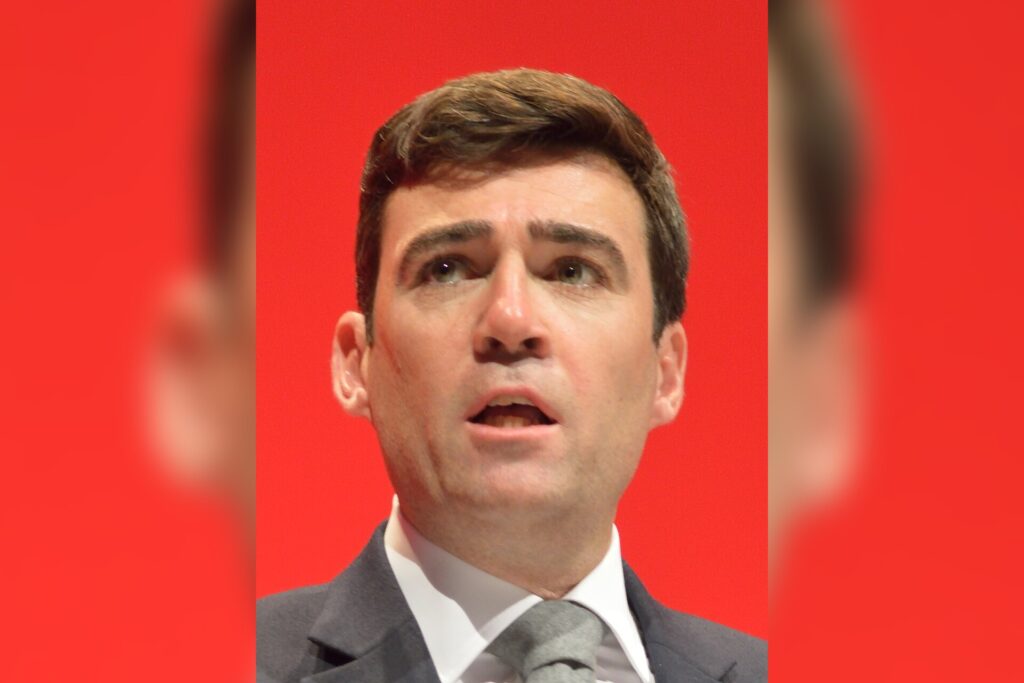
LONDON, June 19 — The Labour Party is looking to Andy Burnham as a potential solution to their struggles against populist movements, following his significant victory in the Makerfield by-election. This development comes as mainstream parties across the democratic world struggle to find an antidote to the rising tide of populist Left and Right movements. A sharp rise in support for Burnham has been observed, with his victory in Makerfield being a notable example.
He achieved a substantial lead over Reform UK, despite the constituency having voted strongly in favour of Brexit in the 2016 referendum. The lacklustre performance of the Reform candidate, as well as the presence of Restore, a further Right movement, likely contributed to Burnham’s success.
It’s hard to blame Labour for seeing Burnham as a potential saviour, given the current trajectory of politics. Many Labour MPs are at risk of losing their seats in the next election, and Burnham’s victory offers a glimmer of hope. However, it’s essential to separate the hype from reality and not view Burnham as a messiah figure.
His success in Makerfield, although significant, does not necessarily translate to a broader appeal or the ability to rescue Labour from its current struggles. The trend underneath Labour’s enthusiasm for Burnham is a desire for a charismatic leader who can take on the populist Right and win.
Watch this space, as the party’s attempts to replace Keir Starmer with Burnham could lead to a significant shift in their strategy. The fact that Burnham was able to perform well in a constituency that had previously voted strongly for Brexit and Reform UK suggests that he may have a unique appeal that could be leveraged in future elections. The shift is towards a more pragmatic approach, with Labour seeking to find a leader who can connect with voters and deliver results.
What’s changing is the party’s willingness to consider alternative leaders, with Burnham’s victory sparking a renewed sense of optimism. However, it remains to be seen whether this optimism is justified, and whether Burnham can truly deliver on his promise. A significant challenge for Labour will be to build on Burnham’s success and create a broader narrative that resonates with voters.
The party will need to navigate the complexities of British politics, where the populist Right remains a significant force. As the situation continues to unfold, it’s likely that Labour will face numerous challenges and setbacks.
The question is, can Burnham lead the party to success, or will his victory in Makerfield prove to be an isolated incident? As the Labour Party weighs its options and considers a potential leadership change, the trend underneath is one of uncertainty and flux. The party’s future is far from certain, and the outcome of their efforts to replace Keir Starmer with Burnham is still unclear.
One thing is certain, however: the next few months will be crucial in determining the direction of the Labour Party, and the success or failure of their efforts will have significant implications for British politics. Looking ahead, it’s essential to keep a close eye on the developments within the Labour Party and the broader political landscape.
The situation is fluid, and the outcome is far from certain. As the party navigates the challenges ahead, one thing is clear: the next few months will be pivotal in shaping the future of British politics. Watch this space, as the story continues to unfold.




