
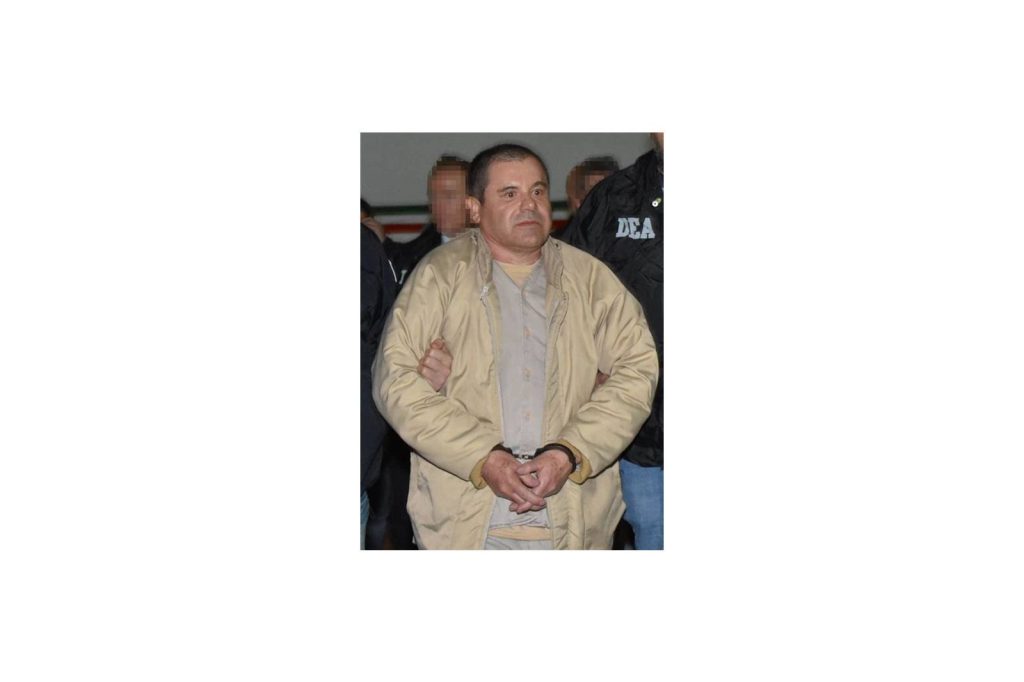
López Obrador Claims El Chapo Rivaled Presidential Authority
For years the rumor circulated in Mexico City cantinas and border‑town plazas that Joaquín ’El Chapo’ Guzmán exercised influence that reached into the highest levels of government. The story was treated as an open secret, whispered over drinks and shouted in the streets.
On January 2, 2020, President Andrés Manuel López Obrador broke the silence during a year‑end address. He stated plainly that the Sinaloa Cartel leader once held power that was equal to, or possibly greater than that of the presidency itself. He framed the assertion as the culmination of a long, documented pattern of corruption. The president traced the problem to a bribery network that, according to him, united senior officials in a conspiracy to shield Guzmán.
He argued that this pact enabled the drug lord to evade capture for years, facilitated his two escapes from maximum‑security prisons, and allowed his organization to move vast quantities of cocaine and heroin while authorities looked away. Central to the accusation is Genaro García Luna, who served as Mexico’s public security secretary under President Felipe Calderón from 2006 to 2012.
García Luna was the public face of the federal war on drugs and the official tasked with confronting El Chapo. United States authorities allege that he received millions of dollars in bribes from Guzmán, receiving protection, smuggling routes and operational freedom in return. López Obrador has chosen not to pursue legal action against former President Calderón.
Instead, he is urging U.S. investigators to probe deeper into the García Luna case. He presents this approach as a calculated move that lets his administration distance itself from the previous government without provoking a political confrontation he might lose.
By doing so, he positions himself as the figure who will expose the rot while avoiding direct conflict with the most prominent symbol of that era. The president’s remarks leave a fissure in the system that remains open. Although Guzmán is now confined to a U.S. supermax prison serving a life sentence, his network has not disappeared.
The bribery flows have not ceased, and the structures that once allowed a cartel boss to rival presidential authority persist, albeit less conspicuously. López Obrador frames his statement as a warning: the corruption was not isolated to a few bad actors but was systemic, reaching the top of the security apparatus.
Delivered at the start of a new year, the address functions as a reset, allowing him to define his government by what it opposes. He depicts his predecessors as weak, compromised and complicit, while casting himself as the leader who finally speaks the truth. He acknowledges that truth alone does not mend a fractured state.
The case against García Luna continues to unfold in U.S. courts, which will determine the full extent of the betrayal. Mexican citizens observe a slow‑moving reckoning, wondering whether the individuals who once granted El Chapo his power have truly been removed.
The president’s speech suggests that those enablers remain in the shadows, poised to lend their support to the next figure who can meet their price. Until that question is answered, the legacy of the cartel’s reach into government continues to shape the nation’s political landscape.




