KYIV, October 17 — Ukrainian President Volodymyr Zelensky has disclosed that Beijing issued what he described as a “harsh” response to Russian nuclear threats, marking what appears to be a notable shift in China’s posture toward Moscow’s escalation of rhetoric. Zelensky made the remark during a joint press conference in Kyiv with European Commission President Ursula von der Leyen on October 17, 2024.
He did not specify the exact wording or the channel through which China communicated its response, but characterized it as a significant departure from Beijing’s previous stance of studied neutrality. The disclosure came after repeated Russian nuclear saber-rattling since the February 2022 full-scale invasion of Ukraine.
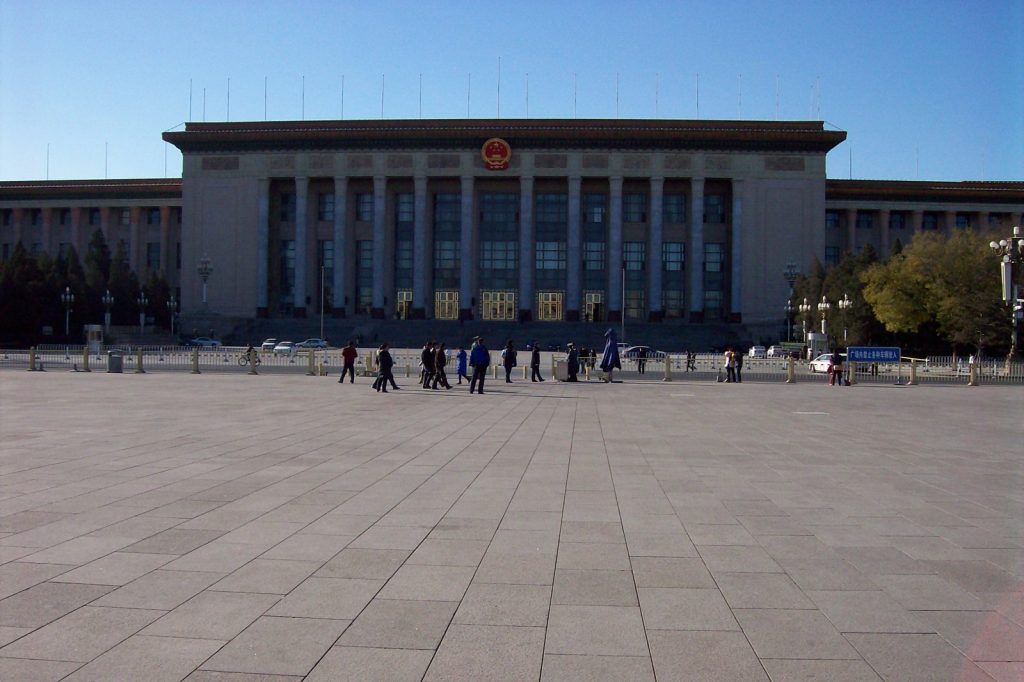
Those warnings intensified following Russian President Vladimir Putin’s September 2024 speech revising Russia’s nuclear doctrine, a move that raised alarm across Western capitals and prompted fresh warnings from the United States and NATO against any nuclear escalation. China has historically maintained a careful balancing act on the war in Ukraine, calling for de-escalation and respect for territorial integrity without directly condemning Russia. Beijing has positioned itself as a neutral party.
Zelensky’s statement suggests that pattern may be fraying. According to the Ukrainian president, China’s response to Russian nuclear threats represented the first time Beijing had reacted “harshly” to such provocations.
The remark implies that previous Russian nuclear signaling had not drawn similar pushback from China. As of October 17, 2024, China’s foreign ministry had not publicly confirmed or detailed the reported response. The lack of an official statement from Beijing leaves the precise nature and timing of the communication unclear.
The strategic context is significant. China’s relationship with Russia has deepened since the invasion. A harsher Chinese line on nuclear threats would mark a departure from that pattern.
For Ukraine, any shift in China’s stance carries potential diplomatic weight. Kyiv has sought to engage Beijing directly, urging it to use its influence with Moscow to de-escalate the conflict.
The United States and NATO have consistently warned Russia against nuclear escalation. Washington has also pressed Beijing to use its leverage with Moscow to discourage further escalation. Zelensky’s statement comes at a moment of heightened global concern over the trajectory of the war.
The nuclear dimension adds a layer of risk that has drawn attention from capitals worldwide. The European Commission president was in Kyiv for discussions on continued EU support for Ukraine, including financial aid and military assistance.
What remains to be seen is whether China’s reported harsh response represents a one-off communication or signals a broader recalibration of Beijing’s approach. Analysts will be watching for any subsequent Chinese statements or diplomatic moves that might clarify the record. For now, the key facts are these: Zelensky stated publicly that China responded harshly to Russian nuclear threats for the first time.
He did not provide specifics. China has not confirmed the report. The remark was made in Kyiv alongside the European Commission president.
And the broader context includes repeated Russian nuclear saber-rattling since February 2022, Putin’s September 2024 nuclear doctrine revision, and consistent Western warnings against escalation. The episode underscores the delicate diplomatic dance Beijing has maintained throughout the war — avoiding direct condemnation of Moscow while positioning itself as a potential mediator.
Whether that posture is shifting remains an open question, one with significant implications for the conflict’s trajectory.