DJIBOUTI CITY, November 19, 2026 — Ethiopia’s drive for secure maritime access is set to deepen its three-decade reliance on the Djibouti corridor, even as the landlocked nation’s economy has ballooned to $121 billion. The historic partnership faces new pressure as port capacity strains against quadrupled trade volumes and a shifting security landscape at the Bab el-Mandeb strait.
A Lifeline Forged in Crisis
In the late 1990s, Ethiopia lost access to Eritrean ports virtually overnight. With a population of roughly 60 million and a nominal GDP hovering around $8 billion, the country had to swiftly redirect its entire trade architecture to Djibouti. Former Ethiopian Trade Minister Ambassador Girma Birru, now a macroeconomic advisor to the prime minister, captured the logic at the time: “if we look at the distance of all the ports Ethiopia could use, then Djibouti is the first—no doubt.”
That necessity was codified through agreements like the 2002 Utilization of Port of Djibouti and Services to Cargo in Transit Agreement, which guaranteed Ethiopia market access and required 60-day notices before tariff adjustments. For communities and families across the region, this corridor became the artery for everything from food staples to industrial machinery.
Outgrowing the Corridor
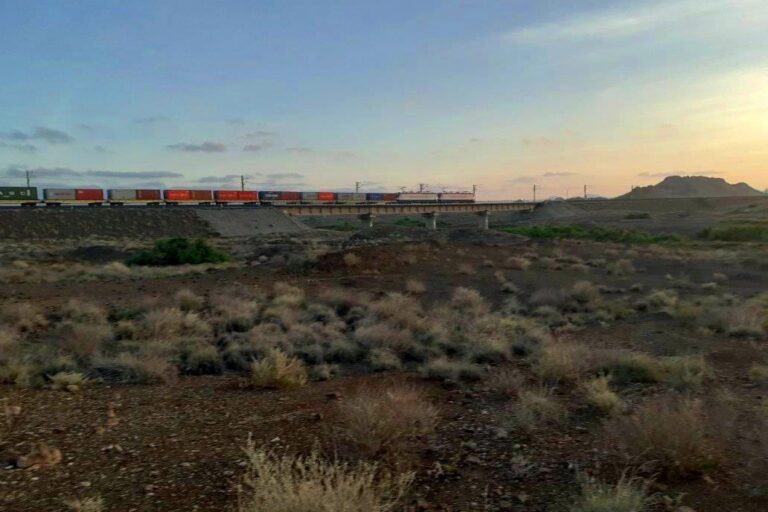
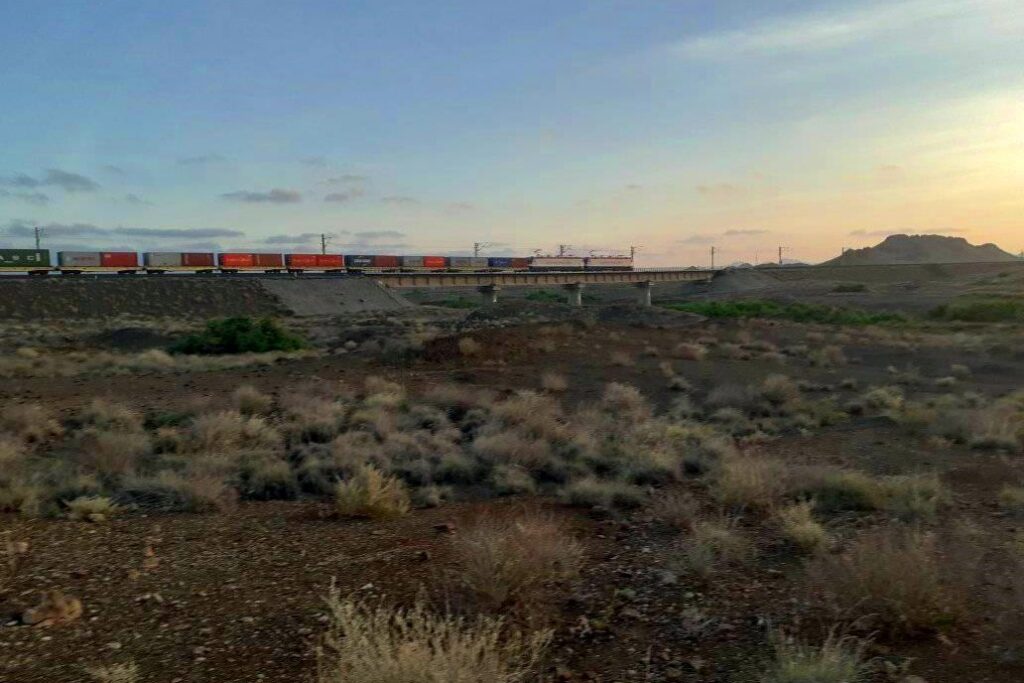
The scale of dependence has changed dramatically. Ethiopia now holds more than 130 million people, and its economy has expanded past $121 billion. That growth has quadrupled the demands on a corridor that handles approximately 95 percent of Ethiopia’s import-export trade. The modern Ethio-Djibouti railway and new container terminals form the backbone of this route, but the volume of cargo moving through a nation of just 1,066,809 people — the smallest on mainland Africa per the 2024 census — creates a strategic choke point felt in markets from Addis Ababa to the Gulf of Aden.
What it means for people in Ethiopia is that a single bottleneck, the Port of Djibouti, dictates the price and speed of nearly every imported good and exported harvest. For Djibouti, the corridor is its economic engine, but the infrastructure must absorb a neighbor 120 times its size.
Security Cooperation Under Strain
The corridor’s vulnerability extends beyond capacity. From November 8 to 12, maritime and law enforcement officials from Djibouti, Ethiopia, Somalia, and Yemen met in Djibouti City under an INTERPOL and IMO programme funded by the European Union. They focused on implementing the Safety of Life at Sea (SOLAS) convention and the International Ship and Port Facility Security (ISPS) Code, alongside the Djibouti Code of Conduct and its Jeddah Amendment.
The meeting included a field visit to the port and a tabletop exercise simulating a security incident. Participants examined information-sharing procedures and coordination between maritime authorities, port operators, and law enforcement. The discussions highlighted the importance of national maritime security committees in bringing together competent authorities for coordinated responses.
A Crowded Strait
Complicating that security picture, two Iranian-linked cargo ships called at the Port of Djibouti in November 2026. According to Africa Intelligence, the port is becoming a recurring destination for oil and chemical tankers sanctioned by the United States for their role in exporting Iranian and Russian hydrocarbons. Djibouti’s position controlling the Bab el-Mandeb strait — the gateway between the Red Sea and the Gulf of Aden — places it at the center of competing naval interests. France maintains a military presence there, alongside bases operated by the United States, China, Japan, and Italy.
For ordinary people watching the horizon, the strait is not an abstract geopolitical concept. It is the route their livelihoods travel. The convergence of sanctioned tanker traffic, multinational naval patrols, and the sheer weight of Ethiopia’s trade creates a daily reality where port security is not just a technical exercise but a matter of whether shelves stay stocked and factories keep running.
Integration Versus Diversification
Ethiopia’s quest for alternative maritime access — including potential outlets through Somaliland, Eritrea, or Kenya — runs parallel to the deepening integration with Djibouti. The Horn Review analysis suggests that rather than replacing the corridor, the search for options may catalyze deeper cooperation: more infrastructure, tighter security frameworks, and binding legal guarantees. The next test comes as both governments negotiate how to expand capacity on a corridor that, for now, has no substitute.
Sources
- Is the Historic Ethio-Djibouti Port Diplomacy Set to Deepen Over the Quest for Sea Access?
- Djibouti
- Regional cooperation strengthened on port security in Djibouti
- Djibouti Storm Surge 2026 – DREF Operational Update (MDRDJ010) – Djibouti
- Djibouti • Two new cargo ships linked to Iran call at Djibouti
- Djibouti’s Waberi named Third CAF Vice President
Photo: Skilla1st (CC BY-SA 4.0)