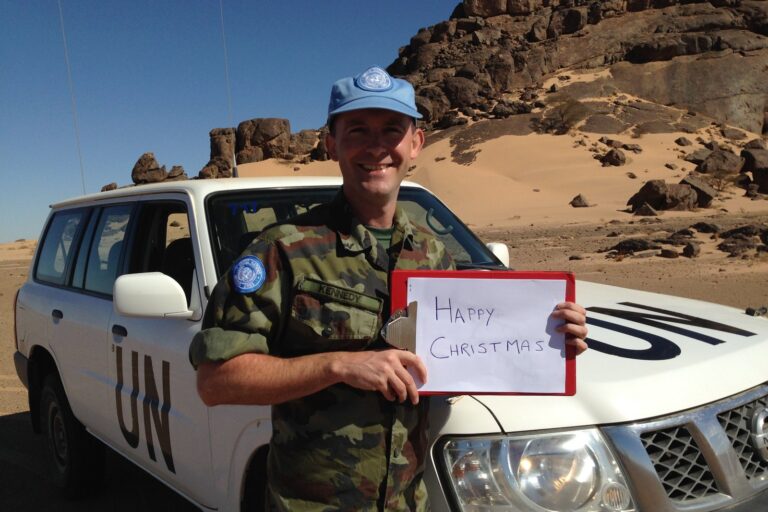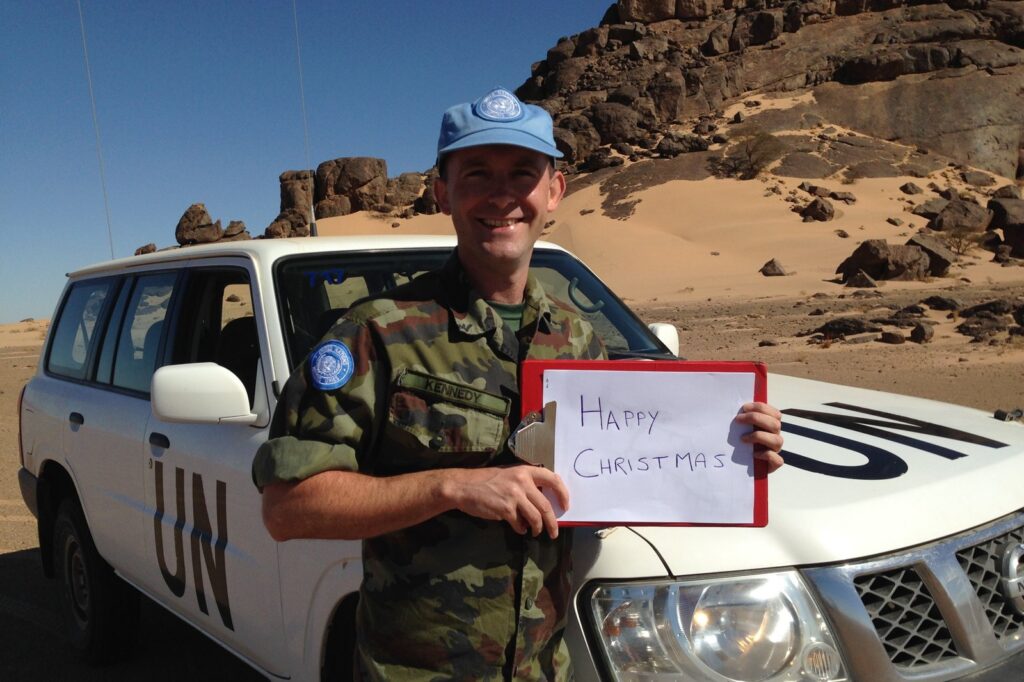
RABAT, November 18, 2026 — The United Nations peacekeeping mission in Western Sahara has begun withdrawing its personnel, ending 35 years of international mediation after a Security Council impasse. The departure leaves a dangerous security vacuum along the ceasefire line and around refugee camps, according to warnings from Nordic nations.
How the Mission Ended
The UN Security Council reached an impasse on October 30 after Russia vetoed a U.S.-drafted resolution to renew the mandate of the Mission for the Referendum in Western Sahara, known as MINURSO. A competing Russian proposal to extend the mission for another year without modification also failed, blocked by a U.S. veto. With neither resolution passing, the mandate lapsed on November 1, and UN personnel started leaving the region the same day.
Established in 1991, MINURSO was originally tasked with organizing a referendum on the territory’s future following a ceasefire between Morocco and the Polisario Front. That vote never took place. The mission’s withdrawal marks the end of a decades-long pursuit of a referendum on self-determination for the Sahrawi people.
Warnings of a Security Vacuum
Nordic countries — Denmark, Iceland, Norway, Sweden, and Finland — warned that the abrupt termination could create a dangerous security vacuum and undermine regional stability. Speaking on behalf of the group at the UN General Assembly on November 10, Finland said a disorderly withdrawal could undermine confidence in the UN’s peacekeeping mechanisms. The Nordic nations called on the parties to respect the ceasefire and exercise restraint to prevent further escalation.
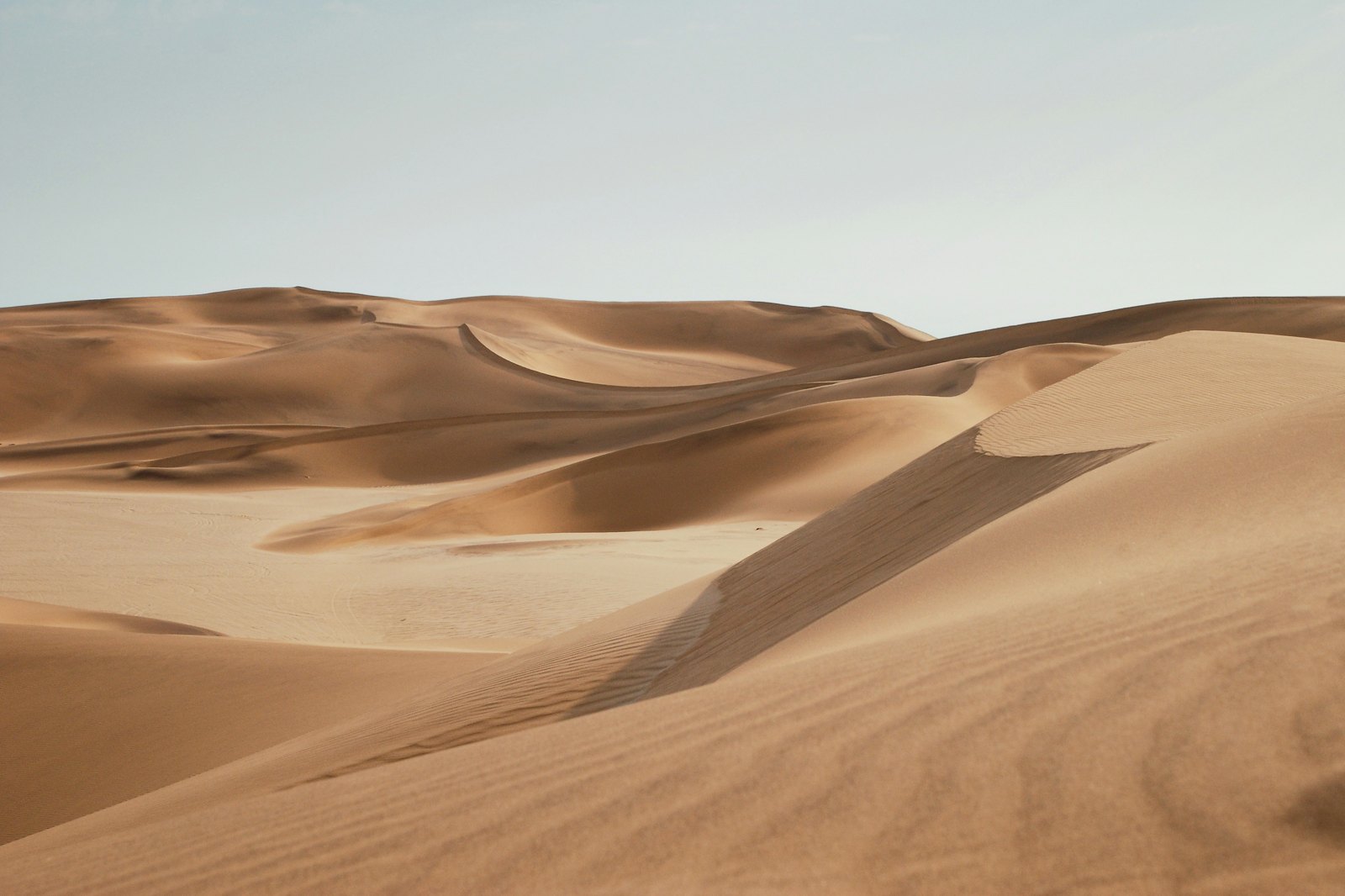
The warning reflects what it means for people living near the berm, the sand wall that acts as a de facto border. Without international observers on the ground, families across the region lose a critical buffer that has helped monitor violations and prevent accidental clashes for over three decades.
Morocco Moves Forward With Autonomy Plan
Morocco has signaled it will press ahead with its autonomy proposal regardless of whether other parties agree. Sidi Hamdi Ould Errachid, president of the Laâyoune–Sakia El Hamra Regional Council, told Fox News Digital that the kingdom remains open to negotiations but intends to continue implementing the plan on the ground. The proposal would grant Sahrawis full autonomy to manage their own affairs, except for the monarchy, the flag, currency, armed forces, and foreign affairs.
The United States recognized Moroccan sovereignty over Western Sahara in December 2020, a position reaffirmed by the Trump administration in July 2026. In October 2025, the UN Security Council adopted Resolution 2797, establishing Morocco’s autonomy proposal as the basis for negotiations while maintaining the goal of a mutually acceptable political solution providing for Sahrawi self-determination.
U.S. Diplomatic Push Intensifies
U.S. Ambassador to the UN Mike Waltz visited Rabat on November 17, where he reaffirmed Washington’s backing for Moroccan sovereignty and the autonomy plan. Meeting with Moroccan Foreign Minister Nasser Bourita, Waltz warned that a return to fighting would prolong the suffering of another generation. He called on the Polisario Front to uphold the ceasefire and described the moment as an opportunity for renewed diplomacy.
Waltz said recent discussions involving Morocco, Algeria, Mauritania, and the Polisario Front have addressed autonomy, local governance, natural resources, and a possible transitional period. The U.S. position, established in 2020 alongside Morocco’s agreement to normalize relations with Israel, remains contested by the Polisario Front and Algeria.
Polisario Mobilizes as Tensions Rise
The Polisario Front, which seeks fully recognized independence for Western Sahara, has engaged in long-standing campaigns against Morocco. Following the Security Council vote, the movement issued a call for the emergency mobilization of the Sahrawi people and armed forces on November 10. Supporters held protests in the Tindouf refugee camps in Algeria and in European cities such as Bilbao, while small groups in Moroccan-controlled cities risked arrest with spontaneous demonstrations.
The conflict originated from an insurgency against Spanish colonial forces from 1973 to 1975 and the subsequent Western Sahara War. A 1991 ceasefire has held in fits and starts, but the promised referendum never materialized. With MINURSO gone, the berm and the refugee camps now sit without the international monitoring mechanism that has kept a fragile peace for 35 years.
Sources
- Western Sahara conflict
- After UN peacekeeping mission ends, Morocco says Western Sahara dispute enters new phase
- War looms as U.S. kills 35 years of UN mediation in Western Sahara
- Western Sahara after Mike Waltz’s visit to Morocco: Has Washington begun to redefine the rules for resolving the conflict?
- Nordic countries support political solution guaranteeing Sahrawi people's right to self-determination, warn against abrupt termination of MINURSO | Sahara Press Service (SPS)
- Africa's 6th strongest military gets US backing to secure strategic Western Sahara as tensions rise with Algeria-backed breakaway movement
Photo: Óglaigh na hÉireann (CC BY 2.0)